Thinking about moving your family to Miami and torn between Coconut Grove and Coral Gables? You are not alone. Both neighborhoods offer beautiful homes, strong community identity and easy access to the city’s best culture and outdoors. In this guide, you will learn how the two areas compare on schools, housing, commutes and everyday lifestyle, plus a practical checklist to help you choose with confidence. Let’s dive in.
Quick take: Grove vs. Gables
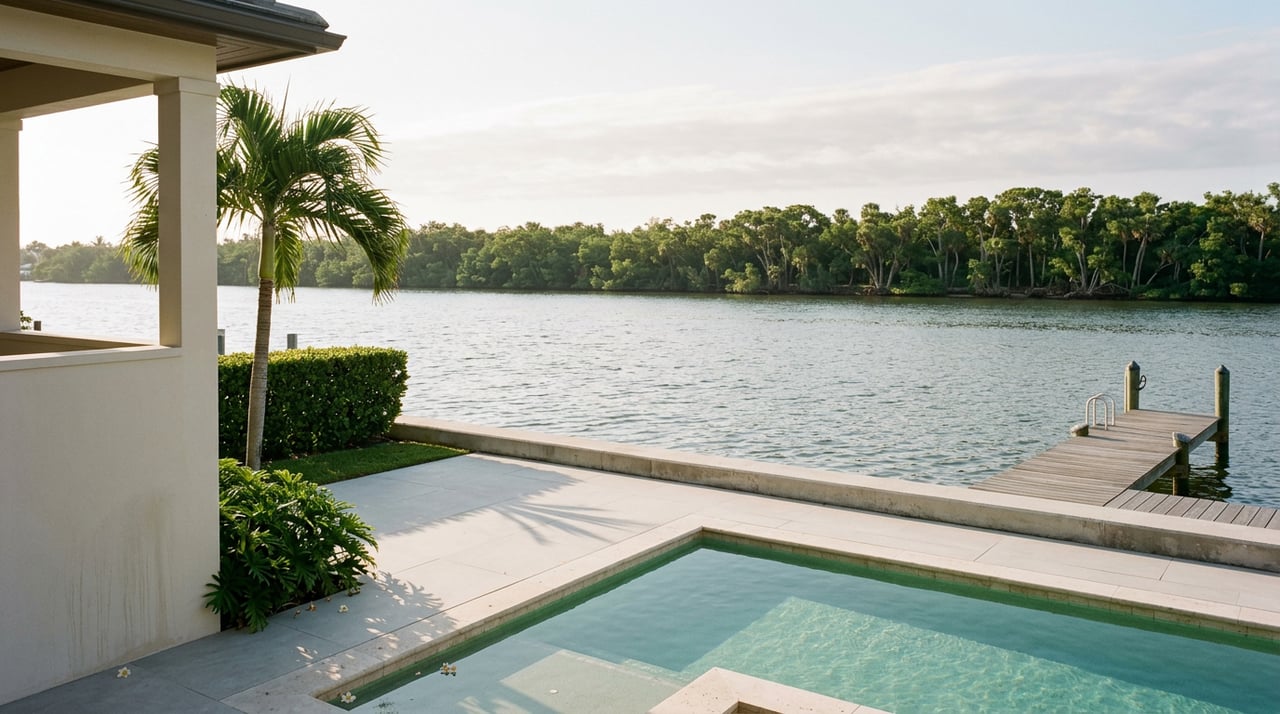
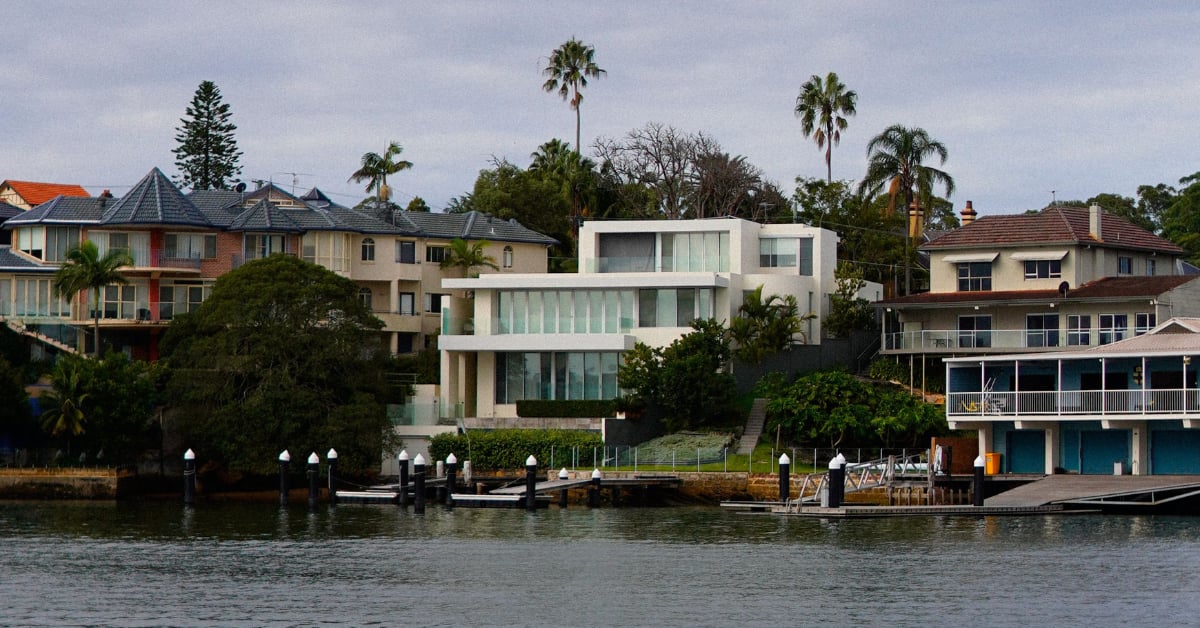
Coconut Grove gives you a leafy, bayside village with marinas, parks and a relaxed, artsy feel. You will find a mix of waterfront estates, mid‑century homes, bungalows and condos near the village core.
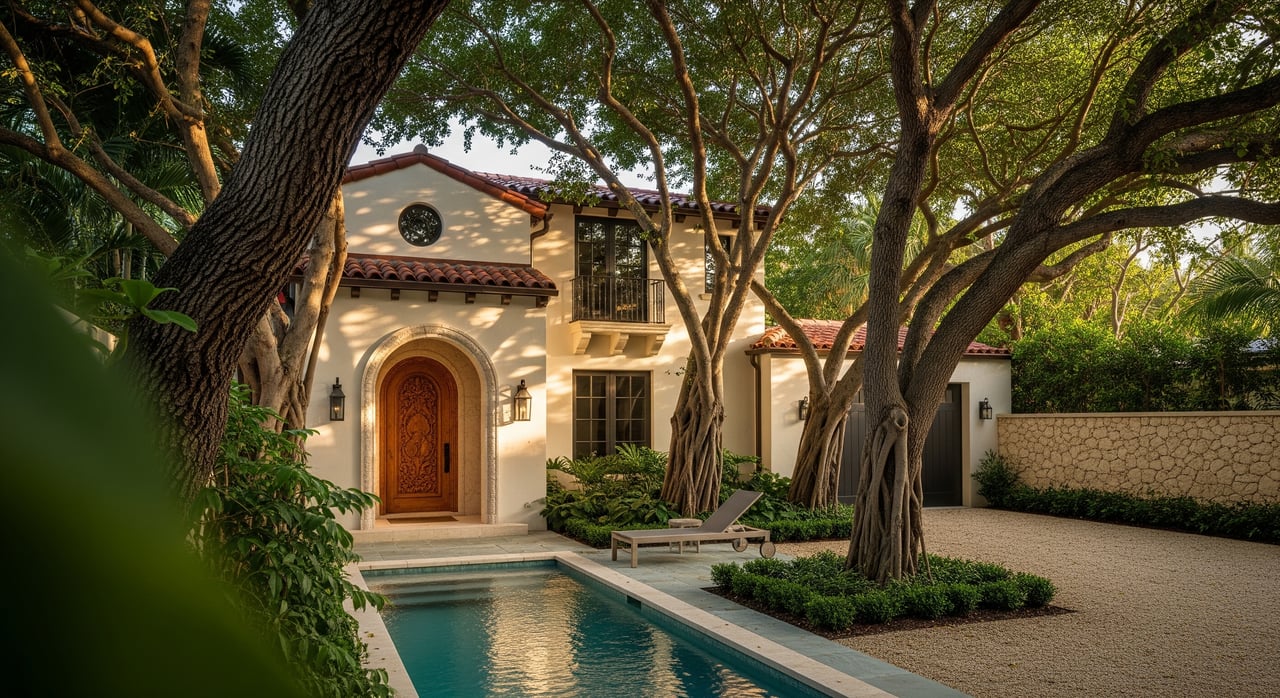
Coral Gables is an independent city with formal planning, Mediterranean‑influenced architecture, large lots and a polished streetscape tied to institutions like the University of Miami. It often feels more traditional and planned.
Here is a simple way to decide what fits you best:
- Choose Coconut Grove if you want immediate waterfront access, a pedestrian‑friendly village and diverse housing choices.
- Choose Coral Gables if you value large historic lots, uniform architecture, municipal stability and close ties to university and cultural institutions.
- For schools, verify exact public school zones and private school availability for each address. The right fit depends on programs and openings.
- For any property, check flood risk, insurance costs and actual commute times during your daily schedule.
How to choose: Family priorities checklist
Use this quick checklist to frame your search:
- Lifestyle: Do you want a walkable village with parks and marinas, or a more formal streetscape near a university and museums?
- Housing: Are you seeking a wider mix of condos and single‑family options, or a focus on large‑lot single‑family homes with historic character?
- Schools: Which public zones and private campuses align with your child’s needs? Confirm zoning, deadlines and seat availability.
- Commute: Test your drive to Brickell, Downtown and airport at peak times that match your day.
- Risk and cost: Review flood zones, elevation, and insurance quotes early. Include HOA or condo assessments if applicable.
- Renovation plans: Understand permitting timelines and historic review for each city before you buy.
Schools: What to know
Both Coconut Grove and Coral Gables are served by Miami‑Dade County Public Schools. Zones are address‑specific and can change, so you should confirm current zoning for any property using the M‑DCPS school zone tools. Public school options include neighborhood schools plus magnet or specialized programs within the county.
Private schools are available across both areas, with selective admissions and lead times. If you are relocating internationally, start early and gather the required documentation.
The University of Miami in Coral Gables is a significant local asset. Families often use university programs for culture, sports, continuing education and youth camps. Explore opportunities through the University of Miami.
Public schools: Verify the details
- Confirm your exact zone through the M‑DCPS site.
- Review current ratings and improvement plans. Consider visiting open houses and speaking with school administrators about programs and waitlists.
- Track magnet and charter application deadlines if those programs interest your family.
Private schools: Plan ahead
- Begin applications early, especially for competitive grades.
- Ask about capacity, transportation, and how they support international families if that applies.
- Map drive times from candidate homes to morning drop‑off, since small village streets in Coconut Grove can get busy at peak hours. Coral Gables often uses dedicated school loops, though main roads still back up at rush hour.
Enrichment and camps
- Coconut Grove leans into water and park life, with sailing, marinas and open‑air activities.
- Coral Gables offers formal parks, a historic public pool and programs connected to institutions.
- Both neighborhoods support strong after‑school and weekend activities for kids.
Housing, character and rules
You will see a clear difference in architecture and regulatory approach between the two areas.
Coconut Grove: Variety and village life
- Product mix spans historic bungalows, mid‑century homes, Caribbean/Key‑West styles, waterfront estates and numerous condos near the bay.
- Streets are lush and winding, with a village center of shops and cafés.
- The Grove sits within the City of Miami, which includes historic districts and planning overlays. If you plan a remodel, review the City of Miami historic preservation resources.
Coral Gables: Historic scale and cohesion
- Expect Mediterranean Revival and related historic styles, broad boulevards and many large single‑family lots.
- The city emphasizes cohesive architecture and landscape design.
- Coral Gables is an incorporated city with its own processes for zoning, historic preservation and design review. Start with the City of Coral Gables planning and zoning resources when evaluating renovations or new construction.
Price and inventory
Both neighborhoods are high‑value markets. Coral Gables often commands premiums for large lots and architecturally significant homes. Coconut Grove offers top‑tier waterfront estates alongside more flexible entry points, including condos and smaller single‑family homes. Always review recent comparable sales and current inventory when you are ready to make a move.
Flood risk, elevation and insurance
These are bayside and near‑coastal areas, so flood risk, elevation and resiliency matter. Many Grove parcels sit close to the shoreline, while the Gables has inland and lower‑lying pockets with stormwater concerns.
- Check the FEMA Flood Map Service Center for the latest flood zones.
- Request any available elevation certificates and obtain current flood and wind insurance quotes early. These costs can affect your monthly budget.
- Newer construction may carry elevation and resilience requirements. Older homes may need mitigation steps such as elevating utilities.
Commute and transportation
Both neighborhoods offer practical access to Brickell and Downtown. Off‑peak, you can often reach central business districts in about 10 to 25 minutes from either area. At peak times, plan for longer trips and test your route from the exact address. Miami International Airport is typically 15 to 30 minutes away depending on traffic.
Public transit options include local bus routes, municipal trolley services and nearby Metrorail stations. Coverage varies by street, so review routes in advance with Miami‑Dade Transit. For daily life, you will find walkable cores in both areas: the Grove’s village is pedestrian‑friendly for errands and cafés, while Coral Gables features Miracle Mile and Giralda Avenue for dining and shopping.
Driving patterns to note:
- US‑1 and main corridors like Coral Way and Ponce de Leon influence travel times.
- Small village streets in the Grove can clog during school drop‑off and pickup.
- Major arteries in the Gables also back up at peak times, even when schools have dedicated loops.
Day‑to‑day lifestyle
Parks and recreation
- Coconut Grove centers on water and green space. Families enjoy parks, marinas, sailing programs and frequent open‑air events.
- Coral Gables offers formal parks, botanical attractions and historic recreational sites. Golf and cultural programming are common.
Culture, dining and shopping
- Coconut Grove features boutiques, cafés, galleries and a weekend market atmosphere. Social life often spills outdoors.
- Coral Gables offers curated retail and dining along main corridors and museum and arts programming tied to local institutions.
Safety and neighborhood feel
Both areas are considered relatively safe compared with many urban cores, but conditions vary street by street. You should review local police resources, observe lighting and sidewalks, and walk potential school routes. Visit at different times of day to understand traffic, parking and noise.
Cost of ownership and international notes
Beyond your purchase price, factor in property taxes, insurance and any HOA or condo assessments. Waterfront and low‑lying parcels commonly carry higher insurance premiums, so it is wise to obtain quotes on target addresses during your search.
International buyers can purchase in Florida. Financing options vary by lender and profile, and many international buyers either work with local lenders or purchase with cash. Use trusted local real estate attorneys for title and closing, and consult tax and immigration advisors for cross‑border issues that may apply to your situation. For property tax research, the Miami‑Dade County Property Appraiser is a useful reference.
Try‑before‑you‑buy checklist
Before you make an offer, complete these steps:
- Confirm public school zoning for the exact address on the M‑DCPS site, and review deadlines for magnet or charter programs.
- For private schools, verify capacity, admissions timelines and transportation.
- Pull recent comparable sales for the last 6 to 12 months and study inventory.
- Check flood zone, request an elevation certificate and obtain flood and wind insurance quotes.
- Review municipal rules: Coral Gables historic and design review vs. City of Miami overlays for the Grove.
- If applicable, read HOA or condo budgets, reserves and recent meeting minutes.
- Test your commute during school drop‑off and your typical work window.
- Visit the block in the morning, afternoon and evening to assess traffic, noise and walkability.
Ready to compare specific streets, school zones and lot types side by side? Reach out for a private, address‑level analysis and discreet tours. Connect with Olivier Brion to start a plan tailored to your family and timeline.
FAQs
What is the key difference for families between Coconut Grove and Coral Gables?
- Coconut Grove offers a bayside village feel with diverse housing and park‑to‑marina access, while Coral Gables emphasizes large lots, uniform historic character and municipal stability.
How do I verify my child’s public school assignment in Miami‑Dade?
- Use the M‑DCPS school zone tools to confirm the current zone for a specific address and review magnet and program deadlines.
What commute times should I expect to Brickell or Downtown from these areas?
- Off‑peak, many addresses reach Brickell or Downtown in about 10 to 25 minutes, but peak traffic can lengthen trips, so test your exact route during your typical schedule.
How can I compare flood risk and insurance costs for different homes?
- Check flood zones on the FEMA Flood Map Service Center, request elevation certificates and obtain quotes for flood and wind insurance for each property.
Do international buyers face special steps when purchasing in Coconut Grove or Coral Gables?
- Yes, financing terms and documentation vary; many international buyers use local lenders or cash, and you should work with a local real estate attorney and tax advisors for cross‑border compliance.
From the M Group journal archive. Market figures, events and property details reflect the original article.
Original publication ↗