Is Art Basel week really a moment to make a real estate move in Miami Beach, or is it just great buzz? If you are a seller weighing timing or an international buyer planning a visit, the stakes feel high. You want clear, practical guidance on what actually changes during the fair and how to position for the best outcome. This guide breaks down the real dynamics, so you can move with confidence. Let’s dive in.
Art Basel’s footprint and why it matters
Art Basel in Miami Beach is an internationally attended contemporary art fair held each December. The week draws high‑net‑worth and ultra‑high‑net‑worth visitors, many traveling with advisors and working on tight schedules. That audience overlaps with the luxury condo and single‑family markets across South Beach and Mid‑Beach, where private events and hospitality concentrate.
Miami real estate already has strong late‑fall and early‑winter seasonality. Snowbird travel, year‑end planning, and lifestyle migration all increase activity. Art Basel sits squarely inside that window. Think of the fair as an amplifier that concentrates attention and access, not as a force that resets the entire market.
What typically changes during fair week
Buyer traffic and lead quality
High‑end listings often see a jump in qualified showings because many serious buyers are in town. Visitors tend to be well prepared, and conversion from showing to serious inquiry can improve. Some buyers preview multiple properties during the week, then make decisions weeks or months later. Local cash buyers may move faster.
Listing timing and marketing tactics
Many sellers bring new luxury listings to market 2 to 6 weeks before Art Basel to build digital momentum and book VIP showings. Others delay if they prefer privacy or want to avoid the distractions of event logistics. Photography, staging, and content are usually completed ahead of the fair, so marketing is ready when the audience arrives.
Private showings and event integration
Expect more broker opens and invite‑only appointments tied to gallery nights or brand activations. For high‑profile showings, security and guest vetting may be part of the plan. Schedules can be tight, so precise coordination helps you avoid the busiest event hours.
Faster offer windows, standard closings
In‑person buyers sometimes push faster initial timelines. Offers can be prepared on site, and sellers may prioritize clean, non‑contingent terms. Even so, inspections, financing steps, and international logistics typically keep closings within standard windows.
Caveats and concentration
The intensity varies year to year and by neighborhood. South Beach, Mid‑Beach luxury towers, and waterfront islands often feel the lift more than inland or lower‑price areas. Macro conditions and travel patterns shape how strong the effect feels in any given year.
Pricing and negotiation dynamics
Price signals vs short‑term premiums
The fair rarely triggers broad, immediate price jumps. Instead, it accelerates interest in homes already priced competitively. Occasional premiums can occur for rare trophy properties shown to the right buyer, but those moments are episodic, not market‑wide.
Leverage and speed during the fair
Sellers may see improved leverage when multiple qualified buyers are in town at once. That can lead to condensed offer timelines and preference for strong terms. Buyers who can act immediately sometimes gain an edge, though they also face more competition for standout listings.
Cash, financing, and international purchasers
Cash offers are common during the week and can shorten timelines. Financed buyers still win when they provide clear documentation and credible pre‑approval. For international buyers, cross‑border steps such as currency transfer or counsel coordination can influence timing and terms.
Appraisals and comps do not reset overnight
Appraisals are based on comparable sales. A one‑week spike in interest does not change valuation unless it results in completed sales at higher prices. Underwriters and appraisers look at several months of data, not a single event week.
Strategy for sellers: how to time and present
When to list for maximum impact
- List 2 to 6 weeks before Art Basel if you want broad exposure and VIP showings during the fair.
- If privacy is paramount, consider listing after the event or using strictly vetted, by‑appointment showings during the week.
Pricing and preparation that convert
- Set a realistic price based on recent comparables. The fair amplifies demand for properly priced homes, not for wishful thinking.
- Complete staging, photography, and video before late November. Maintain a show‑ready state throughout the week.
Showings, security, and access
- Pre‑approve showings with proof‑of‑funds requirements when appropriate.
- Coordinate staff, parking, and building access to avoid peak traffic times.
- For high‑profile properties, plan for discreet VIP protocols and guest tracking.
Offer terms and logistics
- Be prepared to evaluate shorter escrows, stronger proof of funds, and clear international closing mechanics.
- Do not assume you must accept waived protections. Well structured earnest money and clean timelines often deliver similar certainty.
Seller checklist
- Pricing validated by fresh comps and market notes.
- Staging, photography, and video completed pre‑event.
- VIP showing calendar and broker outreach list set.
- Proof‑of‑funds requirements and offer instructions ready.
- Closing team lined up, including title and escrow.
Strategy for international buyers: plan to win
Plan your visit and showings
- Combine art fair access with focused property tours scheduled outside peak event hours.
- Build a short list in advance and allow time for second looks.
Be offer‑ready
- Have proof of funds and identification documents organized.
- If financing, secure a credible pre‑approval and understand appraisal timelines.
Negotiate with precision
- Use quick‑close or flexible escrow terms rather than waiving essential inspections.
- Consider earnest money structure or escalation language where appropriate.
Post‑event follow‑up
- Many buyers initiate offers after returning home. Keep communication open with the listing team and request updated disclosures or comps as needed.
Legal and tax considerations
- Coordinate early with cross‑border advisors on currency planning and U.S. tax matters.
- Clarify title, escrow, and wire procedures before submitting an offer.
Buyer checklist
- Local buyer’s agent retained and briefed.
- Proof of funds and financing plan ready.
- Inspection strategy defined, including specialists for waterfront or condo due diligence.
- Counsel engaged for international structure and tax.
Where the impact is most visible
- South Beach and Mid‑Beach luxury condo towers often see heavier showing schedules and brand‑adjacent activations.
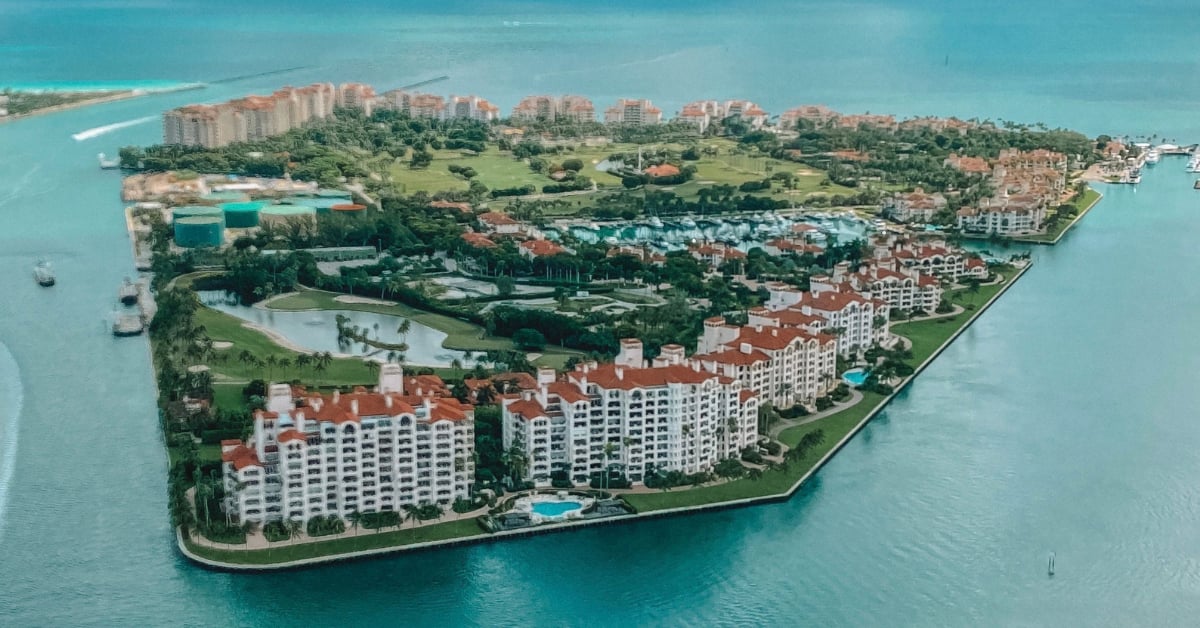
- Waterfront estates on islands such as Sunset Islands attract concentrated VIP attention.
- Inland or lower‑price segments tend to feel less of a surge.
What not to expect
- A systemic price jump across Miami Beach strictly because of one week.
- Appraisals or underwriters changing standards due to event buzz.
- Smooth scheduling without planning. Traffic, hotel occupancy, and calendar conflicts require proactive coordination.
Sample timelines
Seller timeline for an exposure‑first strategy
- 6 weeks out: finalize pricing, staging, photography, and video.
- 4 weeks out: launch digital marketing, broker outreach, and private previews.
- 1 to 2 weeks out: confirm VIP showings and access protocols.
- Fair week: execute tightly scheduled showings, track interest, and prepare for rapid offer evaluation.
- Post‑event: follow up with qualified buyers, refine counter strategies, and manage inspections.
Buyer timeline for decisive action
- 4 weeks out: align financing or funds, retain a local agent, and build your short list.
- 2 weeks out: schedule tours and request disclosures in advance.
- Fair week: tour outside peak hours, prepare offer terms, and line up inspectors.
- Post‑event: submit offers or continue diligence with updated comps and HOA documents.
The bottom line
Art Basel is a powerful accelerator for visibility and access in Miami Beach. It can bring more qualified eyes to the right homes and create compressed windows for action. Pricing, appraisals, and long‑term trends still follow fundamentals, but the fair can be the spark that moves the best positioned properties over the finish line.
If you want a tailored plan for your goals, connect with a team that blends local authority with discreet distribution, multilingual reach, and polished execution. To discuss a private strategy or request a confidential valuation, reach out to Olivier Brion.
FAQs
Does Art Basel raise Miami Beach home prices across the board?
- No. It can accelerate interest in well‑priced listings and occasionally create premiums for rare trophy properties, but broad pricing is driven by fundamentals and seasonal patterns.
Should I list my Miami Beach home during Art Basel?
- If you want maximum exposure, list 2 to 6 weeks before the fair and leverage VIP showings. If you value privacy, consider listing after the event or strictly by appointment during the week.
How fast can a deal close if I make an offer during Art Basel week?
- Offers can be submitted immediately and sellers may favor quick timelines, but inspections, financing, and international logistics usually keep closings within standard windows.
Are certain Miami Beach areas more affected by the fair?
- Yes. South Beach, Mid‑Beach luxury towers, and waterfront islands often see more activity than inland or lower‑price segments during fair week.
As an international buyer visiting for Art Basel, what should I prepare?
- Organize proof of funds, engage a local agent, line up cross‑border counsel, and schedule tours outside peak hours. Plan currency transfers and wire procedures early.
Does Art Basel influence appraisals or financing outcomes?
- Not directly. Appraisals rely on recent comparable sales. Event‑week buzz does not override valuation standards unless followed by closed sales at higher prices.
From the M Group journal archive. Market figures, events and property details reflect the original article.
Original publication ↗