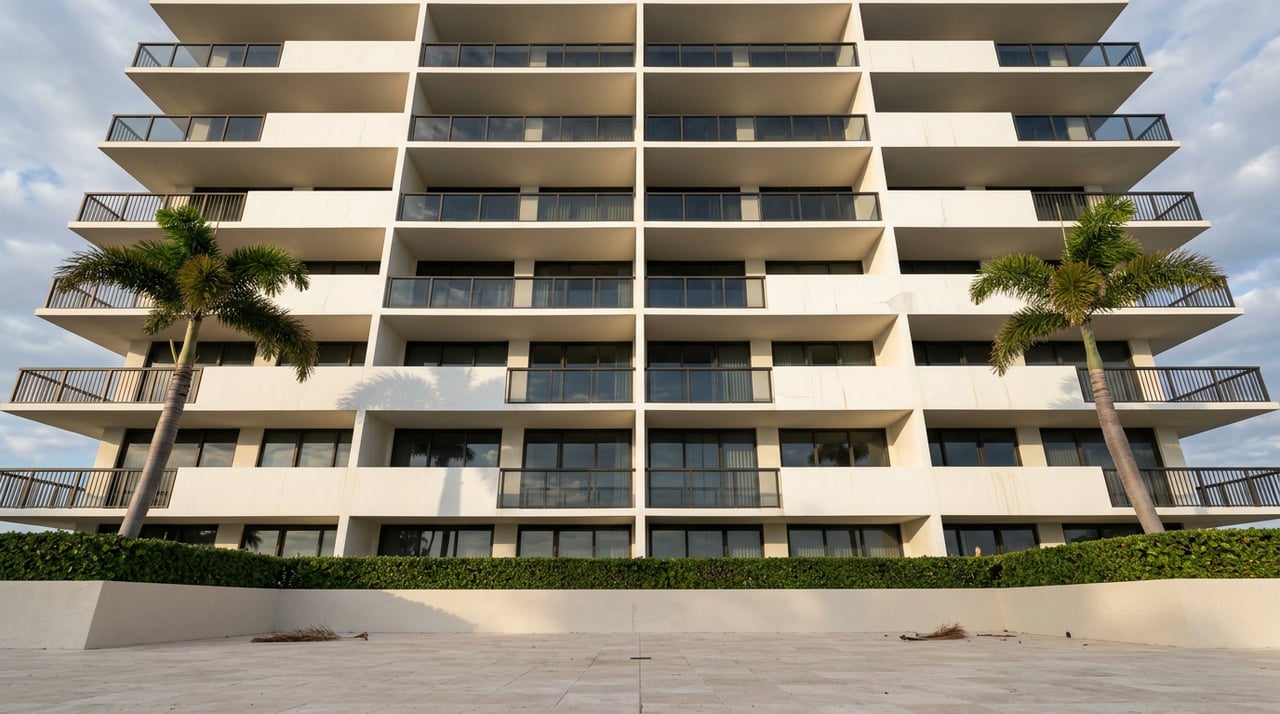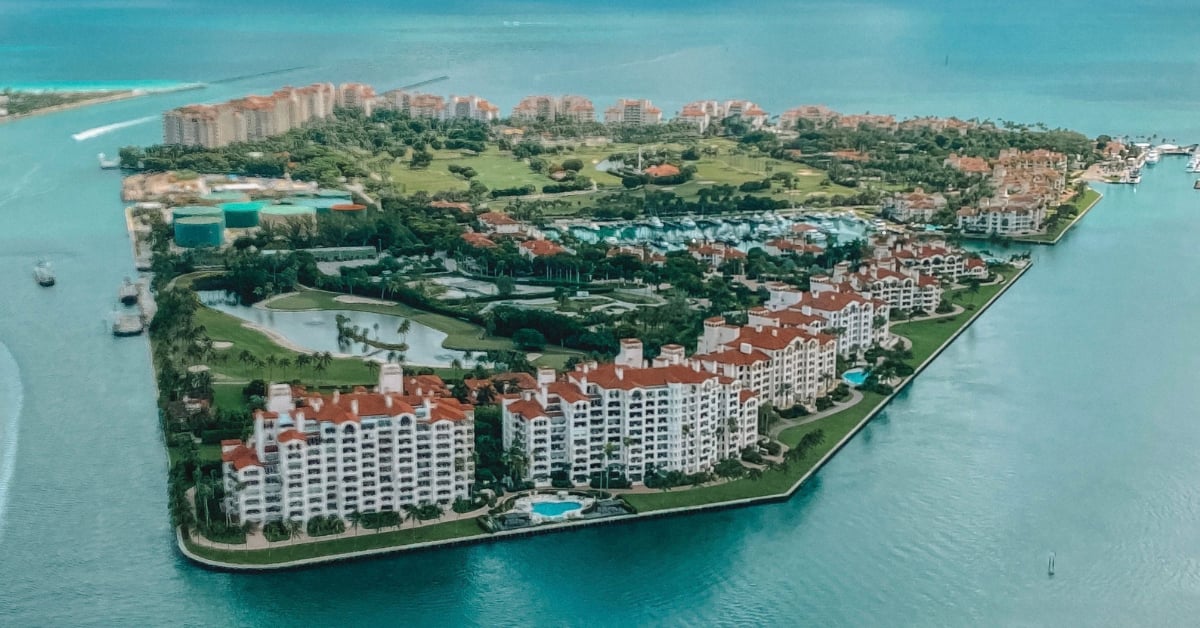

In Miami and Miami Beach, some of the most distinctive homes share one defining feature: a connection to the water. Whether overlooking Biscayne Bay, offering private boating access, or sitting along a coveted stretch of coastline, waterfront properties provide something that cannot easily be recreated elsewhere — a specific location paired with a distinctive way of living.
For luxury buyers, that combination can make waterfront real estate particularly appealing. But what helps these properties maintain their value over time?
The answer goes beyond the view. Location, limited supply, property features, buyer demand, and the cost of maintaining a coastal home can all influence its long-term appeal. Understanding these factors helps buyers look beyond the immediate lifestyle benefits and make more informed real estate decisions.
What the 2026 Miami Market Tells Us
Miami's luxury real estate market continues to attract attention, particularly in the single-family home segment. Recent market reports and notable waterfront transactions offer useful context for understanding buyer activity.
According to Corcoran's Miami Beaches & Coastal Mainland Market Report for the Third Quarter of 2026, Miami Beaches single-family home sales increased 20% year over year to 95 closings. The median sale price rose 17% to $3.3 million, while single-family inventory declined 27%.
The luxury waterfront market has also seen notable individual transactions. In August 2026, The Wall Street Journal reported the sale of a waterfront home on Hibiscus Island in Miami Beach for $51.5 million, setting a reported record for the community at the time.
These examples illustrate activity in Miami's broader luxury housing market and the potential demand for exceptional waterfront properties. However, neither the general single-family statistics nor one high-value sale proves that all waterfront homes appreciate over time. Each property has its own market position, and results vary by location, condition, features, and buyer demand.
For buyers considering waterfront real estate, understanding those differences is an important starting point.
Sources: Corcoran — Miami Beaches & Coastal Mainland Market Report, Q3 2026 and The Wall Street Journal — Hibiscus Island Waterfront Sale.
1. Limited Locations Can Make Waterfront Properties Distinctive
One of the defining characteristics of waterfront real estate is that its location cannot easily be replicated.
In established Miami Beach neighborhoods, the supply of existing oceanfront and bayfront sites is inherently limited. While homes can be renovated or rebuilt, new construction cannot simply recreate an existing property's exact position along the water.
This scarcity can contribute to the appeal of properties with desirable frontage, unobstructed views, privacy, and convenient access to the water. In neighborhoods such as the Venetian Islands, Sunset Islands, and Palm Island, these features can distinguish one property from another.
Still, limited supply does not guarantee appreciation. Property values remain influenced by market conditions, buyer demand, financing costs, and the specific characteristics of each home.
For buyers, the opportunity lies in understanding what makes a particular location desirable and how its features compare with other available properties.
2. A Lifestyle That Continues to Attract Buyers
For many luxury buyers, waterfront living is about how a property complements everyday life.
A private dock can provide convenient boating access, while a bayfront terrace creates a setting for entertaining and enjoying the outdoors. Expansive water views can also bring a sense of openness that is difficult to replicate in many inland properties.
These lifestyle features can make waterfront homes appealing to buyers seeking a primary residence, a second home, or a property that reflects their personal interests.
The appeal of Biscayne Bay also has measurable economic significance. A 2023 economic study commissioned by Miami-Dade County and the South Florida Water Management District estimated that the bay contributed approximately $7.9 billion to residential property market values in Miami-Dade County, based on 2021 values.
This finding highlights the importance of the bay to the surrounding residential market. It does not mean that every waterfront property will increase in value or outperform inland homes, but it reinforces the role that the bay's environmental and recreational benefits play in the region.
Source: Miami-Dade County — Biscayne Bay Economic Study.
3. Property Features Can Make a Meaningful Difference
Not all waterfront properties offer the same advantages. Even within the same neighborhood, differences in frontage, views, lot size, and water access can influence a home's appeal and market value.
When evaluating waterfront real estate in Miami and Miami Beach, buyers should consider several important features:
- Water frontage and views: Direct oceanfront, bayfront, and canal-front properties offer different settings and experiences.
- Boating access: Dock availability, water depth, bridge clearance, and navigability can be important for buyers who own boats.
- Lot size and privacy: Larger lots, thoughtful landscaping, and separation from neighboring properties may enhance a home's appeal.
- Architecture and condition: Quality construction, considered design, and well-maintained interiors and exteriors can help a property remain competitive.
- Outdoor living: Pools, terraces, and thoughtfully designed entertaining areas complement South Florida's climate.
The right combination depends on the property's location and the preferences of potential buyers. For someone who regularly boats, dock access may be a priority. For another buyer, privacy and unobstructed views may matter more.
These differences are why waterfront homes should be evaluated individually rather than grouped together simply because they sit beside the water.
4. Maintenance and Coastal Resilience Matter
A desirable location can distinguish a property, but maintaining the home is equally important to its long-term appeal.
South Florida's coastal environment presents specific challenges. Salt air, humidity, intense sunlight, heavy rainfall, and tropical storms can affect exterior finishes, metal components, roofing, windows, and mechanical systems over time.
Regular inspections and appropriate maintenance can help owners identify issues before they become more costly to address. Depending on the property, this may include inspecting the roof and drainage systems, maintaining the seawall and dock, servicing air-conditioning equipment, and selecting materials suited to a coastal environment.
Flood exposure is another important consideration. Buyers should review the property's flood zone and available elevation information, investigate insurance availability and costs, and ask about previous flooding or storm-related damage. The condition of the seawall, dock, and drainage systems may also warrant professional evaluation.
Resilience improvements can be relevant to long-term property considerations, too. A 2023 peer-reviewed study examining property transactions and climate-adaptation infrastructure in Miami-Dade County found that completed adaptation projects were associated with increases in nearby property values.
These findings suggest that resilience investments can have economic benefits in certain circumstances. They do not guarantee that every improvement will increase an individual property's value.
For buyers, understanding a property's condition, maintenance requirements, and exposure to coastal risks is an essential part of evaluating its long-term potential.
Sources: Miami-Dade County Flood Protection and Journal of the Association of Environmental and Resource Economists.
5. Market Demand and Resale Potential
A property's long-term value is also influenced by the buyers who may be interested in it when it comes time to sell.
In Miami and Miami Beach, features such as waterfront access, location, privacy, property condition, and asking price can shape a home's appeal to future buyers. A well-maintained property in a desirable location may attract interest from those looking for a primary residence, a second home, or a long-term real estate investment.
However, resale potential varies from one property to another. Market conditions can shift, and higher-priced homes may take longer to sell depending on buyer demand, financing conditions, and competing listings.
Buyers should review recent comparable sales, current inventory, and how long similar properties have been on the market. Closed sales are particularly useful because they show what buyers have actually paid, rather than what sellers hope to receive.
For waterfront properties, comparisons should account for meaningful differences in frontage, views, dock access, lot size, condition, and location. A sale elsewhere in Miami Beach may provide useful context, but it may not be an appropriate comparison for a specific bayfront or oceanfront home.
By examining these factors together, buyers can develop a more realistic understanding of a property's market position and potential resale prospects.
Source: Miami-Dade County Property Appraiser — Property Values.
Looking Beyond the View
Waterfront properties hold a distinctive place in Miami and Miami Beach real estate because they combine a finite physical resource with a lifestyle that many buyers seek.
Desirable locations, limited waterfront land, boating access, attractive views, and thoughtful design can contribute to lasting appeal. At the same time, property condition, ownership costs, insurance, flood exposure, and changing market conditions remain important considerations.
The strongest long-term decisions are not based on the assumption that every waterfront home will appreciate. They come from understanding what makes a particular property desirable, evaluating its risks and expenses, and comparing it carefully with similar homes in the market.
For buyers and owners alike, looking beyond the view means understanding both the opportunities and the responsibilities that come with waterfront ownership.
Explore Miami's Waterfront Real Estate with M Group Luxury
Whether you're considering a waterfront home in Miami Beach, exploring properties along Biscayne Bay, or preparing to sell a waterfront residence, having the right local insight matters.
At M Group Luxury at Compass, we bring a local perspective to Miami and Miami Beach's luxury real estate market. From identifying properties that align with your priorities to understanding comparable sales and the details that influence market value, our focus is on helping clients navigate their real estate decisions with clarity and confidence.
Thinking about buying or selling a waterfront property in South Florida? Connect with M Group Luxury to start the conversation.
From the M Group journal archive. Market figures, events and property details reflect the original article.