When it comes to luxury living, Miami waterfront homes and condos are some of the most sought‑after in the world. But with changing market conditions and global trends, many buyers and investors are wondering:
👉 Are waterfront Miami properties still worth paying a premium for in 2026?
In this blog post, we’ll break down the facts — in simple terms — and explore recent data about Miami luxury real estate, including waterfront homes, houses, and condos.
1. Miami Luxury Real Estate Is Still Strong in 2026
Miami’s luxury real estate market continues to show strong interest from buyers both in the U.S. and overseas.
Experts say the South Florida luxury market — including waterfront properties — remains active, with high‑end condos, homes, and penthouses continuing to attract buyers.
Even though overall sales may have stabilized or slowed slightly compared to past boom years, the luxury segment is still solid — especially in prime waterfront areas.
2. Top Waterfront Markets Still Command Premium Prices
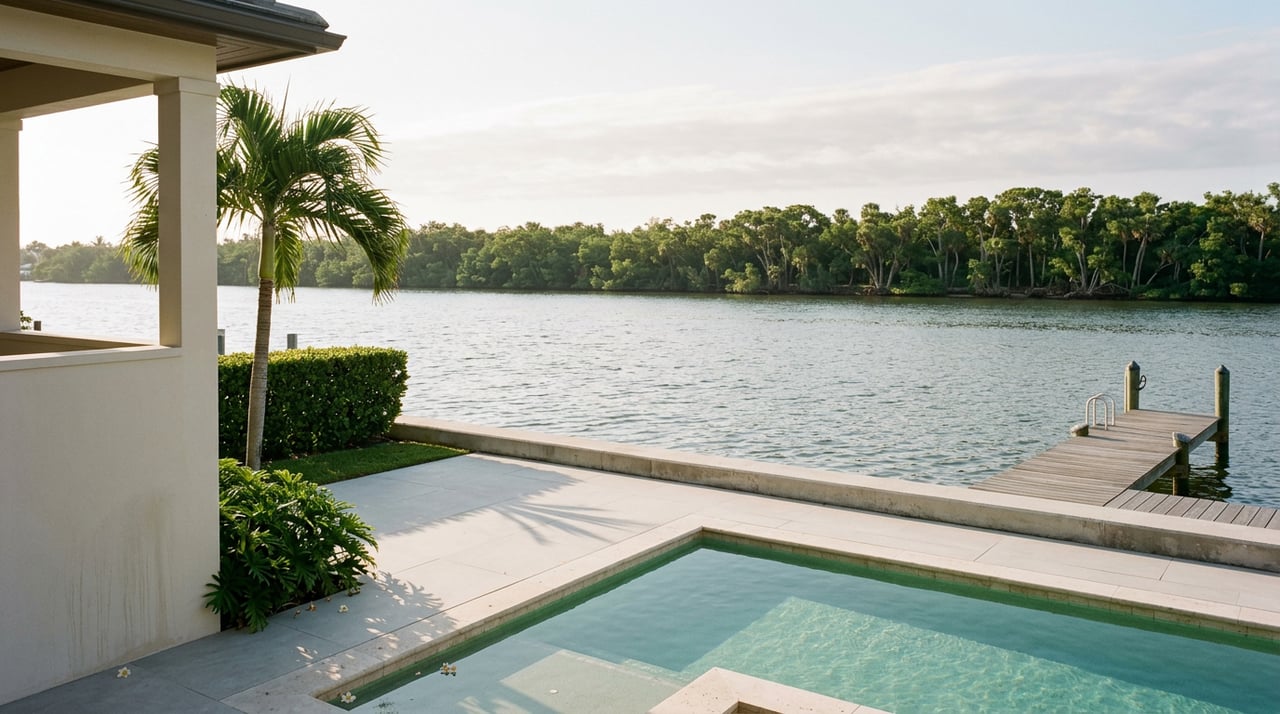
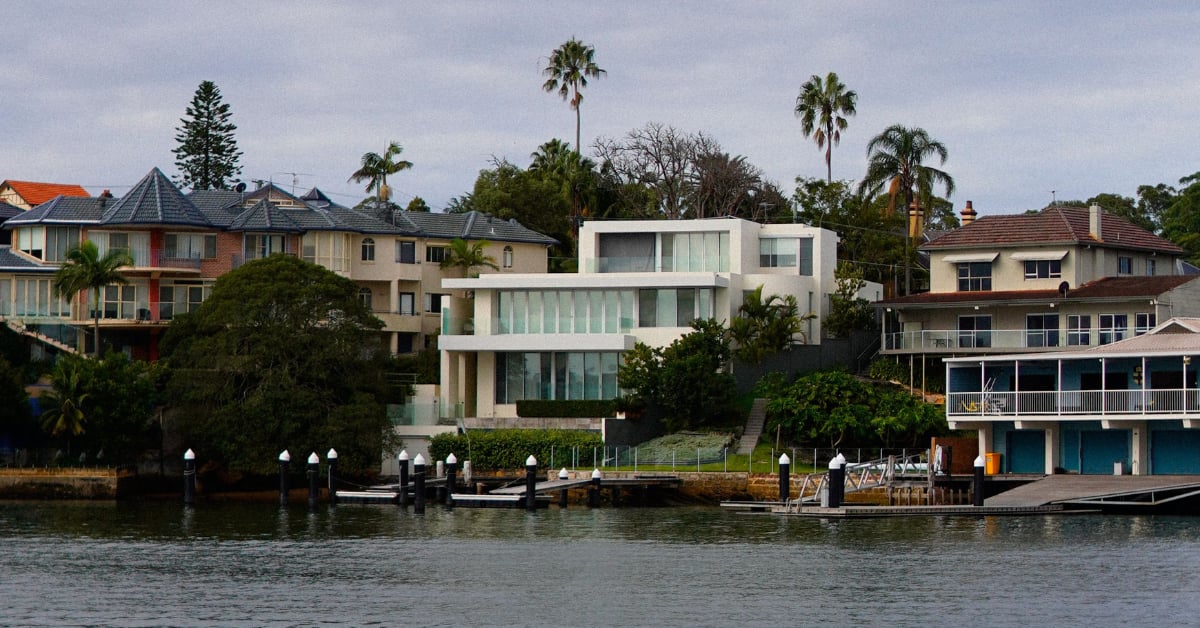
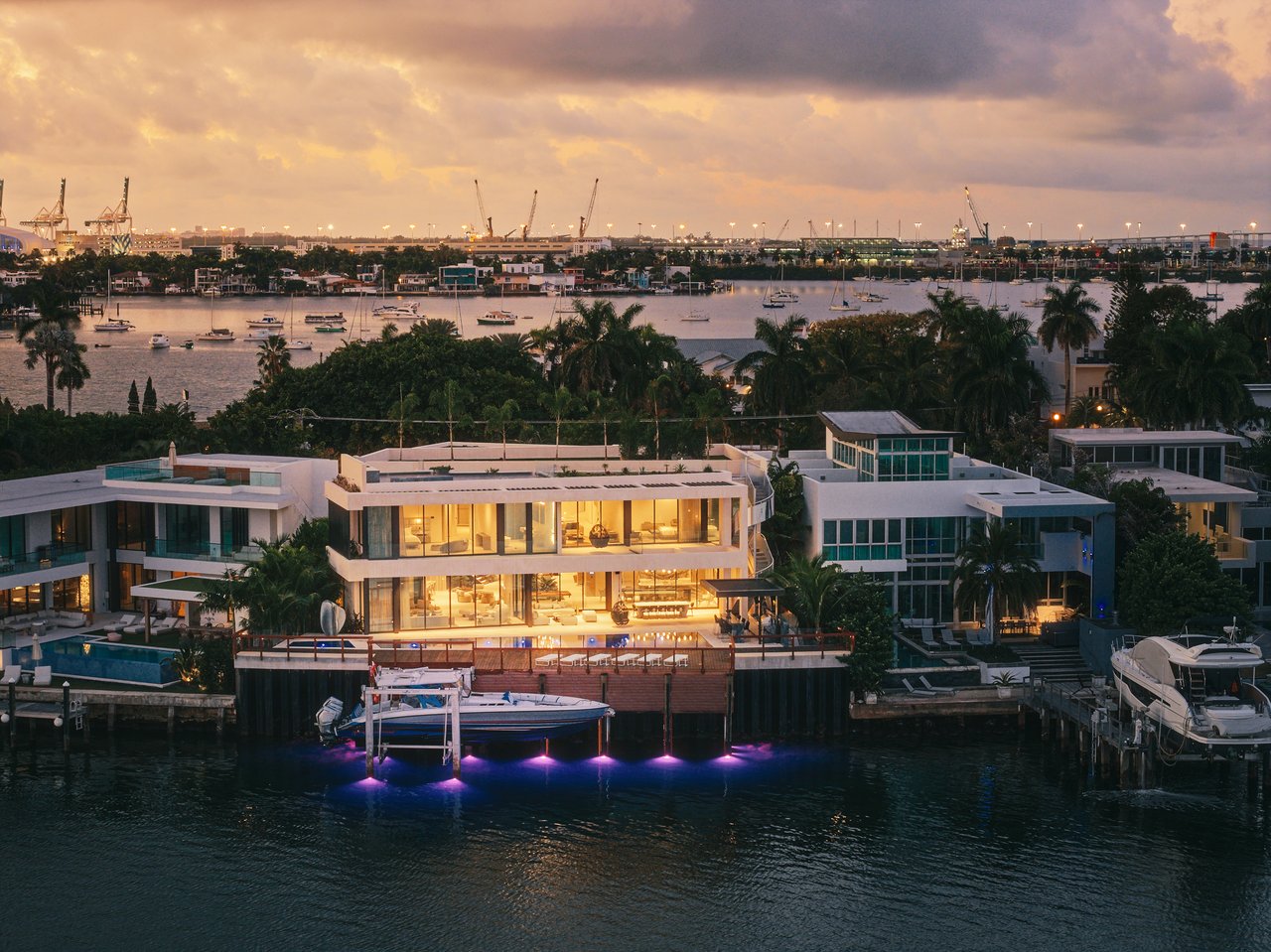
Properties with direct water access — whether bayfront, oceanfront, or intracoastal — remain among the most expensive in Miami’s luxury landscape. In many ultra‑prime areas, prices have hit record levels or stayed elevated, showing that demand remains strong.
For example:
- Miami‑Dade has some of the highest luxury sales in the nation, with multiple ultra‑high‑end residences selling for tens of millions of dollars.
- Many waterfront homes are owned as second residences by the ultra‑wealthy, showing long‑term interest in luxury coastal living.
3. Value Trends in 2026: Demand Meets Scarcity
Here’s how the market looks right now:
• Limited Supply of Waterfront Lots
Waterfront land is scarce — you can’t make more shoreline. This limits supply and keeps premium values strong.
• Continued Interest From Wealthy Buyers
High‑net‑worth buyers are still buying luxury waterfront homes as lifestyle properties, investments, or second homes.
• Condo Market Growth and New Deliveries
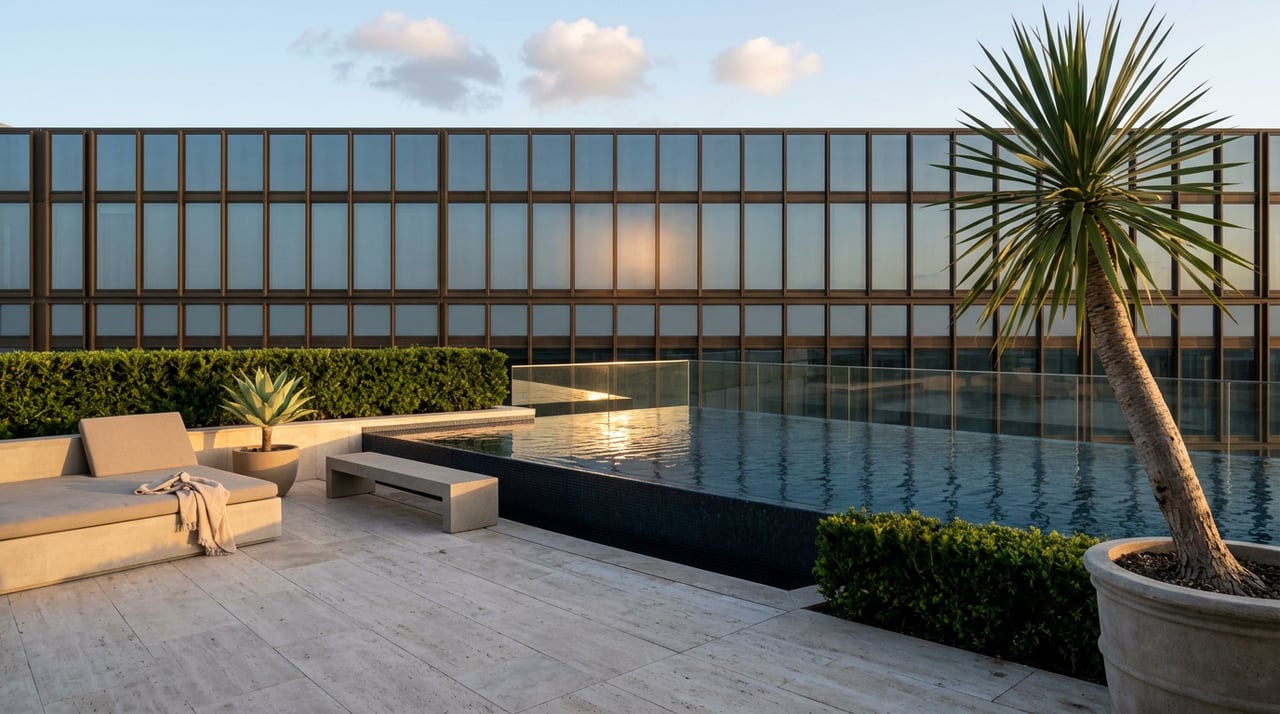
In 2026, Miami is seeing one of the largest waves of new luxury condo deliveries in history. More than 15,000 luxury condo units are expected across 40+ developments, many with premium waterfront views or close access to water.
This means more choices for buyers, but top properties with true water views or private docks still sell at a premium.
4. Price and Demand Signals in the Waterfront Segment
Recent data from luxury neighborhoods shows strong pricing trends:
• Sunny Isles Beach Luxury
Among luxury oceanfront condos, average list prices can exceed $7M, with premium pricings per square foot well above average.
• Bal Harbour & Surfside
These neighborhoods are known for ultra‑luxury condos and boutique beachfront estates that command very high prices.
• Unique Transactions Set Benchmarks
Some ultra‑luxury homes in Miami Beach have set new price records, showing buyers are willing to pay for the very best waterfront properties.
5. What Buyers Should Know Before Paying the Premium
Waterfront properties offer unrivaled lifestyle benefits — but they also come with costs that matter:
Lifestyle Perks
- Daily ocean or bay views
- Easy access to boating, beach, and outdoor living
- Strong appeal for luxury lifestyle buyers
Additional Costs
- Higher insurance and maintenance costs
- Flood and hurricane risk premiums
- HOA fees for luxury condos
Market Behavior
Luxury homes (especially waterfront houses) have shown more consistent price appreciation than many older condo buildings — a sign that buyers still see long‑term value.
6. So — Are Miami Waterfront Properties Still Worth the Premium?
Yes — for many buyers.
Here’s why:
✅ Limited supply + strong demand keeps waterfront values high.
✅ New luxury development is expanding choice but hasn’t diluted the top end.
✅ International and wealthy buyers continue to invest.
✅ Some of the most expensive sales in the U.S. happen in Miami.
But it depends on your goals:
- Lifestyle Buyer? Waterfront condos or houses can be worth it for views, amenities, and living experience.
- Investor? Waterfront properties often perform well long term, but consider carrying costs.
- Value Seeker? Look for newer quality condos or less obvious waterfront adjacencies that still offer water access.
Conclusion — 2026 Outlook
Miami’s waterfront luxury market is not fading. It has evolved, stabilized, and continues to attract buyers who value luxury, location, and lifestyle.
Waterfront homes and condos still carry a premium — and for many buyers, they are worth every dollar.
Whether you’re considering a Miami luxury home, house, or waterfront condo, understanding current trends will help you make smart decisions in 2026. If you’re ready to explore the best Miami waterfront properties or need expert guidance, reach out to M Group — your trusted partner in luxury real estate.
From the M Group journal archive. Market figures, events and property details reflect the original article.
Original publication ↗