Leave a Message

Thank you for your message. We will be in touch with you shortly.

Edgewater Vs Downtown: Best Bayside Views For Buyers

Edgewater Vs Downtown: Best Bayside Views For Buyers

If sweeping Biscayne Bay panoramas top your wish list, you are likely comparing Edgewater and Downtown Miami. Both deliver water, skyline, and night-light drama, yet the way you experience those views is very different from one neighborhood to the other. You want a home that feels open, resilient to future changes, and rewarding at sunrise and sunset. In this guide, you will learn how each area frames the bay, how orientation and height influence sightlines, what to check in zoning and the development pipeline, and how to protect long-term value. Let’s dive in.

Edgewater vs Downtown views

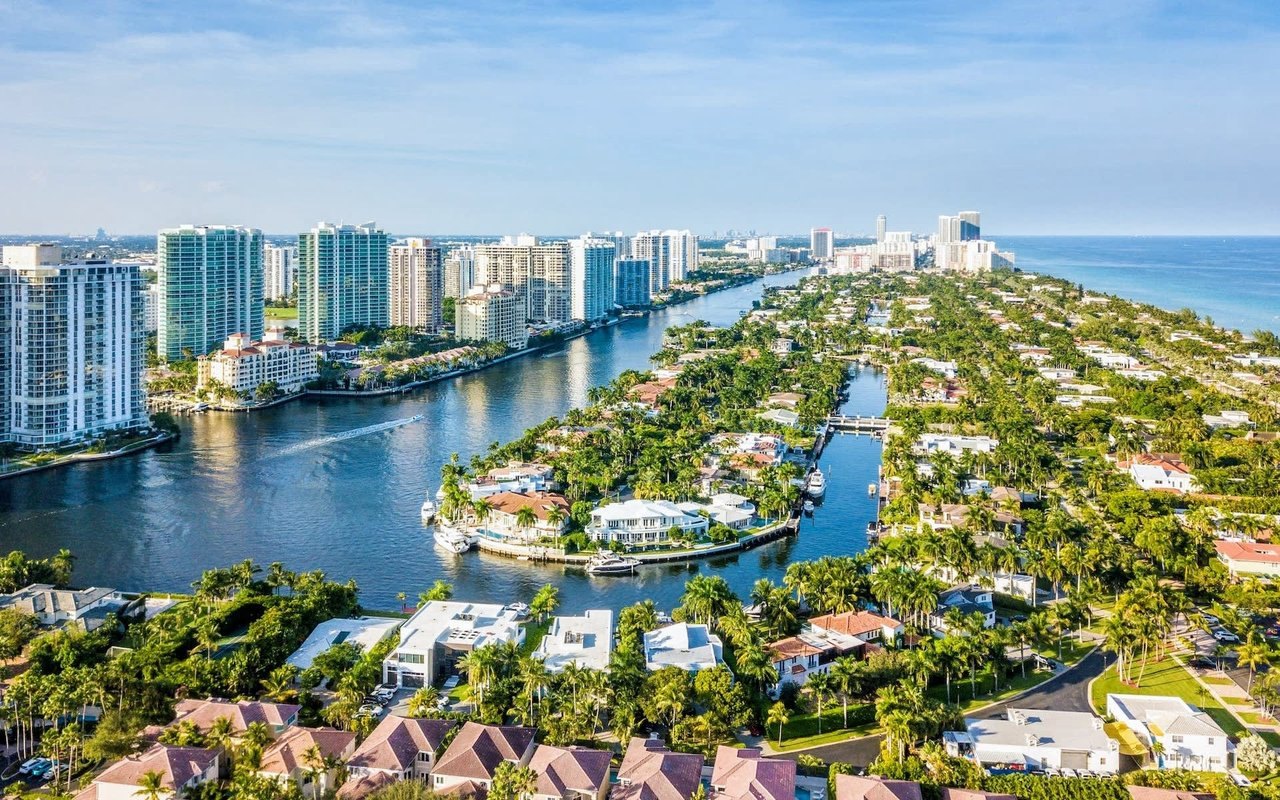
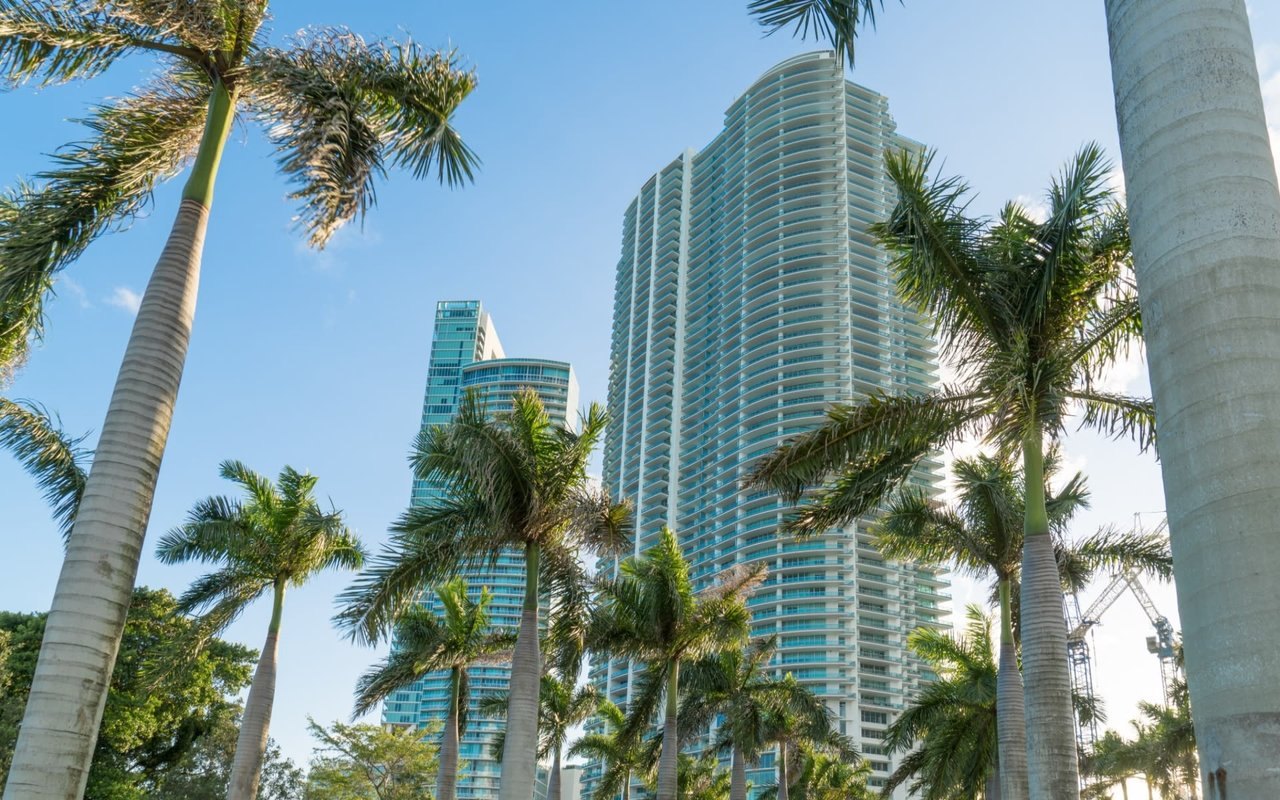
Edgewater stretches along a long, linear bayfront north of the Downtown core. Many towers line the water with parks and marinas along Biscayne Bay. This layout often produces broad, uninterrupted water views, with south-facing units capturing the Downtown and Brickell skyline in the distance and north-facing units looking toward Upper Biscayne Bay and island chains.

Downtown Miami sits immediately south with a denser cluster of office and residential towers along the bay. Here, views are a mix of direct bay outlooks and dramatic cityscape scenes. East-facing units often look toward Biscayne Bay and the Port area, while other orientations are frequently framed by nearby high-rises. The result can feel dynamic and urban, but more subject to immediate obstruction.

Bottom line: Edgewater typically offers a classic “bay first” panorama with skyline as a backdrop. Downtown delivers high-energy skyline drama with selective bay vistas, shaped by neighboring towers.

Orientation and floor height

Orientation is the first filter for view quality. East-facing units usually offer the clearest bay prospects with morning sun. In Edgewater, south-facing units frequently frame the Downtown and Brickell skyline across the water, while north-facing units catch the openness of Upper Biscayne Bay. West-facing units in both neighborhoods tend to look toward the urban core rather than the bay.

Floor height then determines how far your view travels over nearby roofs. Many condos use roughly 9 to 10 feet per residential floor, while luxury towers can be taller. In clusters where surrounding buildings stand 10 to 20 stories, you often need to be above that local roofline for a long, uninterrupted water or skyline view. Because Edgewater’s waterfront is more linear in several stretches, strong water views can be achieved at lower floors versus Downtown’s denser vertical field.

Corner and wraparound plans are powerful for view-seekers. Southeast corners, for example, may combine open bay and skyline angles in one continuous experience.

Bayfront vs near-bay exposure

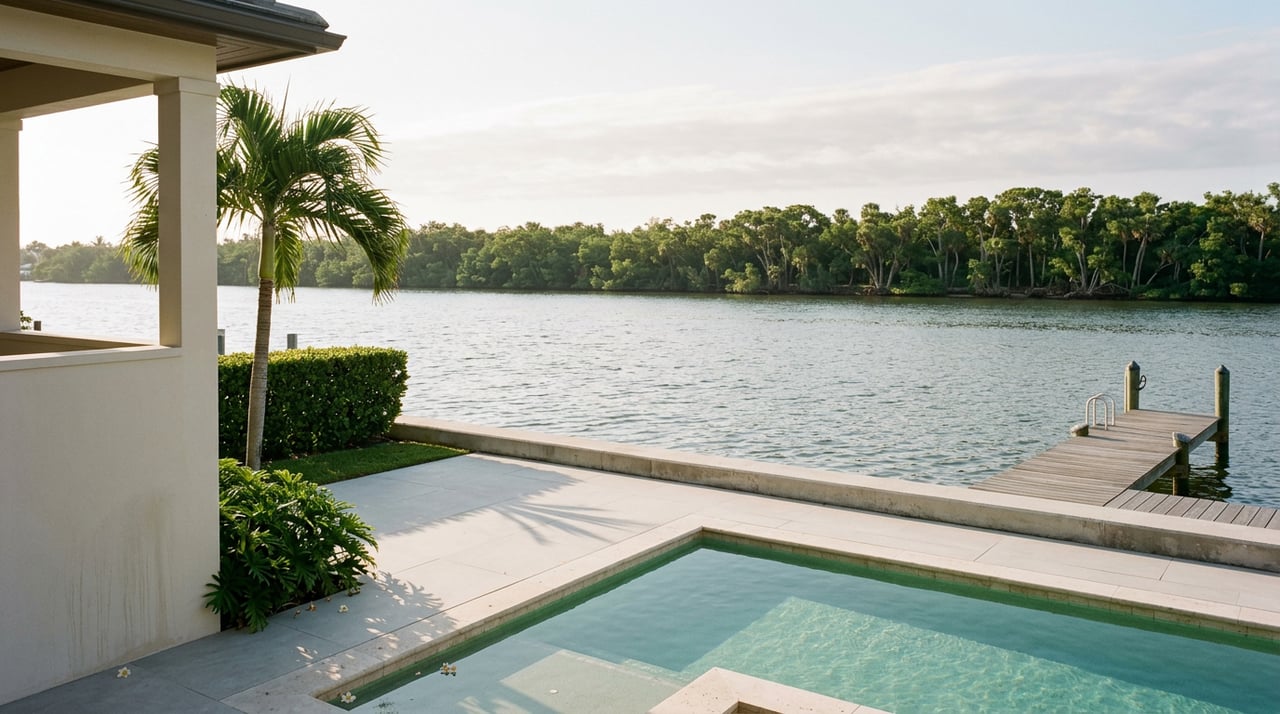
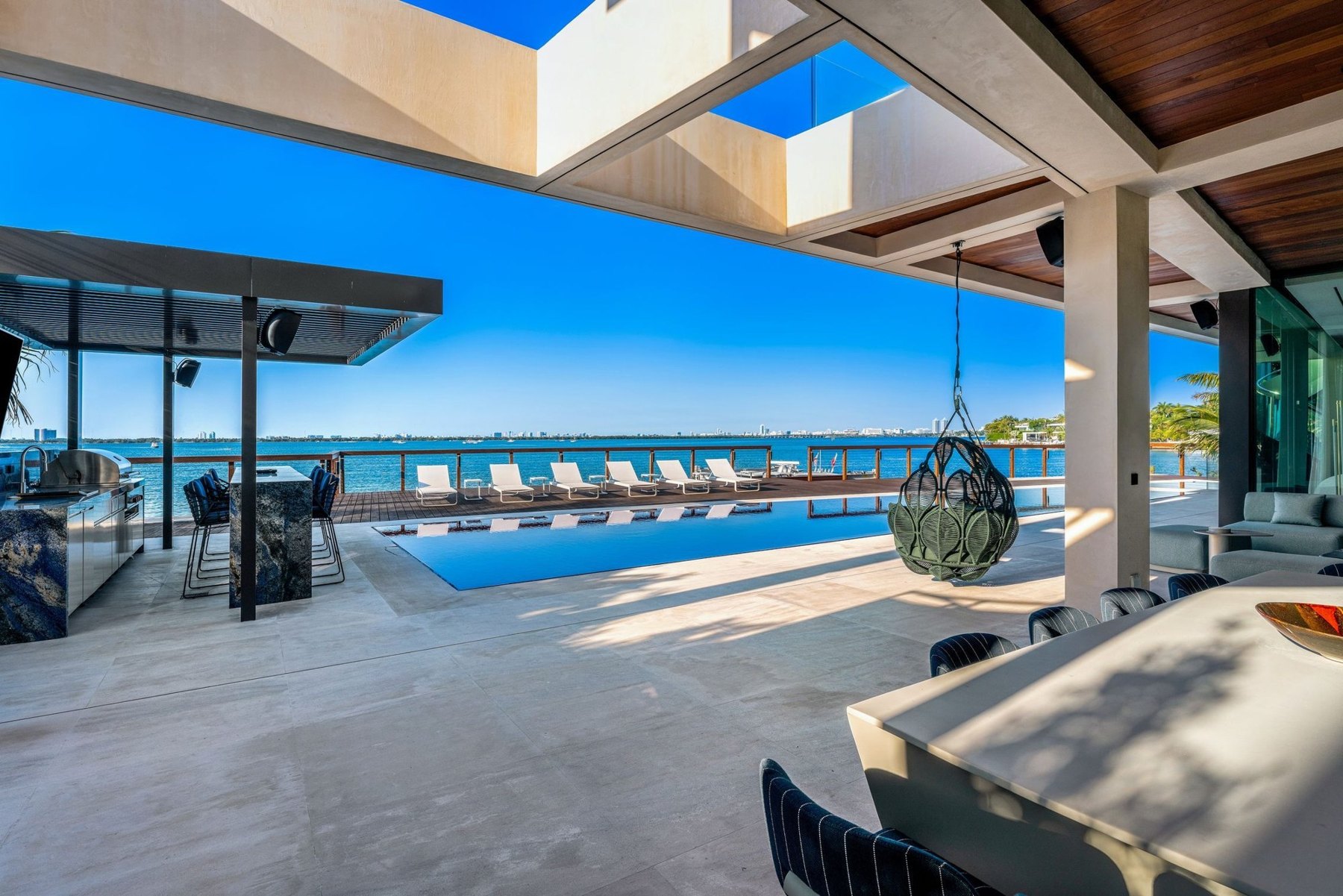
Not all “water views” are equal. Units in buildings that sit directly on the bayfront enjoy the most resilient and open vistas. With water on your doorstep, there is less chance that a future building will rise between you and the bay. You also gain immediate access to waterfront promenades, parks, and marinas.

Units one or two blocks back can still deliver excellent views, but they are more sensitive to future in-fill development. If a vacant or low-rise parcel sits between you and the water, your sightline depends on current zoning and any pending permits. When view quality is the priority, bayfront exposure typically carries a premium for good reason.

Design details matter too. Full-height glazing and well-proportioned balconies elevate the experience, while recessed or narrow terraces can mute even a strong outlook. Also consider glare and heat at different times of day, especially if you plan to spend time outdoors.

Zoning and pipeline checks

View outcomes in Miami are driven by zoning, permitted heights, and the development pipeline. Downtown’s core generally allows greater height and density, which supports that dramatic skyline, while Edgewater has seen substantial high-rise residential growth along the bay over the past two decades.

Protect your view by verifying three things:

  • What current zoning allows on parcels between your unit and the bay, and on adjacent sites in your view corridor. Use the City of Miami zoning map and public portal to confirm allowed heights and setbacks.
  • Which projects are permitted or under construction nearby. Local reporting and planning agendas can signal near-term changes. Permitted projects pose the most immediate view risk.
  • Whether any covenants or easements exist that might protect open space. These are uncommon in Miami, so treat them as a bonus rather than a baseline.

Expect change over time. Your goal is not to eliminate risk, but to understand it so you can choose a home with a resilient sightline.

Flood risk and resilience

Miami-Dade faces coastal flood exposure and projected sea-level rise. That reality affects insurance costs, building design, and long-term planning. As a bayside buyer, confirm the property’s flood zone and the building’s elevation relative to base flood requirements. Ask about mitigation measures like elevated parking, protected mechanical systems, and floodproofing details.

Use federal and local resources to inform your due diligence, including FEMA flood maps and NOAA sea-level planning tools, along with county and city resilience documents. Waterfront or lower floors may carry higher insurance costs even when the view is exceptional, so factor operating costs into your decision.

Value and resale impact

In coastal markets, strong water and skyline views typically command a premium relative to similar units without them. The size of that premium varies by building, floor, layout, and outdoor space. Appraisers and local brokers usually size the impact using comparable sales.

Views also influence liquidity. Units with clear, resilient bayfront exposure often attract a broader buyer pool, including second-home and out-of-area buyers, which can support resale momentum. Conversely, units with marginal or easily obstructed views may see more volatility if nearby development accelerates.

Your best long-term strategy is to balance experience and resilience. Buy the most durable version of the view you love within your budget and building preference.

Who each area fits

  • Edgewater: Prioritize continuous water, a sense of openness, and parks along the bay. South-facing stacks often deliver a beautiful “bay plus Downtown skyline” composition. You may achieve excellent water outlooks on mid-level floors where the waterfront is uninterrupted.
  • Downtown: Favor an energized city vibe, cultural nodes, and immediate access to transit and venues. You will find impactful skyline scenes with selective bay views, especially in east-facing or corner units that clear neighboring towers.

Both areas can be exceptional. Your orientation, floor height, and frontage will shape your enjoyment day to day.

On-site view checklist

Use this quick field guide when touring units:

  • Visit at four times: sunrise, midday, sunset, and night to test light, glare, and nighttime activity from the Port and causeways.
  • Stand in the living room, primary bedroom, and on the balcony. Note the angles that matter and take photos for later comparison.
  • Confirm floor-to-floor heights, then estimate your elevation and whether you clear nearby roofs. If unknown, use 9 to 10 feet per floor as a conservative baseline.
  • Identify parcels between you and the bay. Check zoning designations, allowed heights, and any active permits or applications.
  • Ask about flood zone, building elevation, mitigation features, and insurance cost estimates.
  • Review HOA rules that affect balcony use or glazing, and assess reserves and maintenance so the building matches the quality of the view.

Make your move

Choosing between Edgewater and Downtown comes down to the view you want to live with every day, plus how secure that view is over time. Edgewater often delivers expansive bay panoramas with skyline in the distance. Downtown offers a vivid urban theater with select bay outlooks shaped by nearby towers. With the right orientation, the right floor, and a clear reading of zoning and pipeline, you can secure a home that feels open, calm, and future-ready.

If you want a curated, view-first search with local due diligence on zoning, pipeline, and flood resilience, connect with Olivier Brion. We will align your shortlist with the outlook you want and the long-term confidence you need.

FAQs

What floors typically clear roofs in Edgewater vs Downtown?

  • It depends on nearby building heights, but in clusters with 10 to 20 story neighbors, you usually need to be above that roofline for an unobstructed panorama. Edgewater’s linear waterfront can allow clear bay views at lower floors than Downtown’s denser core.

How can I check if a future tower could block my view?

  • Identify parcels in your sightline, then verify zoning allowances and search permits or applications on the City of Miami portal and planning agendas. Prioritize permitted or under‑construction projects when judging near-term risk.

Are east-facing units always best for Miami bay views?

  • East-facing stacks usually offer the purest bay vistas and morning light, but southeast or northeast corners can combine bay and skyline scenes. In Edgewater, south-facing units often capture the Downtown/Brickell skyline across the water.

What flood factors should I review for a bayside condo?

  • Confirm the property’s flood zone, finished floor elevation relative to base flood requirements, mitigation measures, and current insurance costs. Use FEMA and NOAA resources, plus city and county resilience guidance, to inform your decision.

Do waterfront parks guarantee my sightline long term?

  • Parks help preserve open space directly in front, but they do not guarantee peripheral views. Miami does not have broad view-protection ordinances, so always check zoning and pipeline activity on nearby parcels within your wider view corridor.

Work With Us

M Group combines skills, experience, and network in luxury real estate supported by an incredible team of agents from all backgrounds gives them an edge in selling and buying real estate locally and abroad.