If you want a second home that feels removed from the city without giving up Miami access, Key Biscayne deserves a close look. For many buyers, the appeal is simple: you get a residential island setting, strong outdoor amenities, and a location that is still minutes from Downtown Miami by the Rickenbacker Causeway. The real question is whether that balance fits the way you actually want to live, use, and maintain a second property. Let’s dive in.
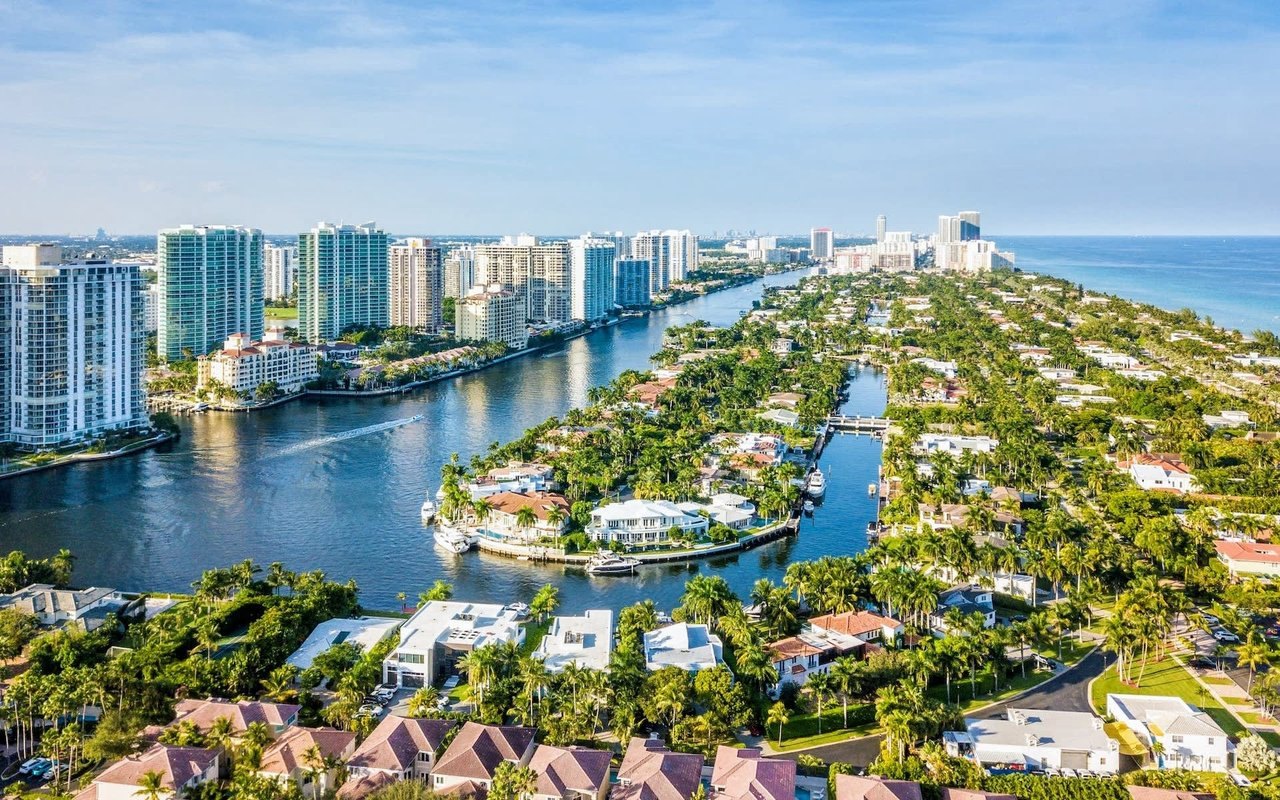
Key Biscayne is a small incorporated village on a barrier island in Miami-Dade County. The village has an estimated 2024 population of 15,111 and is reached by the Rickenbacker Causeway, which is its only mainland connection. That geography gives the island a more separated feel than many coastal neighborhoods near central Miami.
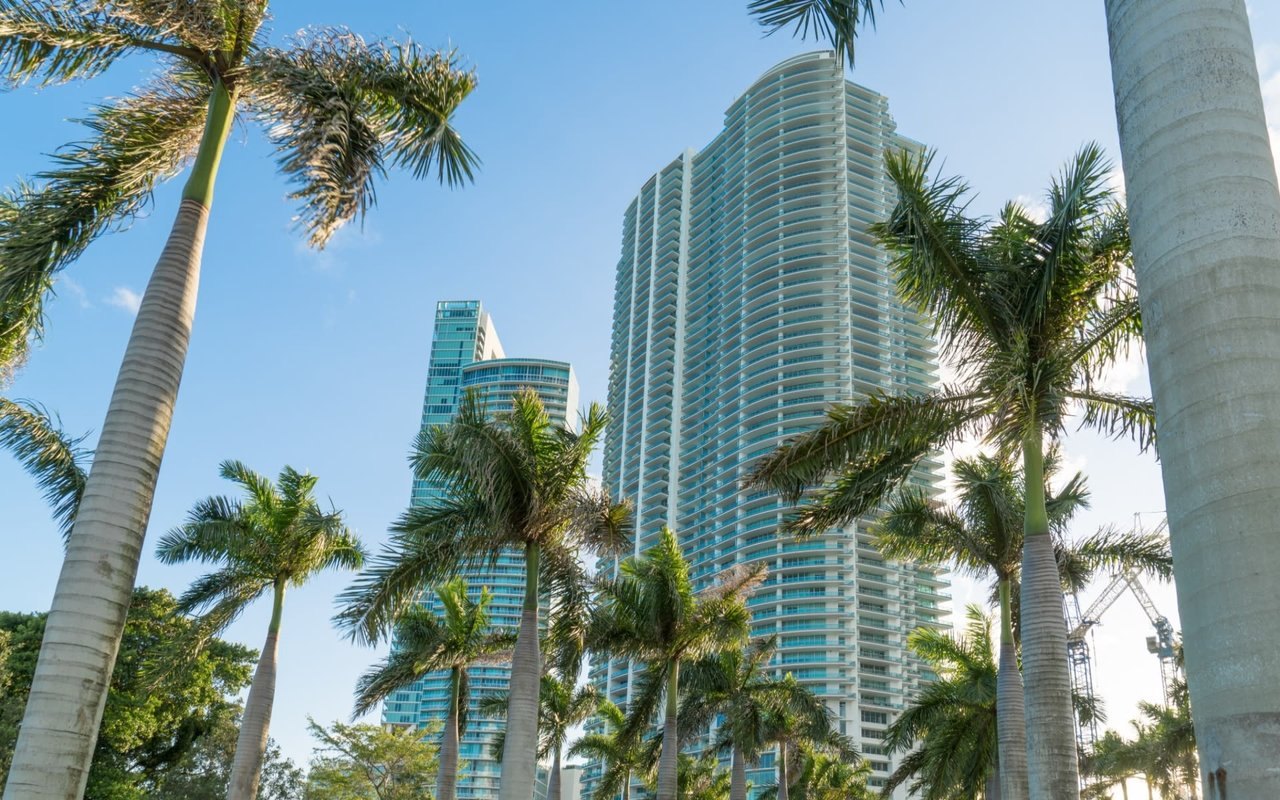
For a second-home buyer, that setup can be very appealing. You are close to Miami’s urban core, airport access, and everyday services, but your home base feels quieter and more residential. If you want an island environment without moving far from the city, Key Biscayne offers a distinctive mix.
One of Key Biscayne’s biggest strengths is how much of the island experience centers on outdoor space. Bill Baggs Cape Florida State Park offers 1.25 miles of beach shoreline along with lighthouse access, kayaking, fishing, canoeing, picnic pavilions, and two open-air dining restaurants. Crandon Park adds another major recreational anchor with 808 acres that include a beach, nature center, tennis center, golf course, and marina.
Within the village, you also have local parks and green spaces such as Beach Park, Village Green Park, Library Park, Calusa Park, and Dog Park. That matters for second-home ownership because it gives you built-in ways to enjoy the island without needing a packed social calendar. If your ideal getaway includes walking, boating, beach time, and open space, Key Biscayne checks many of those boxes.
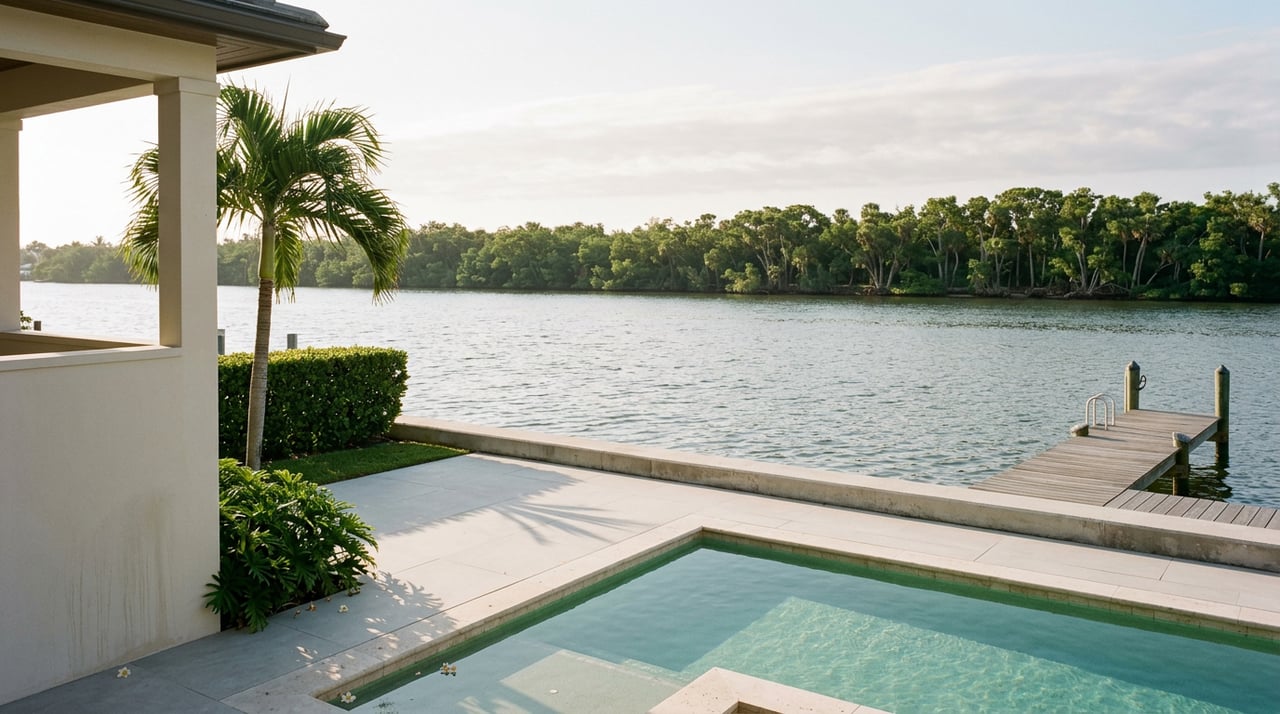
If you spend time on the water, Key Biscayne becomes even more compelling. Crandon Marina, located at 4000 Crandon Boulevard, includes a 24-hour boat ramp. The private Key Biscayne Yacht Club Marina offers 98 wet slips and 39 dry slips, and Bill Baggs Cape Florida State Park provides boating and kayak access plus protected anchorage at No Name Harbor for day or overnight stays.
This boating infrastructure gives part-time owners real flexibility. You can keep your time on the island active and connected to Biscayne Bay, nearby marinas, and access routes toward Biscayne National Park. For buyers who see a second home as a place to unplug outdoors, that can be a major differentiator.
Key Biscayne has a varied dining mix, but it does not read like a dense urban restaurant corridor. Local and waterfront options highlighted by Miami and Miami Beach include Rusty Pelican, Vinya, Novecento, Donut Gallery Diner, La Boulangerie Boul’Mich, and Narbona. Bill Baggs also offers Lighthouse Café, while the Ritz-Carlton adds resort-style food and beverage options.
For many second-home buyers, that is part of the appeal. You have enough variety for regular visits and entertaining, but the island still keeps a more contained residential feel. If you want nightlife-first energy, you may prefer another area. If you want convenience without a nonstop pace, Key Biscayne may feel just right.
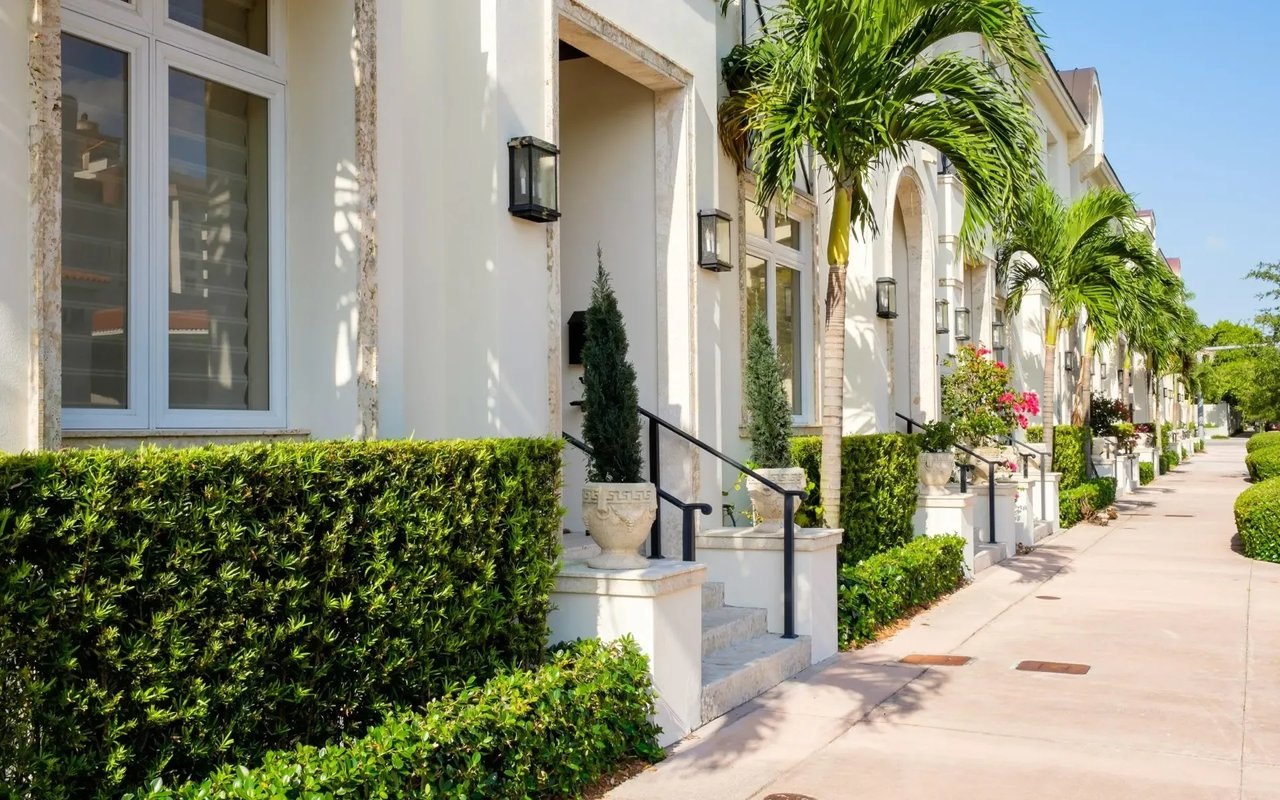
Key Biscayne’s housing stock leans heavily toward multi-family living. The village housing profile lists 7,383 dwellings, including 1,349 single-family homes and 6,035 multi-family units. That means roughly 81.7% of the housing inventory is multi-family, while about 18.3% is single-family.
That mix shapes the second-home experience. If you start your search expecting mostly houses, you may find the market narrower than you thought. If you are open to condos or townhomes, you will be looking at the more common ownership format on the island.
In Q4 2025, Miami Realtors reported a median sale price of $5,242,500 for Key Biscayne single-family homes. In the same quarter, the median sale price for Key Biscayne townhouses and condos was $1,200,000. That is a substantial gap and an important one for second-home buyers comparing lifestyle goals with budget.
In practical terms, condos often represent the lower-entry option. Single-family homes are generally scarcer and come with a much higher price threshold. If you want privacy, more land, or a larger indoor-outdoor setup, a house may still be the right fit, but you should expect a very different level of investment.
Market supply in Q4 2025 showed 44 active single-family listings with 13.9 months of supply. Condos and townhomes had 107 active listings and 8.2 months of supply. While both categories offered options, condos and townhomes gave buyers more overall choice by count.
That matters when you are buying for lifestyle fit rather than necessity. A broader condo selection may make it easier to find the right balance of maintenance, amenities, and lock-and-leave convenience. A house search may require more patience and a clearer willingness to pay for rarity.
For many second-home owners, condos align well with intermittent use. The island’s housing mix and price structure suggest that condos are often the more practical path if you want a lower-maintenance property and a more accessible entry point than a single-family home.
This can be especially appealing if you travel often or split time across multiple residences. A condo may give you the island lifestyle you want with fewer day-to-day ownership demands. It can also expand your options if your priority is access to the beach, parks, and marinas rather than a large private footprint.
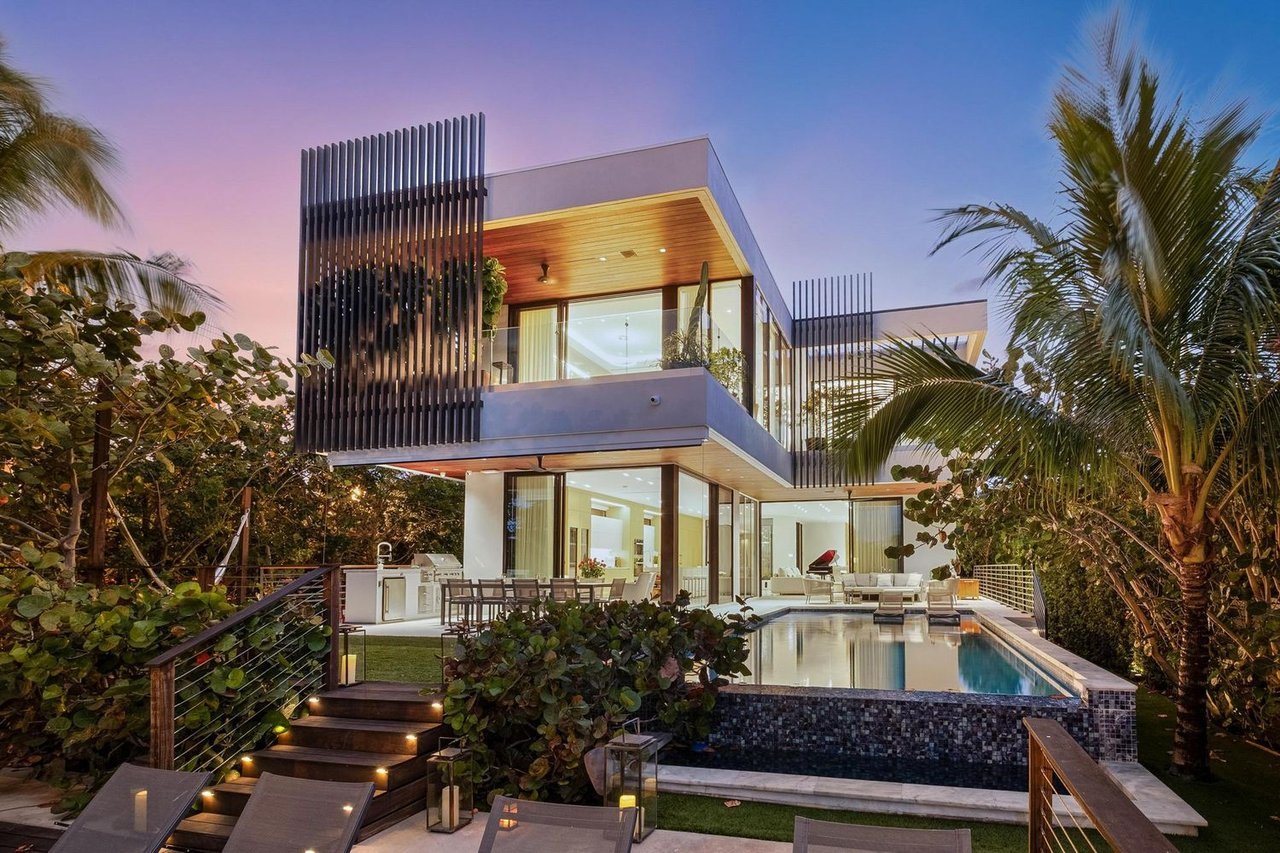
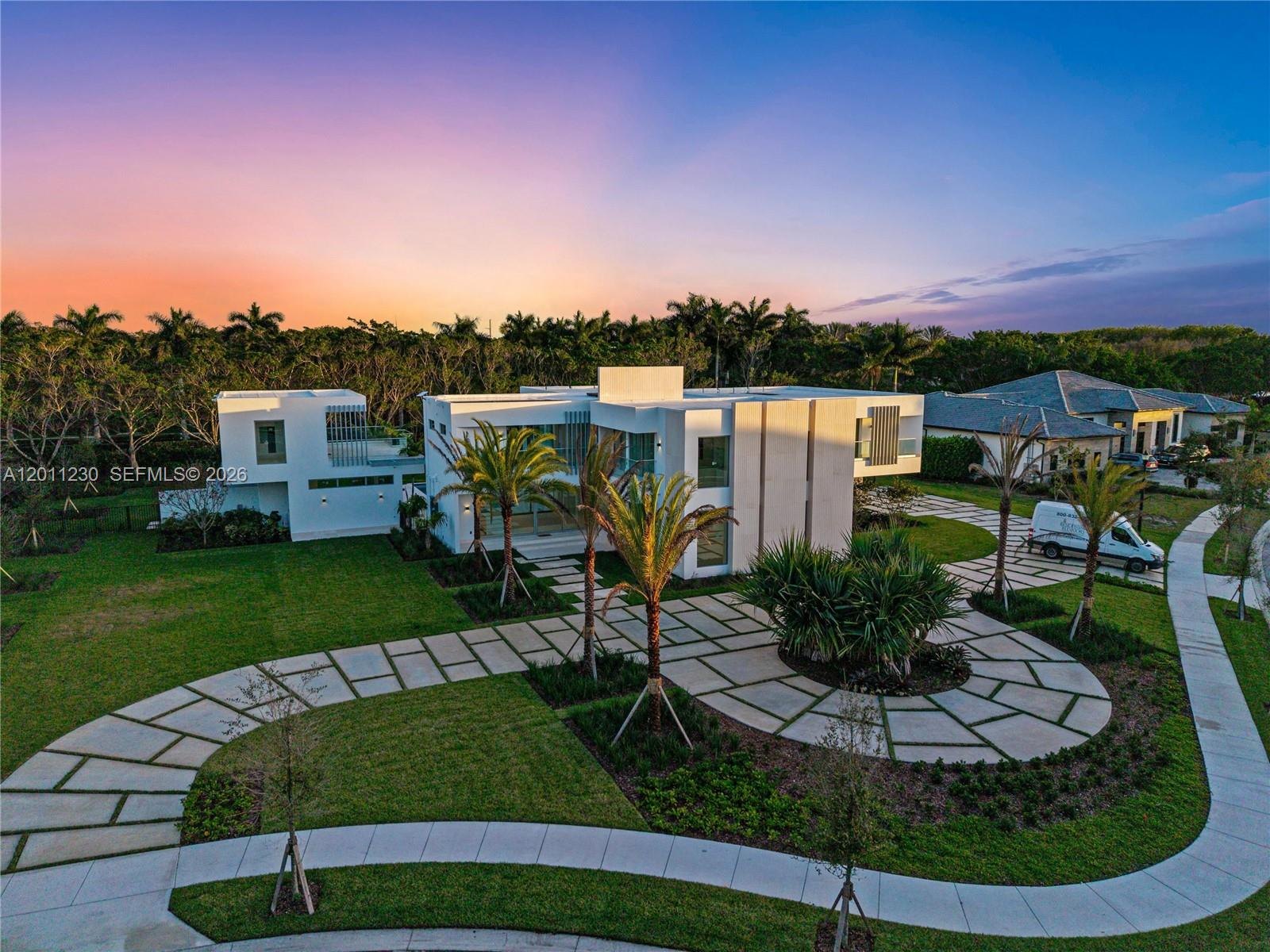
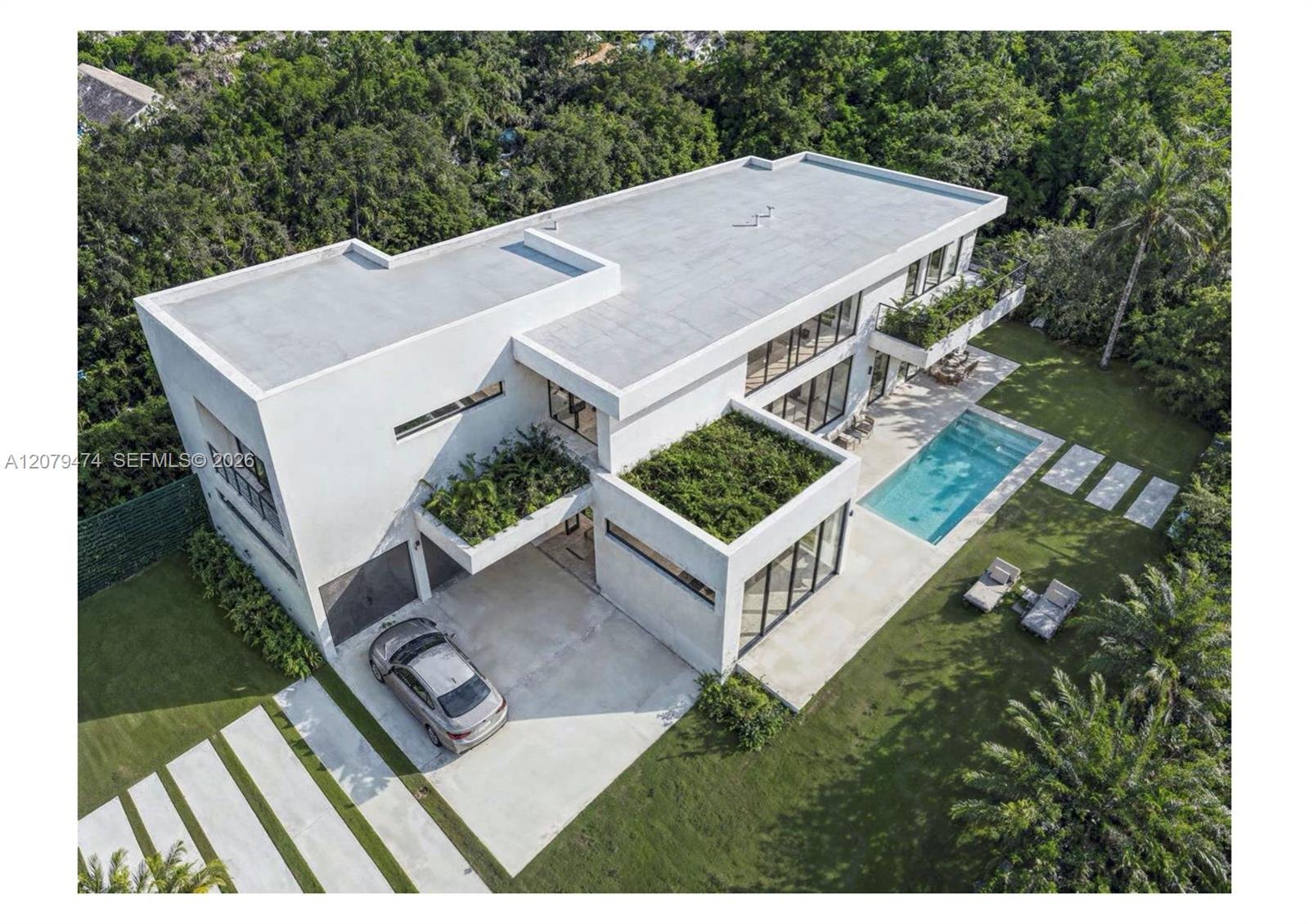
If your vision of a second home includes privacy, more outdoor space, and a more estate-like feel, a single-family home may be the better match. Key Biscayne’s single-family inventory is limited, and median pricing reflects that scarcity.
For some buyers, that premium is justified. If you want a more private setting for extended stays, hosting, or a stronger sense of separation, a house can deliver a very different ownership experience. The tradeoff is straightforward: less supply and a much higher acquisition cost.
A second home on Key Biscayne comes with real coastal planning considerations. The village’s 2025 Hurricane and Flood Guide states that the entire village is in a Special Flood Hazard Area. It also notes that Key Biscayne is in Evacuation Zone A.
As a buyer, you should expect flood-insurance requirements and storm-prep planning to be part of the ownership picture. This is not a small detail to gloss over. It should be part of your property review from the beginning, especially if you are comparing Key Biscayne with inland or less exposed options.
The village participates in the National Flood Insurance Program Community Rating System and works to maintain a 10% discount on flood-insurance premiums for residents and businesses. That does not remove the need for careful due diligence, but it is a useful detail for cost planning.
For second-home buyers, this reinforces an important point. The island lifestyle is real, but so is the responsibility that comes with coastal ownership. The right purchase decision is not just about beauty and convenience. It is also about how comfortable you are managing weather-related risk.
Key Biscayne occupies a very specific lane in the Miami-area second-home market. It is a barrier island minutes from Downtown Miami, framed by Crandon Park to the north and Bill Baggs Cape Florida State Park to the south. Even though it can feel like a Keys-style escape, it is not geologically part of the Florida Keys.
That distinction helps explain why the island appeals to a certain kind of buyer. You get a preserved island character and strong outdoor amenities while staying close to the city. If you want a second home that feels more secluded than an urban beach district, but far closer to Downtown Miami than more distant coastal markets, Key Biscayne offers a rare middle ground.
Key Biscayne is often a strong fit if you want beaches, boating, park access, and a quieter island base near Miami. It can work especially well if you value residential character, easy outdoor recreation, and a second home that feels separate from the city without being far from it.
It may be less compelling if your priority is a nightlife-first environment or a dense retail corridor. The housing stock also matters. Buyers seeking a lower-maintenance second home may find the condo market more practical, while buyers focused on privacy and space may prefer a single-family home if the budget supports it.
The best second-home decisions come down to alignment. If your lifestyle points toward water access, park-rich surroundings, and a polished but understated island setting, Key Biscayne is well worth serious consideration. If you want help evaluating the right property type, pricing tier, or discreet opportunities in this market, Olivier Brion can help you navigate the options with a tailored, high-touch approach.
What Miami Beach Buyers Should Know About Flood Protection, Sea Level Rise, and Long-Term Value
Discover the differences between Ocean Drive and Collins Avenue to find the perfect Miami Beach vacation condo for your lifestyle and investment goals.
Explore why cash buyers are driving Brickell’s luxury condo market and what today’s selective real estate trends mean for buyers and investors in 2026.
Two Neighborhoods, One Growth Story: Miami’s Emerging Investment Corridor
Your Guide to Miami's FIFA World Cup 2026™ Fan Festival Experience
Why Formula 1, Memorial Day Weekend, and major sporting events are fueling higher occupancy, stronger nightly rates, and increased competition for Miami short-term ren… Read more
M Group combines skills, experience, and network in luxury real estate supported by an incredible team of agents from all backgrounds gives them an edge in selling and buying real estate locally and abroad.