Leave a Message

Thank you for your message. We will be in touch with you shortly.

New Build Or Historic In Coral Gables?

New Build Or Historic In Coral Gables?

Torn between the charm of a historic Coral Gables home and the ease of a new build? You are not alone. Each path offers real advantages, from character and mature lots to modern systems and storm resilience. This guide breaks down what matters most in Coral Gables so you can buy with confidence, avoid surprises, and protect resale value. Let’s dive in.

Coral Gables context at a glance

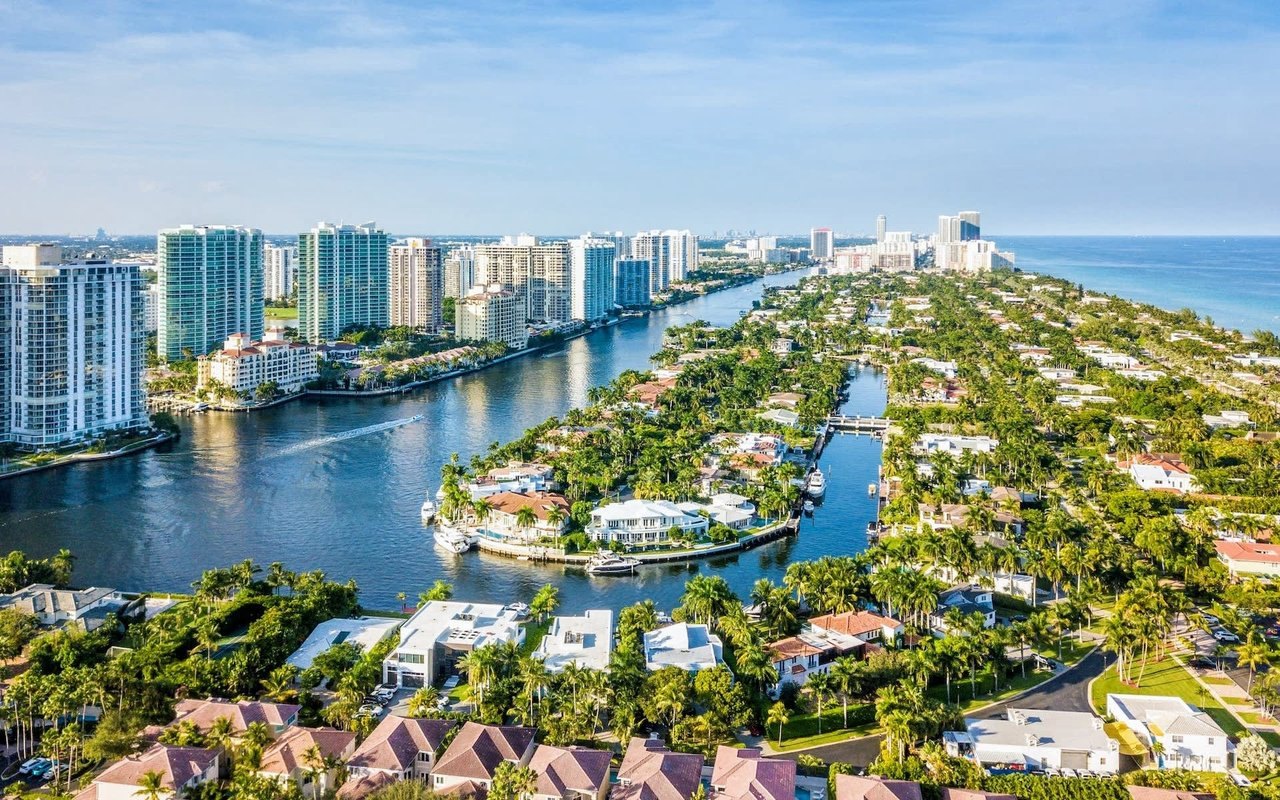
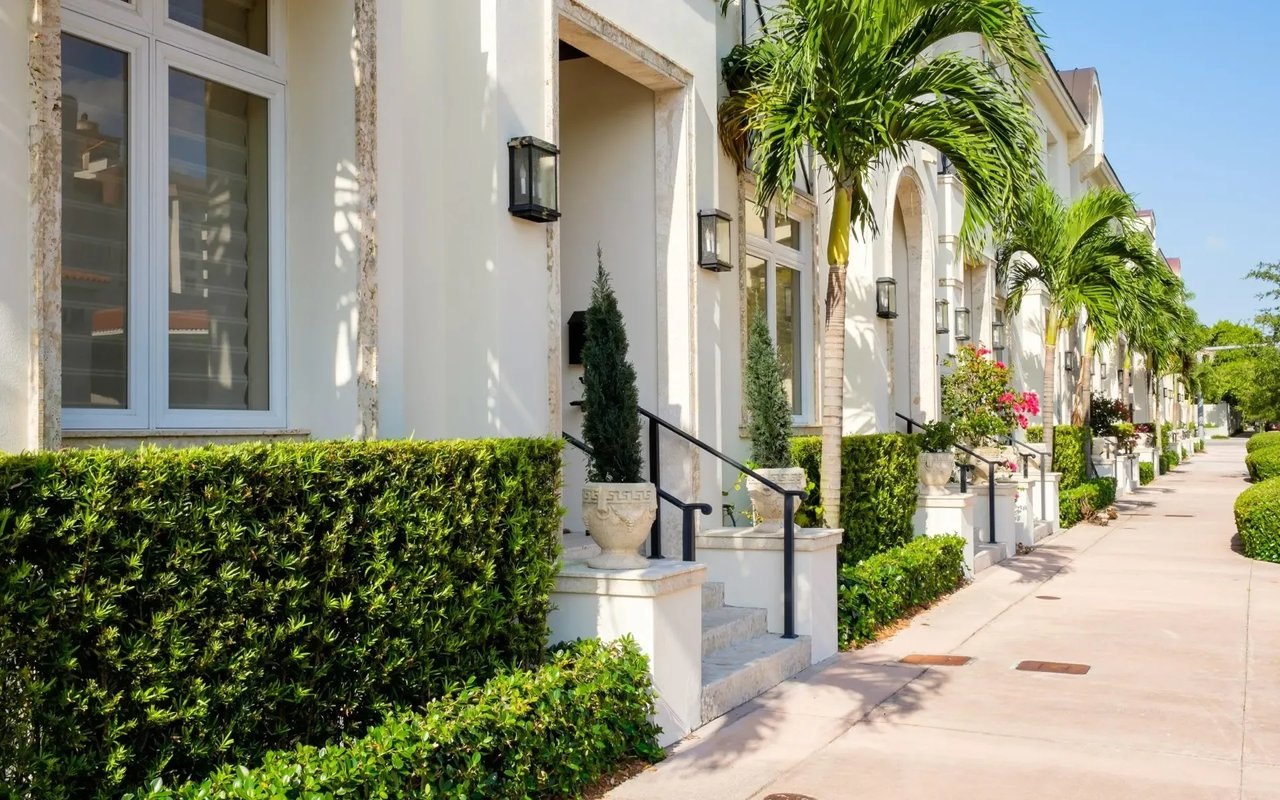
Coral Gables grew rapidly in the 1920s and is known for planned neighborhoods, tree-lined boulevards, and Mediterranean Revival architecture. Many homes from the 1920s to the 1940s anchor the city’s character and remain a big draw for buyers. You will also find custom new builds with larger footprints, open plans, and contemporary materials.

Demand stays strong thanks to location, quality streetscapes, and access to everyday needs. Proximity to the University of Miami, local private schools, dining, and major business corridors helps support values. Buyers often weigh architectural character and mature landscaping against turnkey features and modern performance.

What you get with historic homes

Architecture and setting

Historic Coral Gables homes often showcase Mediterranean Revival and Spanish Colonial details. Expect arched windows and doors, curved tile roofs, courtyards, and ornamental plaster or terra-cotta accents. Many sit on mature lots with canopy trees that add privacy and a comfortable microclimate. Streets with consistent setbacks and less-visible garages create a calm, traditional rhythm.

Maintenance and retrofit reality

Older systems may need upgrades. Electrical, plumbing, and HVAC often require modernization. The building envelope can need attention too, including roof tiles, flashing, stucco, and original windows. In a humid climate, moisture and pests are common risk areas. Lead-based paint and asbestos may be present in pre-1978 construction, so plan for testing before you renovate. Mature tree roots can affect slabs or plumbing, and South Florida’s shallow limestone and high water table can complicate additions.

Permits and preservation

Coral Gables has an active Historic Preservation program. Exterior changes to designated historic properties may require review and approval, often focused on materials, window patterns, and rooflines. If you plan to change the exterior or add on, factor in time for approvals. You should also verify the property’s historic status before you commit.

What you get with new construction

Design, systems, and performance

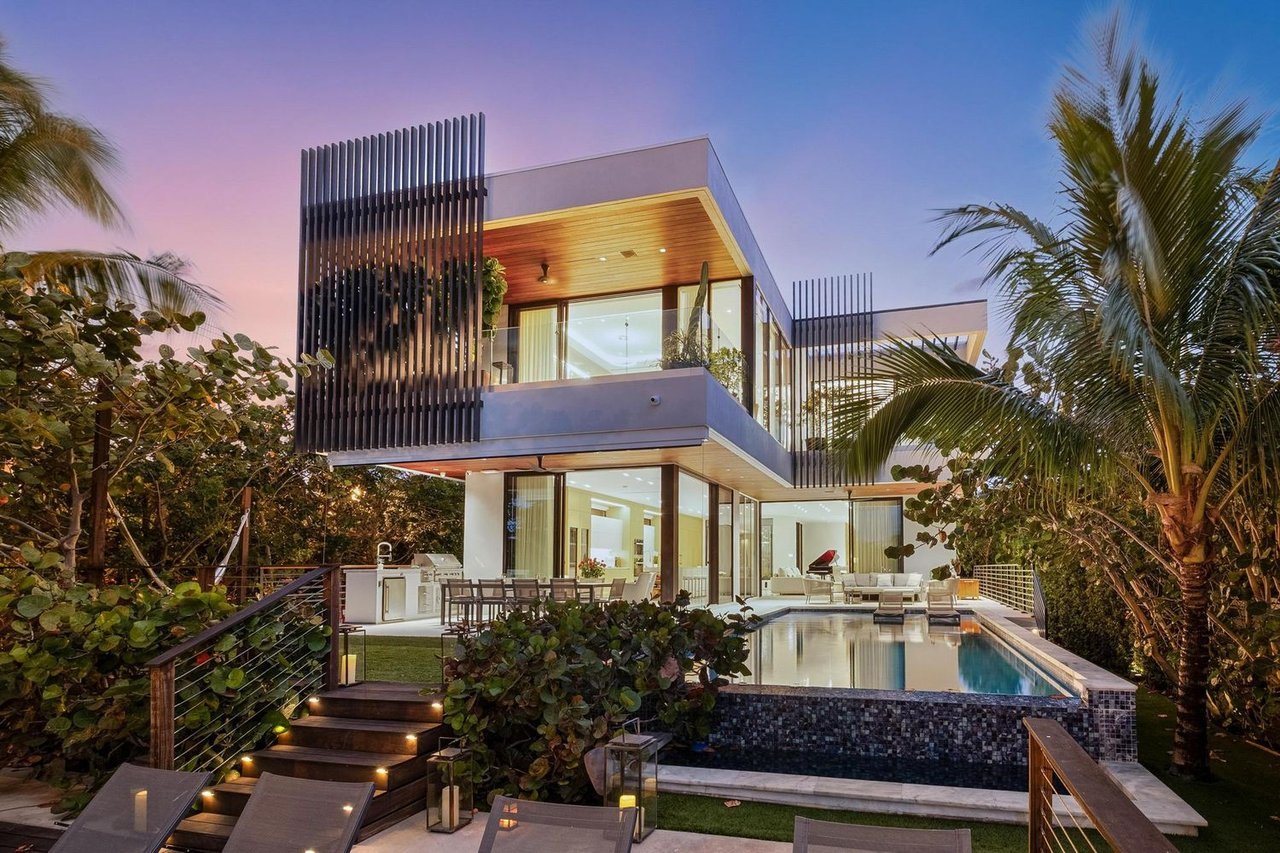
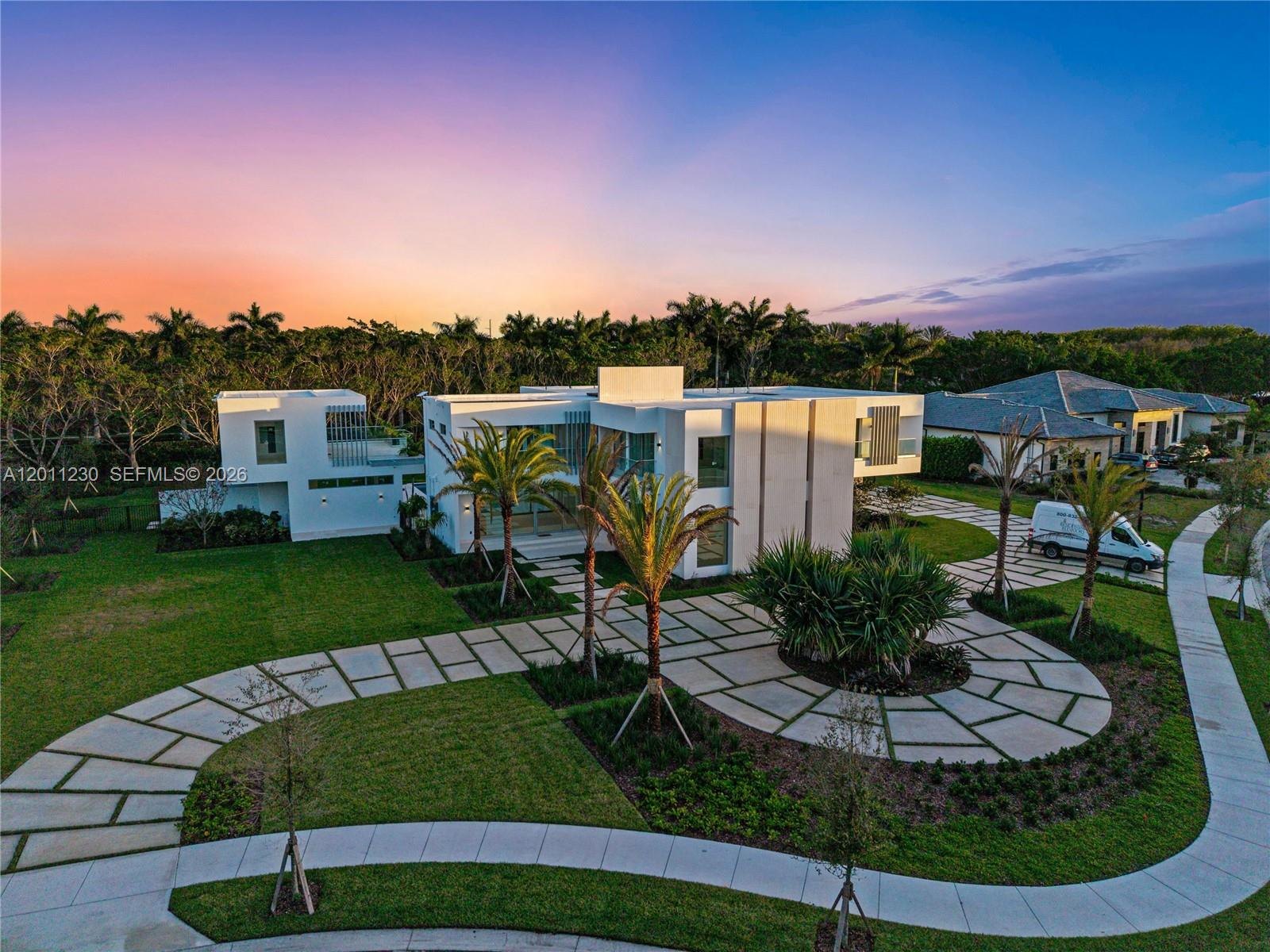
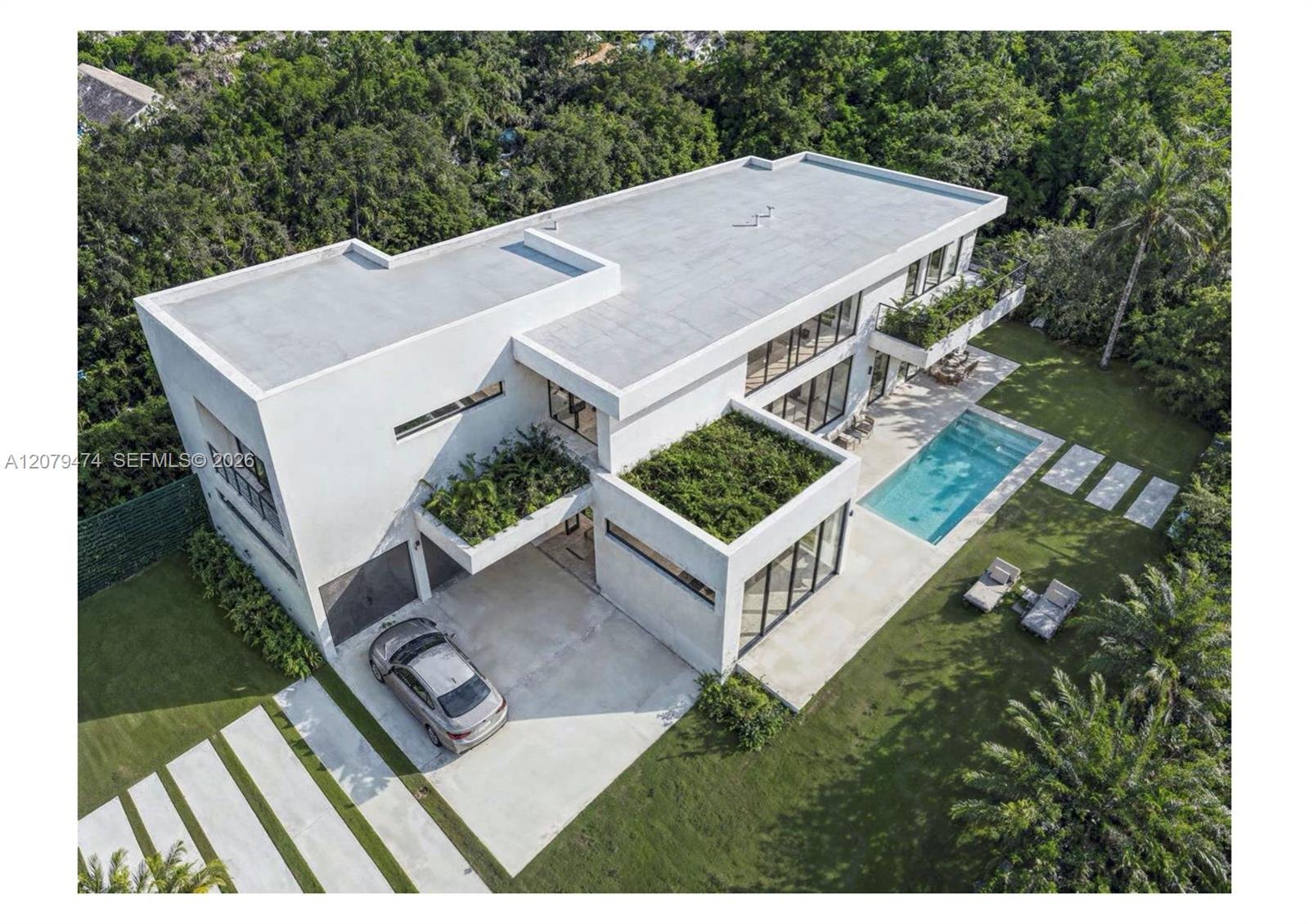
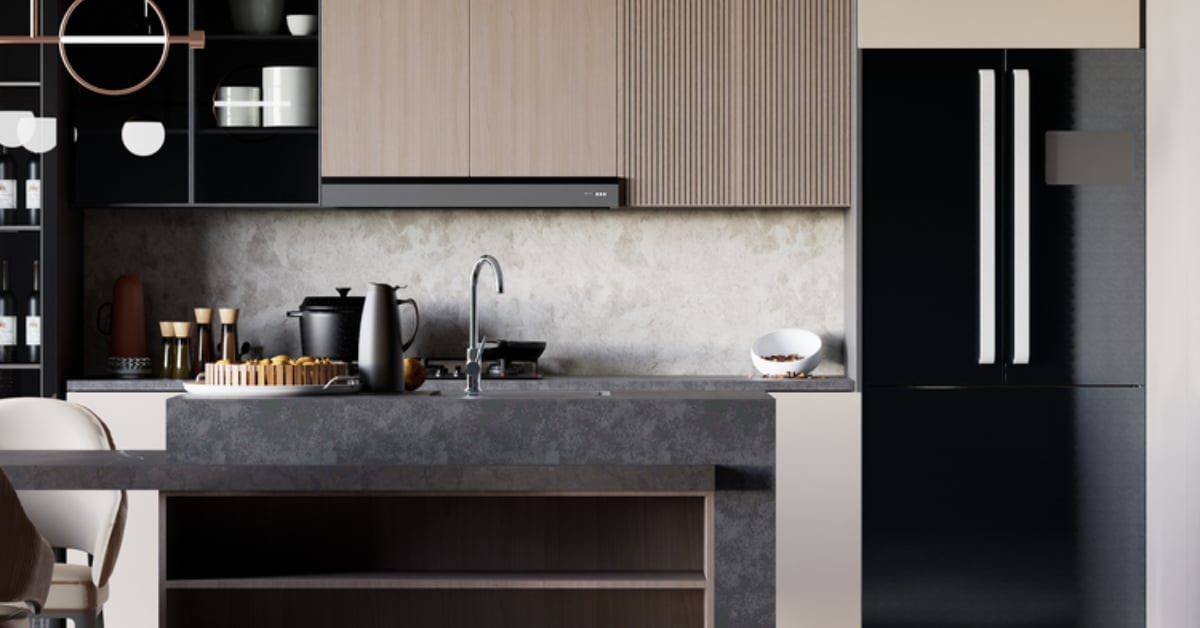
New builds typically deliver modern layouts, larger kitchens and baths, and contemporary materials like concrete and impact glazing. Systems meet current codes for electrical capacity, HVAC efficiency, and waterproofing. In Miami-Dade’s High Velocity Hurricane Zone, new homes commonly include impact-rated windows and doors and roof systems designed for wind resistance. Builders often provide warranties that help reduce early ownership costs.

Insurance and resilience

Insurers look closely at wind protection, roof condition, and flood risk. New construction with strong wind mitigation can qualify for more favorable premiums. Flood insurance depends on zone and elevation, so always check the flood zone and consider ordering an elevation certificate. While new builds lower the risk of legacy issues, quality still varies by builder, so due diligence matters.

Neighborhood fit

Infill construction can shift the scale on a block. Historic streets often have consistent massing and setbacks. A much larger new home may feel different on a smaller historic street. Coral Gables often reviews design in sensitive areas to protect neighborhood character. If street continuity is important to you, look for blocks with a stable rhythm that match your preferences.

Costs, insurance, and financing

Historic homes sometimes trade at lower prices than brand-new luxury homes in the same micro-market, but you should plan for higher near-term maintenance and surprise issues. Roof repairs, HVAC replacement, electrical upgrades, termite treatment, and drainage fixes are common. New homes typically cost more per square foot but reduce near-term upkeep, with warranties that help in the first years.

Insurance costs reflect wind exposure, roof age, and the presence of impact-rated openings. Older homes without wind mitigation can face higher premiums unless you retrofit. Flood insurance is tied to flood zones and elevation, not the age of the home. If you are buying an older property that needs work, renovation financing products can combine purchase and renovation into one loan. Appraisals rely on comparable sales, so unique historic features or extensive renovations may affect valuation timelines.

Resale and long-term appeal

Buyers drawn to historic homes value authenticity, period detailing, and mature landscaping. In well-preserved blocks, these homes can hold strong appeal and may command premiums when character and location align. New construction tends to outperform on a per-square-foot basis in many luxury segments, especially for buyers who want move-in-ready condition, modern amenities, and smart-home integration. Taste-specific contemporary design can narrow the buyer pool, so consider broad appeal if resale is important. In the end, micro-market dynamics at the block level often matter more than the age of the home.

Decision guide: Which is right for you?

Key questions to ask yourself

  • What is my total budget, including immediate fixes and a 3–5 year maintenance fund?
  • How much time and disruption am I willing to take on for renovations and permits?
  • Do I prefer original materials and period details, or modern convenience and performance?
  • How important is neighborhood character and streetscape consistency to me?
  • Am I comfortable with potential historic review for exterior changes?
  • What are the flood zone and elevation for this parcel, and how will that affect insurance?

Due diligence checklist

  • Verify the property’s historic status and any exterior-change requirements.
  • Order a full home inspection. Add specialists for roof, HVAC, electrical, plumbing, and termite.
  • Review the permitting history and confirm Certificates of Occupancy for additions.
  • Get a flood elevation certificate and confirm the FEMA flood zone.
  • Confirm utility locations and sewer connection status.
  • Review comparable sales for both historic and new builds in the same micro-neighborhood.
  • Obtain wind and flood insurance quotes before finalizing your offer.
  • If you plan major renovations, consult the city early about likely approvals and tree protection.

Two buyer profiles, two smart outcomes

If you love courtyards, arched openings, and old-world materials, a historic home could be the right fit. Plan for updates and budget for maintenance, and you can enjoy a one-of-a-kind setting with a timeless streetscape. If you want large, open interiors, advanced systems, and storm-ready features, new construction will align better with your lifestyle. Expect higher upfront pricing but lower near-term upkeep.

Work with a trusted local advisor

Your best move is to pair neighborhood insight with strong due diligence. A seasoned advisor who understands Coral Gables’ preservation process, HVHZ requirements, and micro-market pricing can help you balance character, convenience, and long-term value. If you would like a private consultation or curated shortlist tailored to your goals, connect with Olivier Brion for discreet guidance.

FAQs

Can you change windows on a designated historic home?

  • Possibly. Exterior changes often require review and approval through the city’s Historic Preservation program. Approval depends on visibility, materials, and impact on historic character.

Are historic homes in Coral Gables harder to insure?

  • Not always. Older roofs, non-impact openings, and older systems can raise premiums or require upgrades. Flood insurance is based on zone and elevation rather than age.

Do new builds always have fewer surprises?

  • New construction reduces risks like old wiring or failing plumbing, but issues can still arise, including drainage concerns or construction defects. Builder quality and oversight are key.

Does historic designation increase value in Coral Gables?

  • It can protect character and enhance desirability in some blocks, but it may limit renovation flexibility. The value impact depends on location, buyer pool, and condition.

What are the biggest hidden costs with older homes?

  • Common items include roof and tile repairs, HVAC replacement, electrical upgrades, termite remediation, drainage fixes, and restoration of period finishes.

What inspections and documents should I order before closing?

  • A full home inspection, specialist reports as needed, permit history, elevation certificate and flood zone check, survey, and insurance quotes for wind and flood coverage.

Work With Us

M Group combines skills, experience, and network in luxury real estate supported by an incredible team of agents from all backgrounds gives them an edge in selling and buying real estate locally and abroad.