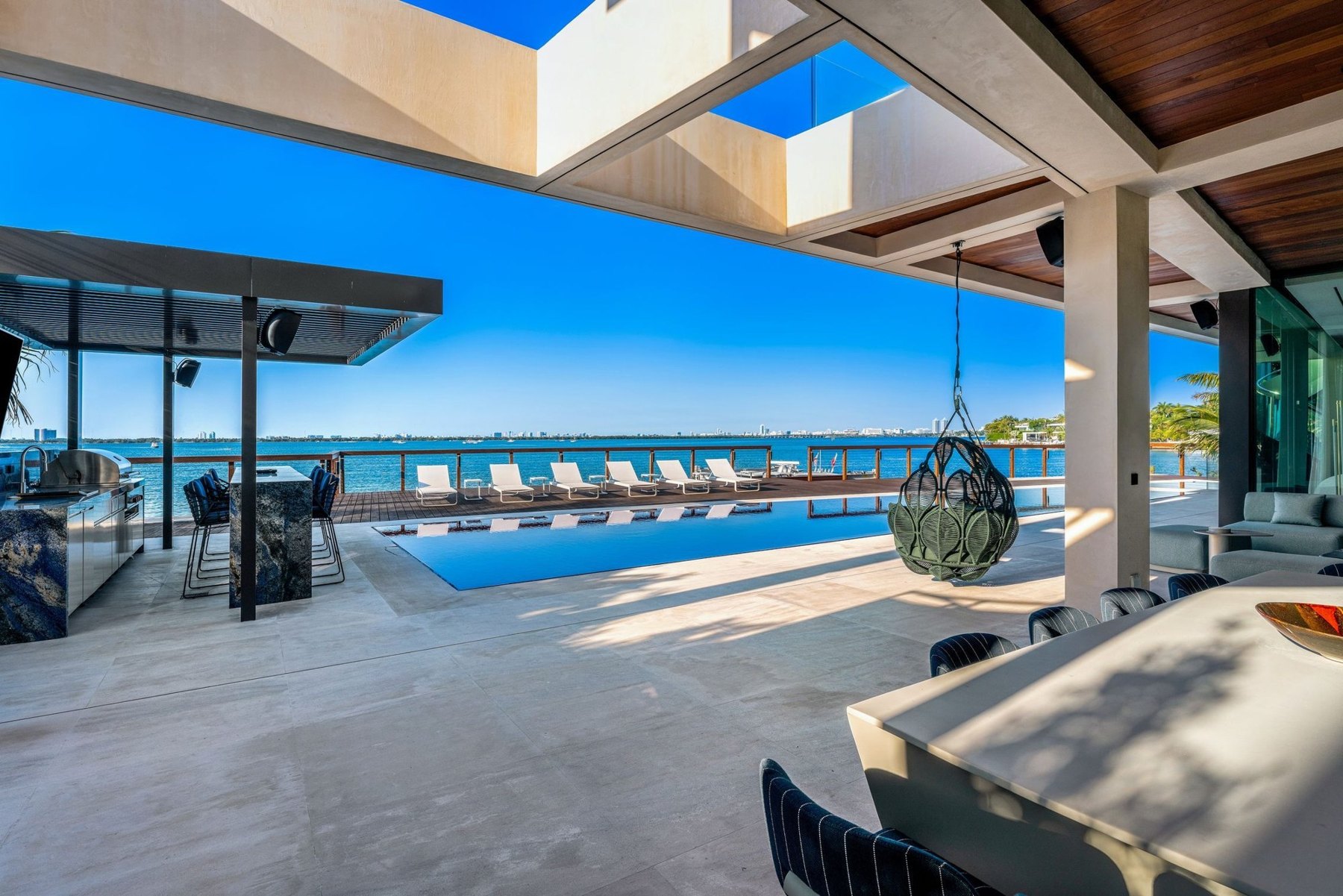
The most important factor in how quickly a home sells is pricing.
Homes priced correctly based on recent comparable sales often attract strong interest early in the listing period. On the other hand, homes priced too high tend to receive fewer showings and stay on the market longer.
When a home sits unsold for too long, buyers may begin to assume something is wrong with it, even if the only issue is the price. This perception can lead to lower offers later on.
Many agents recommend conducting a Comparative Market Analysis (CMA) to determine a realistic listing price based on recent sales of similar homes.
Key takeaway:
Pricing a home correctly from the start often leads to faster sales and stronger offers.
Buyers often make decisions quickly—sometimes within seconds of seeing a property online or pulling up to it.
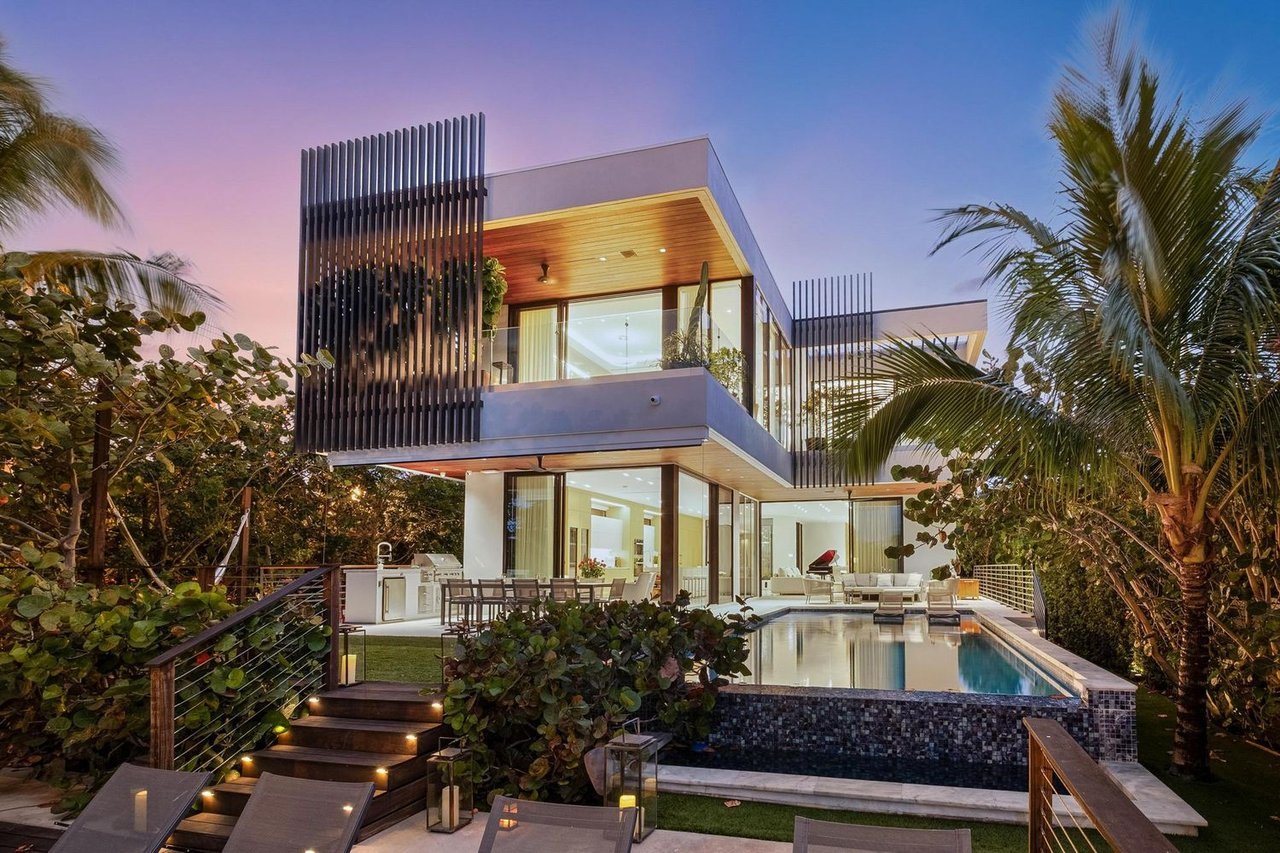
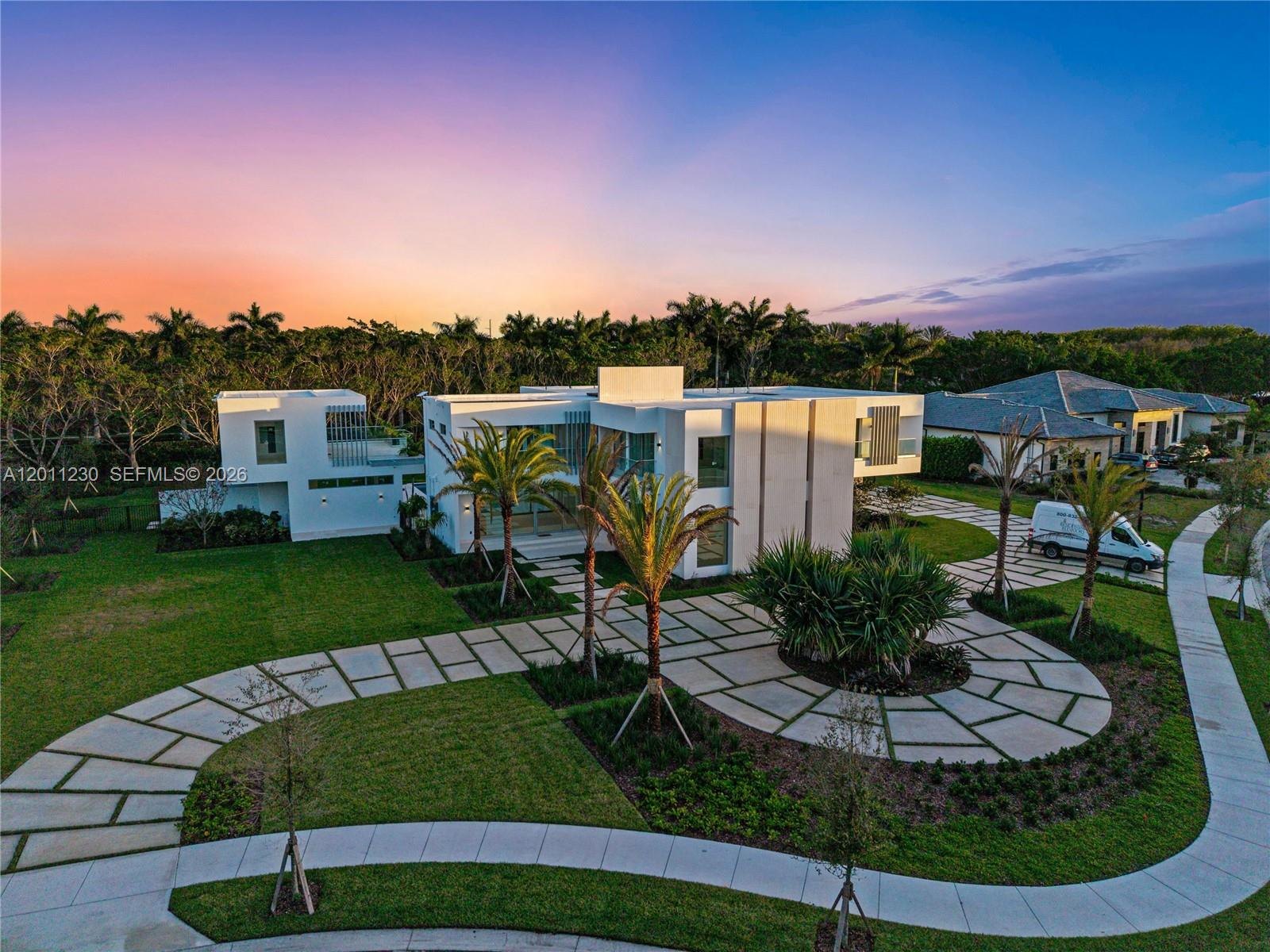
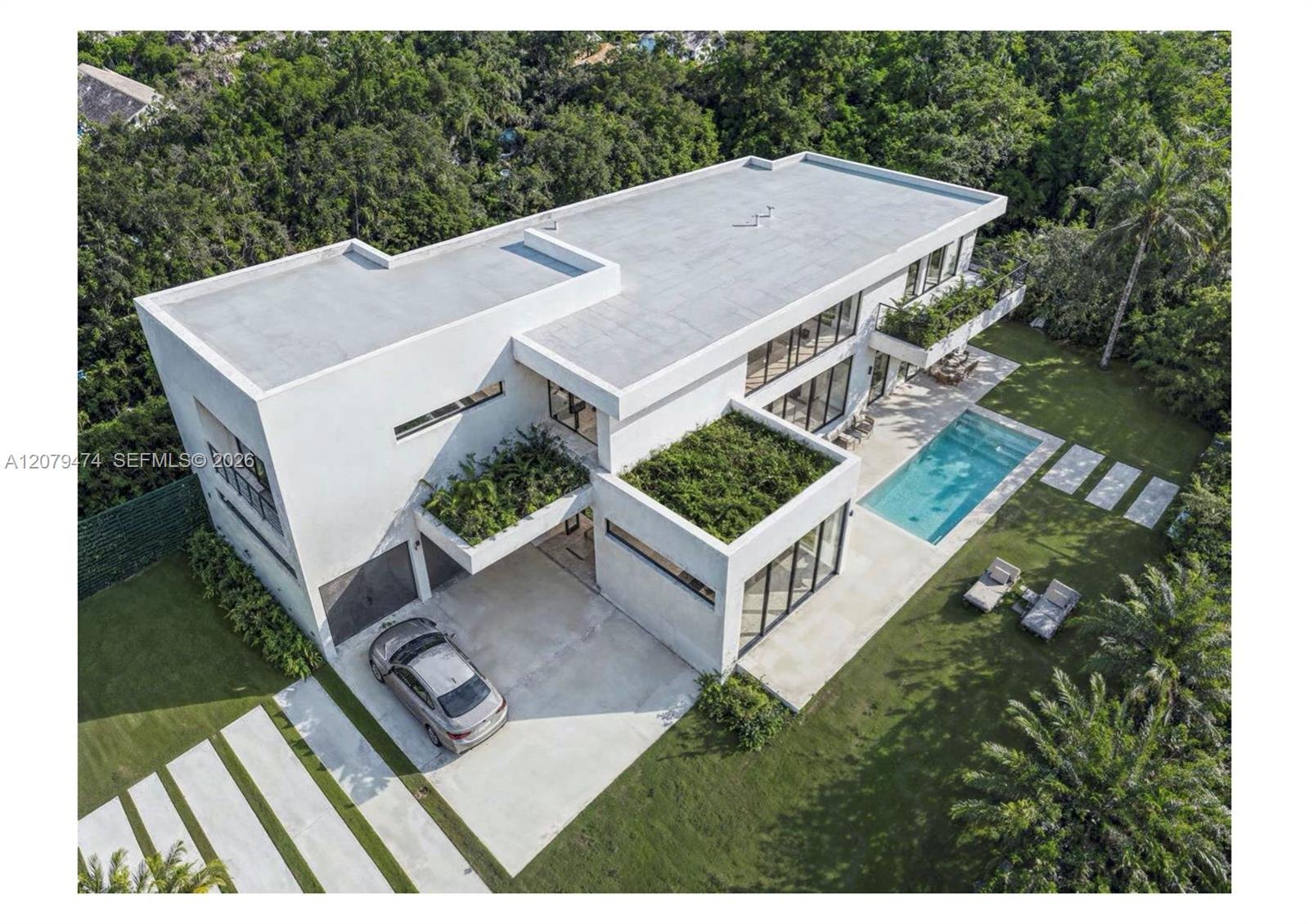
That’s why presentation matters.
Simple improvements such as decluttering, cleaning, and improving curb appeal can significantly impact buyer interest. In fact, staging a home can help buyers visualize themselves living there. According to the National Association of Realtors, 83% of buyers’ agents say staging makes it easier for buyers to imagine the home as their own.
Research also shows that staging can reduce time on the market and may increase offers by 1% to 10%.
Key takeaway:
Homes that are clean, well-presented, and staged often sell faster.
Today’s buyers usually begin their home search online. That means photos, videos, and marketing materials play a huge role in attracting attention.
Studies have found that homes marketed with professional photos and high-quality visuals tend to sell faster and often for higher prices.
Marketing tools like:
can increase exposure and bring more buyers to a listing.
Key takeaway:
Better marketing creates more visibility—and more visibility often leads to faster sales.
The overall housing market also plays a big role in how quickly homes sell.
In a seller’s market, where there are more buyers than available homes, properties may sell quickly and even receive multiple offers.
However, in a buyer’s market, where inventory is higher and demand is lower, homes can stay on the market longer—even if they are priced well.
Factors like mortgage rates, inventory levels, and economic conditions all affect buyer activity.
Key takeaway:
Even a great home may take longer to sell if the market slows down.
Buyers today prefer homes that are move-in ready.
Properties that need significant repairs, updates, or renovations often attract fewer buyers. Many buyers want to avoid additional costs after purchasing a home.
Studies have found that homes marketed as move-in ready tend to sell faster than those needing work.
Common issues that can slow a sale include:
Key takeaway:
The better condition a home is in, the easier it is for buyers to say yes.
Seasonality can also affect how quickly a home sells.
Spring and early summer often bring the highest buyer activity because families prefer moving during school breaks and favorable weather.
Listing during high-demand periods may generate more showings and stronger offers.
Key takeaway:
Timing doesn’t guarantee a fast sale, but listing during peak seasons can increase buyer interest.
Choosing the right real estate agent can make a big difference in how quickly a home sells.
An experienced agent understands the local market and helps sellers make important decisions, such as setting the right price and preparing the home for listing. Mistakes in pricing or marketing can cause a home to sit on the market longer, and a knowledgeable agent helps avoid these issues.
Real estate agents also provide wider exposure for a property. Through the Multiple Listing Service (MLS) and professional networks, listings reach more buyers and agents.
According to the National Association of Realtors, 90% of home sellers work with a real estate agent, highlighting the value many sellers see in professional guidance.
Key takeaway:
A skilled real estate agent helps with pricing, marketing, and exposure—factors that can help a home sell faster.
When a home sells quickly, it’s usually because several factors are working together, such as:
When one or more of these elements are missing, a home may stay on the market longer than expected.
For sellers, the goal isn’t just to list a property—it’s to prepare it, price it correctly, and market it effectively from the start. With the right strategy and support, a home can attract more buyers and sell more efficiently.
If you’re thinking about selling your home, having the right strategy can make a big difference. From pricing and preparation to marketing your property, each step helps attract the right buyers and can lead to a faster sale.
If you’d like guidance or want to learn more about the selling process, feel free to reach out to the M Group team. We’d be happy to help!
Why Some Homes Sell Fast While Others Stay on the Market | M Group Real Estate
Explore Miami Luxury Homes, Waterfront Estates, Condos & Trophy Properties Across All Price Tiers
Experience everyday resort-style living in Miami’s top neighborhoods — luxury homes, condos, and communities that feel like a vacation.
What every buyer should understand about Luxury Living, waterfront homes, and Miami’s thriving real estate market.
A simple guide to investing in Miami luxury real estate, from condos to waterfront homes, in 2026
How Global Demand is Driving Miami Luxury Homes, Condos, and Waterfront Properties in 2026
M Group combines skills, experience, and network in luxury real estate supported by an incredible team of agents from all backgrounds gives them an edge in selling and buying real estate locally and abroad.