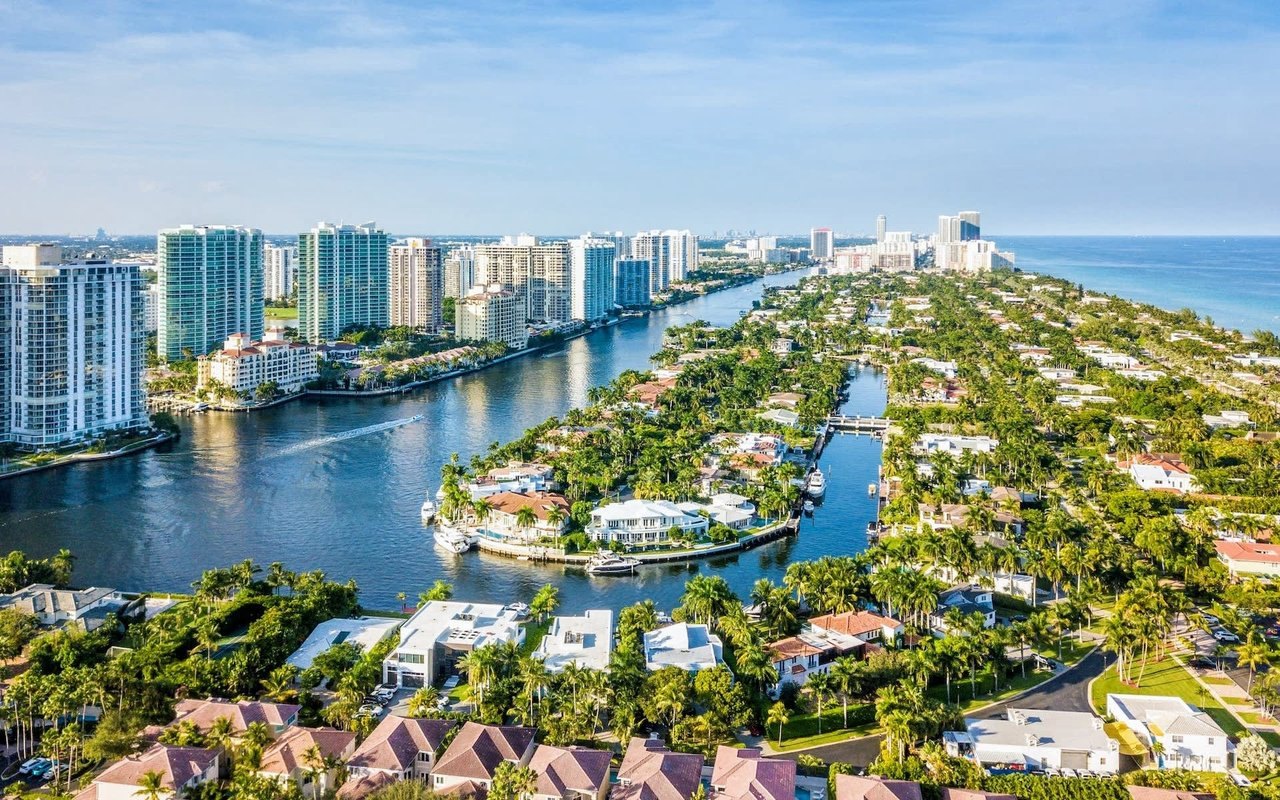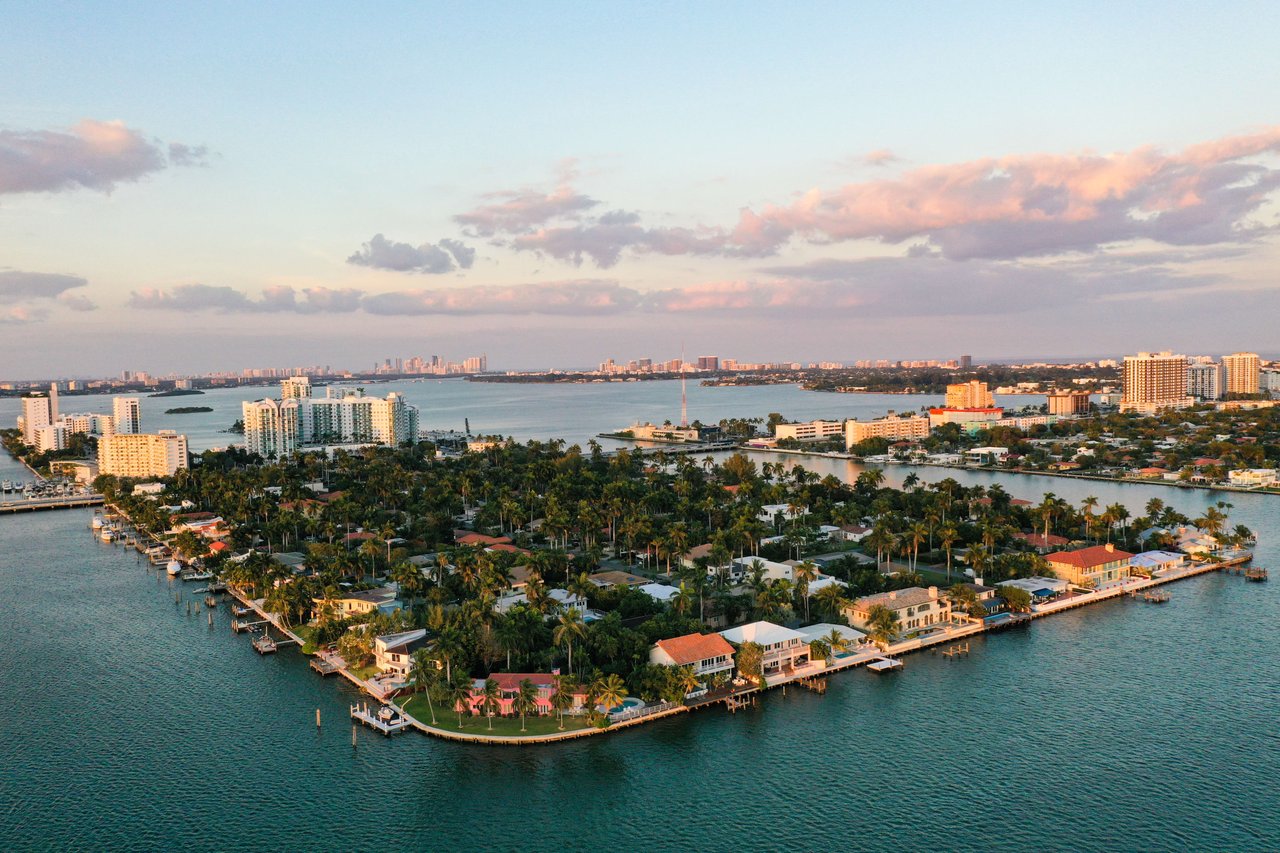
Cross the bridge from Brickell Key to the mainland after 7 p.m. and the neighborhood changes character in about ninety seconds. One side is quiet enough to hear the water against the seawall. The other is loud with valet whistles and the hum of forty-plus floors of glass. Most people who live in Brickell treat this as atmosphere. It is actually a fault line, and this year it showed exactly where the pressure builds.
For about a year, Brickell Key had almost nothing to show for it. Then, within days of each other this spring, two things happened that reset the island's dinner options and exposed a pattern worth understanding if you eat in this neighborhood more than twice a week.
La Mar closed on Brickell Key when the Mandarin Oriental Miami began its renovation in May 2025. For the better part of a year after that, the island's answer to "where should we eat tonight" was some version of "we should probably cross the bridge." Brickell Key has the jogging path, the skyline views, and a residential population that skews international, but it never had the density of independent storefronts that lets a neighborhood shrug off losing one restaurant. When the anchor left, the island went dark for dinner.
This April, the gap closed from two directions at once. First, the old Mandarin Oriental building came down, imploded to clear the site for its planned Residences. Days later, The Mexican opened on the waterfront at 601 Brickell Key Drive.
This is not a modest replacement. The Mexican is a contemporary Mexican concept expanding for the first time outside its Dallas flagship, which earned a Prix Versailles designation from UNESCO as one of the World's Most Beautiful Restaurants. The Miami location spans more than 10,000 square feet and seats over 330 guests across indoor dining rooms, two private spaces, and terraces that step down toward Biscayne Bay. Owner Roberto González Alcalá, who is also president of Intelectiva Restaurant Group, brought in interior architect Paulina Morán, who sourced much of the art and furniture from Monterrey, his hometown.
González Alcalá framed the move in plain terms:
"The energy of Brickell Key, with its waterfront setting and international community, is the perfect home for our vision."
That is not a throwaway line for a restaurant this size. A concept built for 330 covers is a bet that the demand on the Key was real and just had nowhere to land for twelve months.
Beyond the design story, the practical shift for anyone living on the Key is simple: there is now a real reservation to make without crossing water. Dinner service runs Monday through Wednesday and Sunday from 5 to 10 p.m., and Thursday through Saturday from 5 to 11 p.m., with the bar opening daily at 4 p.m. Reservations go through OpenTable.
The menu leans into dishes built for the setting rather than a generic tasting menu. Lobster Elote reworks Mexican street corn with Maine lobster, Mexican crema, and Oaxacan cheese. Roasted Cauliflower comes finished with truffle and habanero ash. Barbacoa de Arrachera is a slow-cooked skirt steak drawn from traditional Northern barbacoa technique, and there is a Miami-exclusive Tuna Tomahawk that ties the menu to the city's coastal supply chain rather than importing a Dallas playbook wholesale. On the drink side, the Mujeres Divinas cocktail runs on hibiscus and damiana, and the reserve margarita list includes Zapata and Pancho Villa, both built on ultra-aged tequilas.
None of this replaces what a walkable strip of six or eight small restaurants would give a neighborhood. It replaces the one thing the island actually lost, which is an anchor big enough to be worth building an evening around.
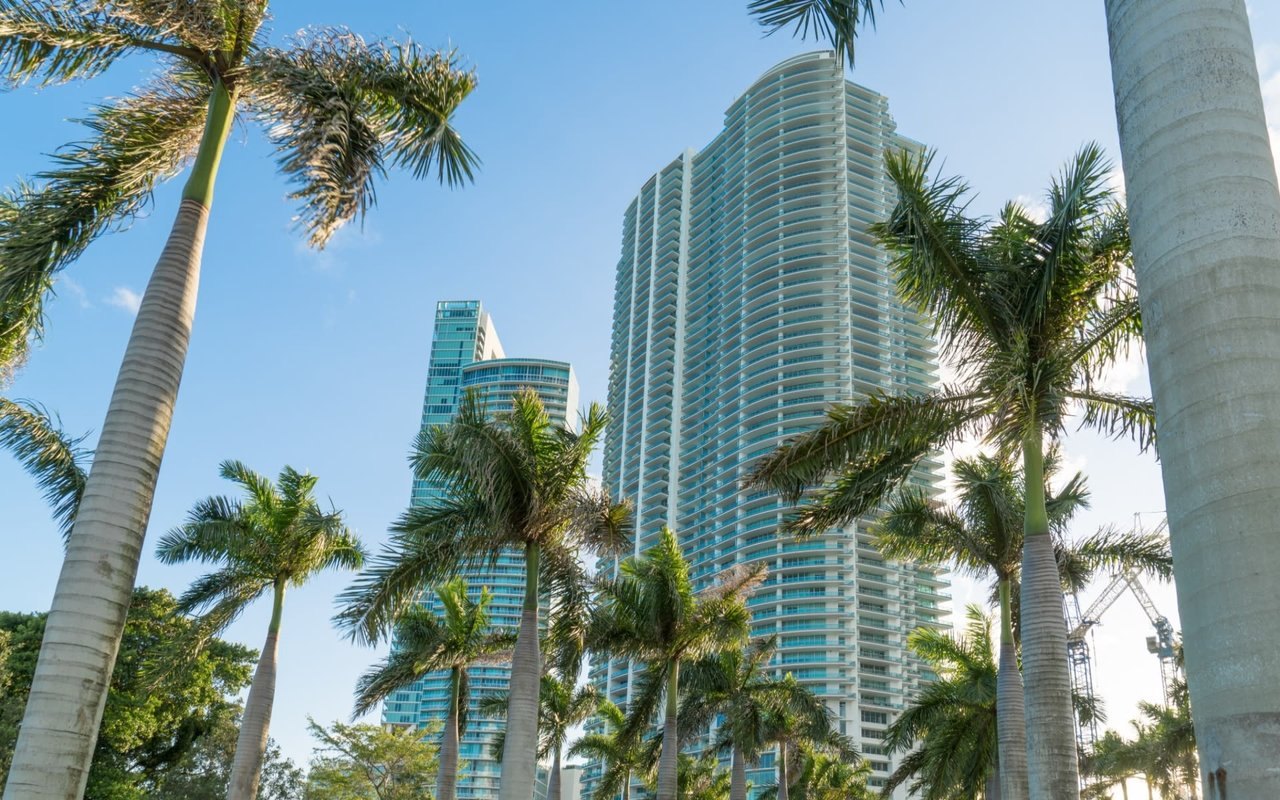
While Brickell Key spent a year solving for one restaurant, the mainland added a different kind of anchor entirely. Seia opened in March atop 830 Brickell, taking over the tower's 54th and 55th floors with a contemporary Italian restaurant on one level and a private members' club, Seia Club, layered above it.
The pedigree here matters. Seia is curated by the Bastion Collection, the international restaurant group behind L'Atelier de Joël Robuchon and Le Jardinier, both Michelin-starred names already established in Miami. Executive chef Alessandro Morrone, trained in Naples and seasoned in kitchens across Italy, New York, and Miami, runs the kitchen day to day, building a menu around seasonal, share-driven Italian cooking. The dining room seats 178 across a 180-degree terrace, with the space designed by Zervudachi, Roberts and Macadam London.
What makes Seia function differently than a street-level restaurant is who is already in the building. 830 Brickell's office tenants include Microsoft, Citadel, and Kirkland & Ellis, which means the restaurant does not need to convince a stranger to walk in off the sidewalk. It has a weekday population riding the elevator past it every day, the kind of built-in traffic that turns a rooftop concept into an after-hours extension of the office tower rather than a standalone destination competing for foot traffic on Brickell Avenue.
Put the Key and the mainland side by side and the difference is not about which neighborhood has better food. It is about how each part of Brickell actually generates the audience that keeps a restaurant open.
Brickell Key runs on a single-anchor model. The island's residential population is real but not dense enough on its own to support a run of small independent storefronts the way a neighborhood commercial strip does. When one big concept leaves, as La Mar did in 2025, there is no bench of smaller places to absorb the gap. The island simply goes quiet until something else moves in at scale, which is exactly what happened with The Mexican's 330-seat build-out this April.
Mainland Brickell runs on captured density. A tower like 830 Brickell doesn't need Seia to pull in outside diners because the office population, plus the after-work crowd from firms already headquartered there, is enough to fill a room fifty-four floors up. The same logic explains why Brickell City Centre's retail deck functions differently than a mall built to be a destination on its own. Its foot traffic comes from the office workers, EAST Miami hotel guests, and residential towers already walking distance from it, not from people driving in specifically to shop.
Here is what that split looks like on the ground right now, for anyone deciding where to actually eat this week:
Knowing which model you are living under changes how you plan a week. On the Key, a good restaurant closing is a real disruption, because there is no backup layer of smaller places to fall back on. On the mainland, a restaurant closing barely registers, because the towers around it keep generating diners regardless of which specific kitchen is filling the space.
Brickell Key's year without a dinner reservation was not bad luck. It was the predictable result of an island that depends on one restaurant doing the work of ten. The Mexican's scale, more than 10,000 square feet and 330 seats, suggests its operators understood that and built for it deliberately rather than testing the market with something smaller. Seia's position atop an office tower with Microsoft, Citadel, and Kirkland & Ellis already inside tells the opposite story, a restaurant that never had to gamble on outside foot traffic in the first place.
Either way, the neighborhood eats better this September than it did last September, and now you know why the two halves of it got there so differently.
If you are watching how a neighborhood like this actually moves, day to day and building to building, that kind of read is exactly what M Group does for a living. Reach out any time you want a local, honest take on what's changing in Brickell or across Miami Beach.
A Simple Guide to Privacy, Walkability, Boating, and Lifestyle in Miami Beach
A Guide to Fisher Island Real Estate, Luxury Living, and Buying a Home in Miami
What luxury homeowners should know before putting their property on the market
A practical guide to financing, FIRPTA, taxes, closing costs, and the buying process for international property buyers.
Explore Miami’s most exclusive neighborhoods, luxury homes, and waterfront communities attracting high-profile buyers from around the world.
M Group combines skills, experience, and network in luxury real estate supported by an incredible team of agents from all backgrounds gives them an edge in selling and buying real estate locally and abroad.