Leave a Message

Thank you for your message. We will be in touch with you shortly.

Morningside’s Historic Homes: Architecture, Lifestyle, Value

Morningside’s Historic Homes: Architecture, Lifestyle, Value

If you are drawn to homes with real character, Morningside stands out for a reason. In a city where many neighborhoods have changed dramatically, this part of Miami has held onto a rare mix of historic architecture, mature landscape, and everyday livability. If you are thinking about buying or selling here, understanding how those pieces work together can help you make a smarter move. Let’s dive in.

Why Morningside Feels Different

Morningside’s historic district generally runs between Biscayne Boulevard and Biscayne Bay from NE 55th Street to NE 60th Street. The City of Miami designated it in 1984, and it was later added to the National Register of Historic Places in 1992. The city describes it as one of Miami’s most intact historic neighborhoods and its best surviving example of a Land Boom-era suburb.

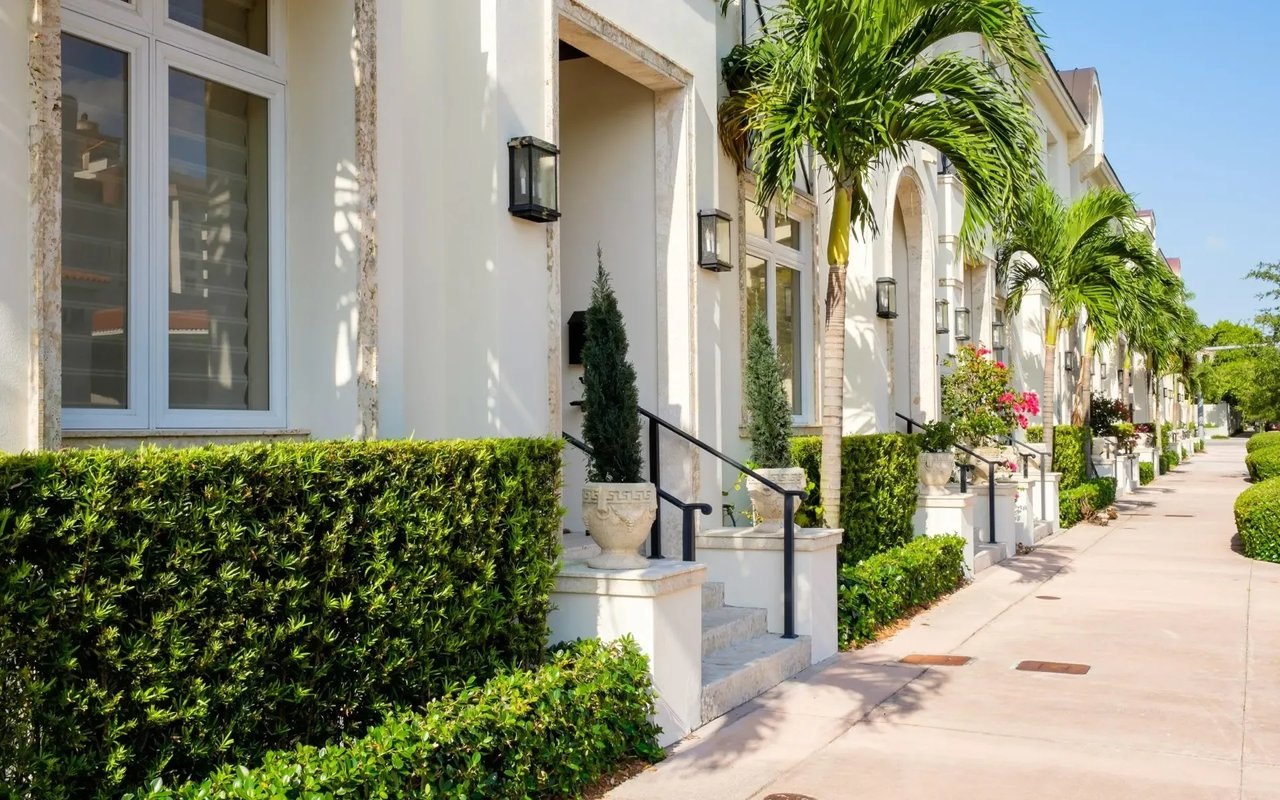
That matters because Morningside is not just a collection of older homes. It is a preserved streetscape where architecture, landscape, and neighborhood scale still feel connected. Wide tree-lined boulevards, mature tropical planting, and low-rise homes create a setting that feels distinct from much of central Miami.

Morningside Architecture at a Glance

Morningside is eclectic, not uniform. Official city materials and the local civic association identify Mediterranean Revival, Art Deco, and vernacular or masonry vernacular as the dominant styles, with Mission and Tudor Revival also present.

That variety gives the neighborhood visual depth. You can walk from one block to another and see different rooflines, window shapes, and facade details, while the area still feels cohesive because the scale and materials remain consistent.

Common Architectural Details

Many homes include features that help define Morningside’s historic character, such as:

  • Stucco walls
  • Arched openings
  • Clay tile roofs
  • Wrought-iron details
  • Keystone and oolitic limestone accents
  • Precast tropical vents
  • Decorative tropical motifs

In South Florida, Mediterranean Revival often includes stucco exteriors, arched openings, clay tile roofs, wrought iron, and courtyard-oriented layouts. Mission-style buildings often feature stucco walls, low-pitched or flat roofs, curvilinear parapets, and restrained ornament. Together, these elements help explain why Morningside feels both classic and distinctly tropical.

Why the Streetscape Matters

The value of Morningside’s homes is not based on age alone. The neighborhood’s character comes from how the homes work together with the landscape and street pattern. The city specifically points to architecture by more than 40 local architects and a landscape design centered on mature tropical trees and plants.

For you as a buyer or seller, that means the setting is part of the product. A beautiful home in Morningside is also part of a larger visual environment that has been preserved over time.

The Lifestyle Behind the Architecture

Morningside’s appeal goes beyond facades and floor plans. The neighborhood combines quiet residential streets, preserved tree canopy, and direct access to the bayfront edge of Miami in a way that feels increasingly rare.

The local civic association maintains resident gates and transponder access at the 50th Street and 58th Street entries. The association also notes that Morningside functions as a civic association rather than a conventional homeowners association. In practical terms, that helps explain why the neighborhood often feels semi-private while remaining within the city.

Morningside Park and Daily Living

A big part of daily life here centers on Morningside Park at 750 NE 55th Terrace. The City of Miami lists amenities including:

  • Boat ramp access
  • Tennis courts
  • Basketball
  • Playground areas
  • Picnic areas
  • Waterfront access
  • Recreation programming

This park-centered setting shapes how the neighborhood lives day to day. It is one thing to admire historic homes, but it is another to have water access, open green space, and recreational amenities woven into your routine.

A Rare Central Miami Setting

For design-conscious buyers, Morningside offers something unusual in central Miami: low-rise historic homes, mature canopy, bay adjacency, and controlled access. That combination gives the area the feel of an older luxury enclave rather than a neighborhood defined by large-scale redevelopment.

If you are comparing Morningside to other high-end Miami options, this is one of the clearest differences. The appeal is as much about how the neighborhood feels as it is about any single property.

What Historic Designation Means for Owners

Historic designation does not mean you cannot make changes. In Morningside, it means visible exterior changes are reviewed for compatibility with the district’s character.

The neighborhood is regulated under the City of Miami’s historic preservation ordinance, Chapter 23. According to city guidance, a Certificate of Appropriateness is required for work that changes the exterior appearance of a designated historic property, including additions, new construction, and demolition.

What Often Requires Review

Exterior work may require review if it affects the historic appearance of the property. This can include:

  • Additions
  • New construction
  • Demolition
  • Exterior painting
  • Tree removal in regulated situations

The city also notes that ordinary maintenance and most interior alterations are generally not reviewed. Some minor work, such as repainting or window replacement, may be handled administratively if it meets the applicable standards.

What Buyers Should Know Before Renovating

Morningside’s district guidelines favor retaining original roof forms and roofing materials. They also discourage visible roof decks and solar panels, and they treat windows as features to repair or replace in kind rather than redesign freely.

The same guidance says new work should be compatible in size, scale, color, material, and character. It should fit the historic setting without creating a false sense of history.

Site planning matters too. The guidelines discourage front fences, walls, and hedges that block the public view of the facade, while allowing more flexibility along side and rear property lines.

The First Smart Step

If you are considering a purchase or preparing a listing, one practical first step is to confirm the property’s status by address in the City of Miami’s GIS historic-layers tool. The city notes that review focuses most heavily on contributing homes, but character-defining features matter across the district.

For buyers, that helps set realistic expectations before planning changes. For sellers, it helps position the home correctly and answer questions early in the process.

How Morningside Holds Its Value

Morningside operates in a luxury segment well above the citywide norm. Redfin reported a March 2026 median sale price of $1,825,000, with homes taking a median 99 days to sell. Realtor.com reported a March 2026 median listing price of $2,050,000 and a median rent of $6,100.

By comparison, Zillow’s Miami-wide typical home value was $572,304 as of December 31, 2025. These figures are not identical measures, so they are best read directionally. Even so, they clearly place Morningside in a higher-priced tier of the Miami market.

Why Buyers Pay Attention Here

Morningside’s value story is best understood through three connected ideas:

  • Architectural rarity
  • Lifestyle amenity
  • Regulatory protection

The architecture creates distinction. The park, bay access, and mature canopy support day-to-day livability. Preservation rules help protect the coherence of the streetscape over time.

That does not mean value moves in a straight line. Research on historic districts suggests the impact of designation can vary by market and level of restriction. In Morningside, though, scarcity, design character, bay adjacency, and preservation controls help explain why the neighborhood remains closely watched by luxury buyers.

Financial Considerations Beyond Price

Some historically designated properties in Miami-Dade may qualify for a 25 percent ad valorem tax exemption, but the county says the criteria require commercial or nonprofit use and public access. That means many single-family buyers should not assume this incentive will apply.

The City of Miami also has a Historic Preservation Grant Program that can fund approved exterior repairs on eligible historic properties. For most buyers and sellers in Morningside, however, the more immediate financial issue is planning visible upgrades around preservation review and compatibility standards.

What This Means if You Are Buying or Selling

If you are buying in Morningside, you are not just buying square footage. You are buying into a preserved neighborhood identity shaped by architecture, landscape, and a specific set of review standards.

If you are selling, those same qualities can strengthen positioning when presented well. Buyers in this segment often respond to rarity, setting, and authenticity, especially when a home’s historic features and renovation path are clearly understood.

In a market where many luxury options compete on finishes alone, Morningside offers something harder to replicate: a cohesive historic environment with true architectural presence and a waterfront-adjacent lifestyle.

If you are considering a move in Morningside or evaluating the value of a historic property in Miami, Olivier Brion can help you navigate the neighborhood with a discreet, informed, and highly tailored approach.

FAQs

What makes Morningside historic in Miami?

  • Morningside is a locally designated historic district in the City of Miami, recognized in 1984 and later listed on the National Register of Historic Places in 1992 for its preserved architecture, streetscape, and landscape character.

What architectural styles are common in Morningside homes?

  • Homes in Morningside commonly reflect Mediterranean Revival, Art Deco, and vernacular or masonry vernacular styles, with Mission and Tudor Revival also present.

What renovations need approval for a Morningside historic home?

  • In Morningside, exterior changes that affect the appearance of a designated historic property, such as additions, new construction, demolition, and certain exterior alterations, generally require a Certificate of Appropriateness from the City of Miami.

What is the lifestyle like in Morningside Miami?

  • Morningside offers quiet residential streets, mature tropical canopy, semi-private neighborhood access through civic association gates, and bayfront amenities at Morningside Park, including a boat ramp, courts, picnic areas, and waterfront access.

How do Morningside home values compare with Miami overall?

  • Morningside home prices sit well above Miami-wide norms, with reported March 2026 median sale and listing prices in the luxury range compared with a much lower Miami-wide typical home value.

Should buyers expect tax incentives for a Morningside historic property?

  • Not necessarily, because Miami-Dade’s 25 percent ad valorem tax exemption for historic properties has eligibility requirements that include commercial or nonprofit use and public access, which many single-family homes do not meet.

Work With Us

M Group combines skills, experience, and network in luxury real estate supported by an incredible team of agents from all backgrounds gives them an edge in selling and buying real estate locally and abroad.