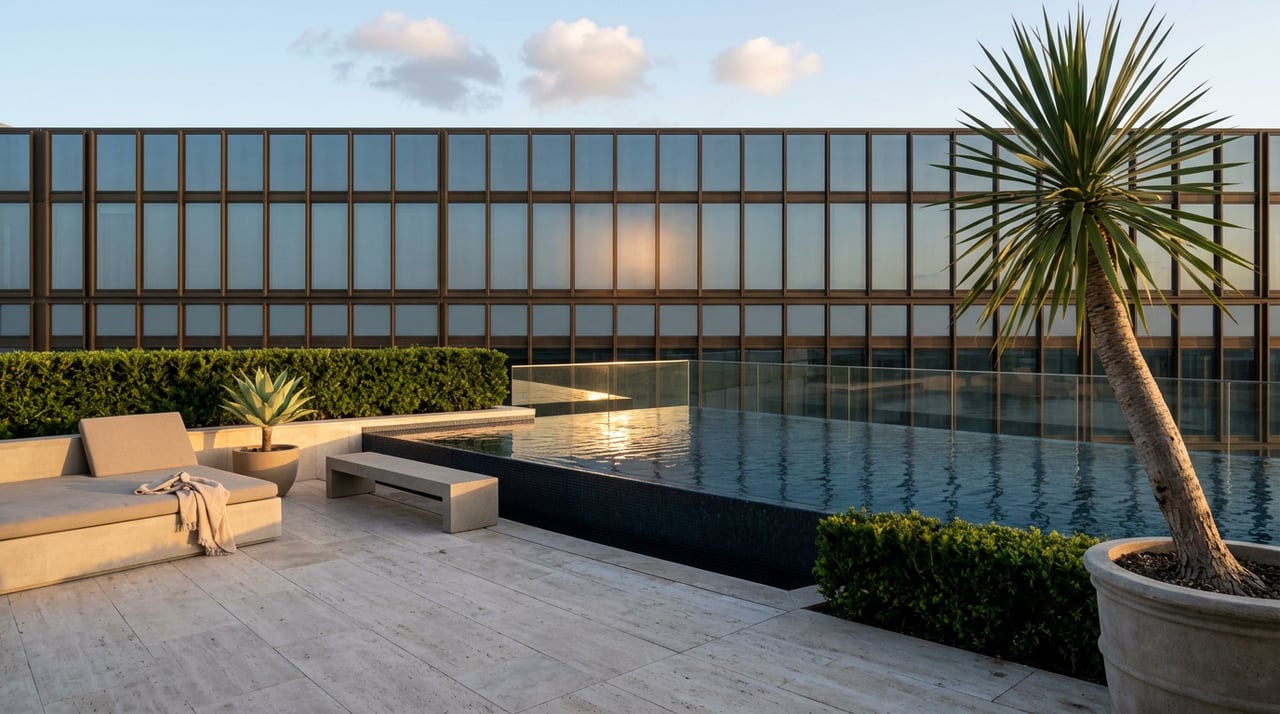
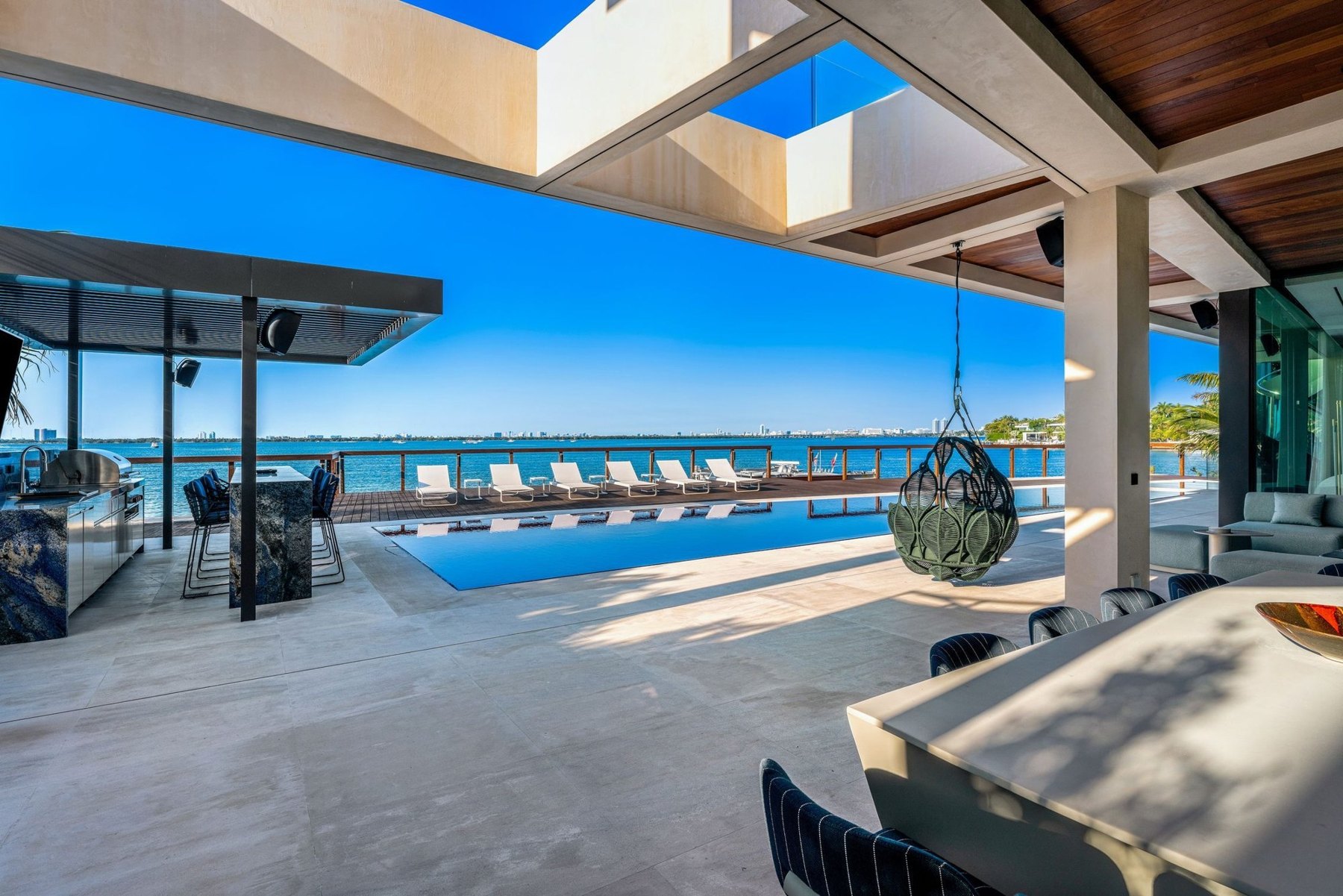
If you want a quieter beach address in Miami-Dade, Surfside and Bal Harbour will likely rise to the top of your list. Both are small, coastal, and highly desirable, but they deliver a very different kind of calm. If you are weighing a more residential beach-town feel against a polished resort-village setting, this guide will help you compare the two with more clarity. Let’s dive in.
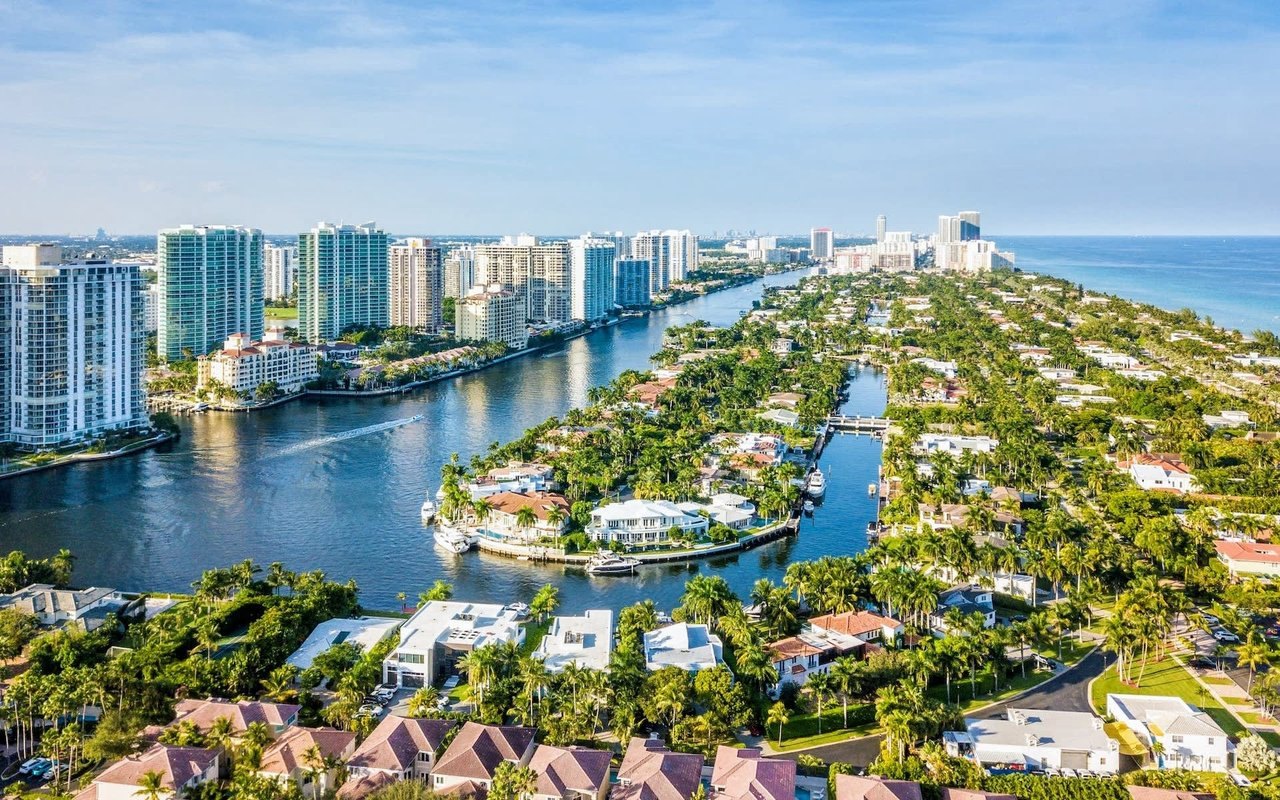
Surfside is a compact oceanfront town between Miami Beach and Bal Harbour. The town describes itself as a walkable beachside destination with a mile of public beach, parks, tennis, playgrounds, and a community center with an aquatics facility. It also highlights a pedestrian-friendly business district with shops and restaurants, which gives daily life a more local rhythm.
Bal Harbour is also small, but it presents differently. The village emphasizes tranquility, luxury hotels and residences, Bal Harbour Shops, and a virtually private beach experience. In practical terms, that creates a quieter atmosphere with a more curated, resort-driven identity.
The key question is not which one is better. It is which version of quiet fits the way you want to live.
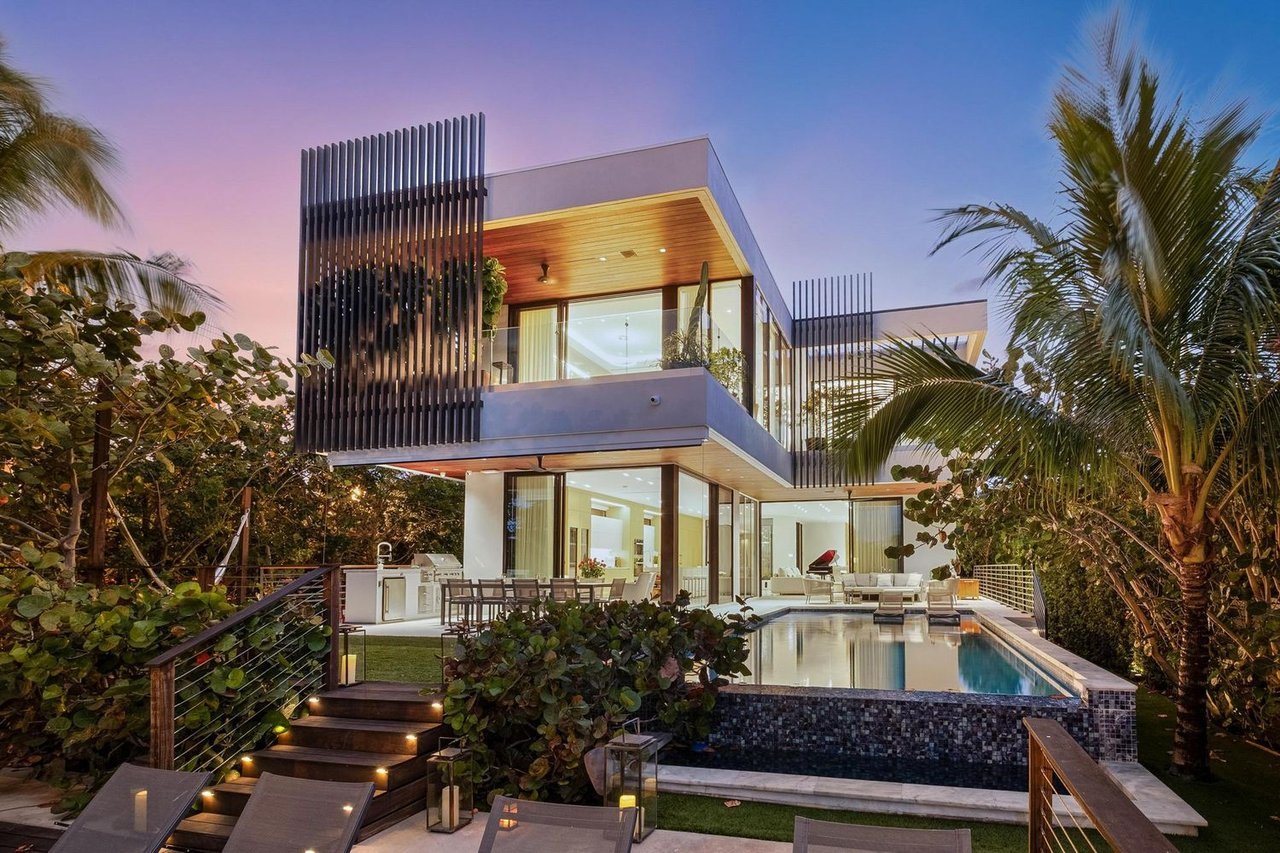
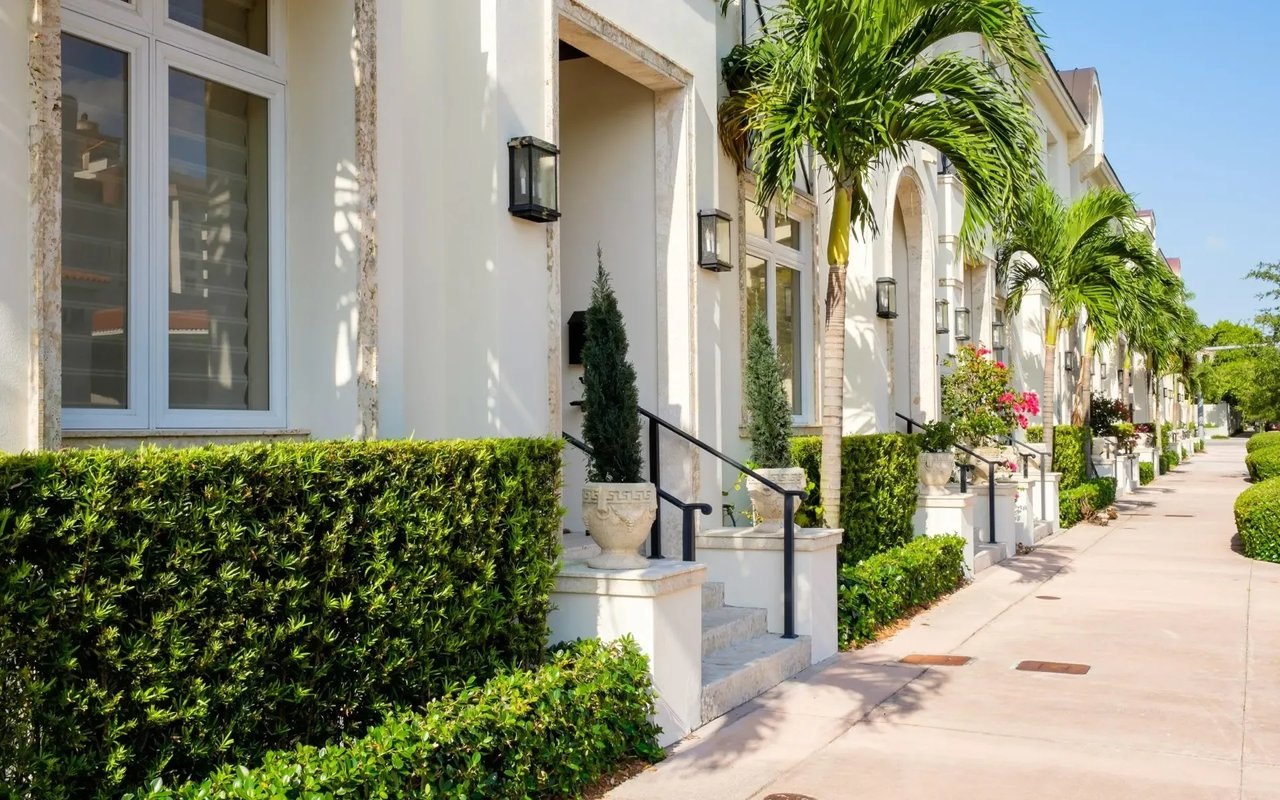
Surfside tends to appeal to buyers who want luxury without feeling surrounded by a hotel environment. Its public beach, neighborhood amenities, and walkable retail corridor make it feel more lived-in day to day. If you want to step outside and feel like you are in a small coastal town rather than a destination district, Surfside usually delivers that more clearly.
The town’s physical scale supports that feeling. Surfside spans from 87th Terrace to 96th Street and has just 0.56 square miles of land, with a July 1, 2025 Census estimate of 5,591 residents. That compact footprint, paired with civic amenities and a neighborhood business district, helps create a grounded residential character.
Surfside’s zoning profile also matters. Much of the town remains relatively low-rise, with 30-foot height limits west of Harding Avenue, 40 feet in certain districts, and 120 feet east of Collins Avenue. For you as a buyer, that can translate into a streetscape and overall environment that often feels lower in scale than nearby luxury tower markets.
Surfside is well suited to buyers who value simple convenience. You have beach access, parks, recreation, and everyday dining and shopping within a walkable setting. That does not mean it feels casual in a lower-end sense. It means the luxury experience is blended into a real town fabric.
This is often what draws buyers who want privacy and calm without sacrificing neighborhood usability. If your ideal beach day includes a walkable routine and a more residential pace, Surfside is usually the stronger match.
Bal Harbour offers a different type of calm. It is quieter in a more refined, highly managed, and hospitality-centered way. The village highlights curated amenities, luxury residences, hotels, and destination retail, all of which shape the experience of living there.
If Surfside feels like a local beach town, Bal Harbour feels like a luxury resort village where residential living is closely connected to premium services. That atmosphere can be deeply appealing if you want convenience wrapped in a more formal luxury environment.
Bal Harbour is also associated with one of the area’s most recognized luxury retail destinations. The village emphasizes Bal Harbour Shops as a core part of its identity, alongside destination dining and a tranquil beachfront setting. For some buyers, that walkable proximity to established luxury retail is a major advantage.
Bal Harbour often works best for buyers who prioritize service, brand-name surroundings, and a more hotel-adjacent lifestyle. The overall setting is compact and quiet, but the energy is shaped more by luxury shopping, residences, and hospitality than by neighborhood civic amenities.
That distinction is subtle, but important. If you want your home environment to feel elevated, polished, and closely tied to resort services, Bal Harbour may be the better fit.
For most buyers, Surfside reads as the more residential kind of quiet. The town’s walkable layout, public amenities, and lower-density feel support a village atmosphere that can feel less commercial in daily life. It is quiet in a way that feels local.
Bal Harbour is also quiet, but the mood is different. Its calm is more curated and luxury-driven, shaped by hotels, towers, and destination retail. It can feel exceptionally serene, but usually with more of a resort backdrop.
So if your definition of quiet means residential, walkable, and neighborhood-oriented, Surfside may stand out. If your definition of quiet means private, polished, and service-rich, Bal Harbour may be the stronger choice.
One of the biggest differences between these two markets is building profile. Surfside has notable luxury properties, but its high-end inventory often reads as more boutique in scale. Examples from the market include Four Seasons Private Residences at The Surf Club with 149 private residences, Fendi Château Residences with 58 flow-through residences across 12 stories, and The Delmore, which is being marketed as 37 residences.
That matters because smaller-scale luxury buildings can create a more private residential feel. Even at the top end of the market, Surfside often presents luxury in a less tower-dominant way.
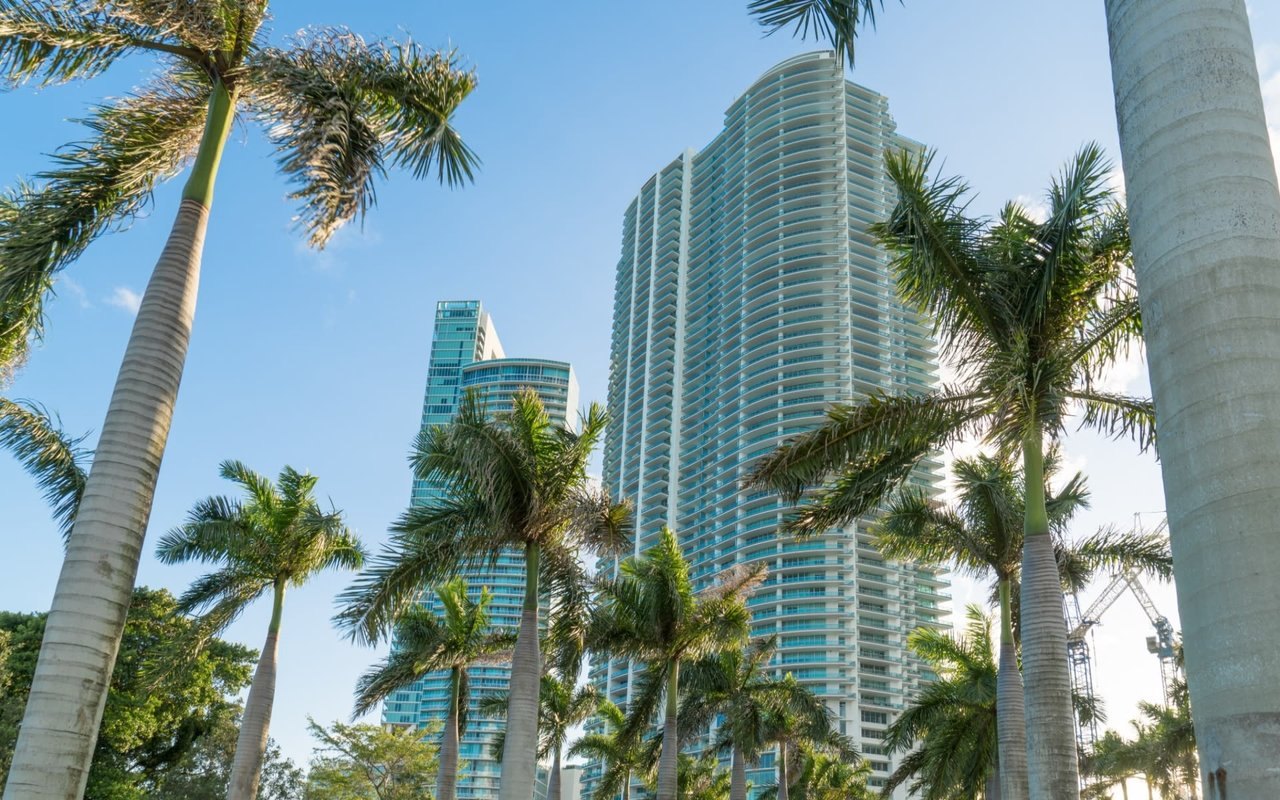
Bal Harbour, by contrast, is more tower- and hotel-oriented. The St. Regis Bal Harbour fact sheet describes three 27-story towers with 213 guest rooms and suites, and the village also includes boutique hotel options. This creates a more amenity-dense residential environment with a stronger hospitality influence.
If you prefer fewer residences, a more discreet feel, and luxury that does not rely on a resort framework, Surfside may align more naturally with your goals. If you enjoy the idea of a full-service environment with established luxury branding and a tower lifestyle, Bal Harbour may be more compelling.
Neither approach is inherently better. It comes down to whether you want your beachfront home to feel more like a private residence first, or a branded luxury destination with residential benefits.
Both Surfside and Bal Harbour are compact and walkable, but the walkability serves different lifestyles. In Surfside, the town emphasizes a pedestrian-friendly business district, public beach access, and community amenities. The result is a walkable pattern built around everyday use.
In Bal Harbour, walkability is more connected to luxury shops, hotels, restaurants, and beachfront living. It is convenient, but in a more destination-oriented way. That means your day-to-day experience may feel more curated and less neighborhood-like.
For many buyers, this is one of the clearest decision points. If you want practical convenience in a true town setting, Surfside has an edge. If you want polished convenience tied to upscale retail and hospitality, Bal Harbour has a distinct advantage.
It is tempting to compare Surfside and Bal Harbour by one price-per-square-foot number, but that approach can be misleading. These are very small luxury markets, and a handful of high-profile sales can swing quarterly averages sharply.
In Elliman’s Q4 2025 Miami Beach and Barrier Islands report, Bal Harbour condos averaged $1,350 per square foot on a $3.03 million average sales price, while Surfside condos averaged $1,181 per square foot on a $1.73 million average sales price. In that same quarter, Bal Harbour condos averaged 133 days on market.
But in Q1 2025, the relationship flipped on a price-per-square-foot basis. Surfside condos averaged $2,732 per square foot, compared with $1,195 per square foot in Bal Harbour. Days on market were also similar, with Surfside at 139 days and Bal Harbour at 141 days.
The lesson is simple: value here should be judged building by building, not town by town. Inventory mix, views, condition, services, and one-off trophy transactions can all reshape the numbers quickly.
Bal Harbour generally carries the stronger luxury brand image and often the higher-ticket reputation. Still, if you are evaluating where your money goes further, the smartest move is to compare specific residences, amenities, and long-term fit rather than relying on neighborhood averages alone.
If you are choosing between the two, start with how you want your home base to feel when you are not entertaining, shopping, or going out. The quietest address is not always the one with the most luxury branding. It is the one that best matches your preferred pace.
Surfside may be the better choice if you want:
Bal Harbour may be the better choice if you want:
For many buyers, the final answer comes down to nuance. The best fit often reveals itself once you compare individual buildings, service levels, and how each block feels in person.
If you are considering Surfside or Bal Harbour and want a more discreet, building-specific view of the market, Olivier Brion can help you narrow the choice with local insight tailored to your priorities.
Why the right pricing can attract more buyers, sell faster, and maximize your home’s value in today’s Miami luxury market
A simple guide for homebuyers on pricing, competition, condos, and hidden costs in Miami’s 2026 spring real estate market
A Simple Guide for Finding True Value in Miami’s Luxury Properties
A practical guide for homebuyers on the hidden details that matter most during property tours—so you can make smarter, more confident real estate decisions.
Experience the advantage of working with M Group’s expert team—guiding you through every step with strategy, precision, and confidence.
M Group combines skills, experience, and network in luxury real estate supported by an incredible team of agents from all backgrounds gives them an edge in selling and buying real estate locally and abroad.