Leave a Message

Thank you for your message. We will be in touch with you shortly.

Why Some Miami Beach Condos Just Got Harder to Finance, Not Just to Buy

Why Some Miami Beach Condos Just Got Harder to Finance, Not Just to Buy

A buyer under contract on a 1980s oceanfront tower near Collins Avenue clears inspection, clears title, and is three weeks from closing when the lender's underwriter sends back a single question about the association's reserve funding method. The building has a current Structural Integrity Reserve Study on file. It passed its Milestone Inspection with no Phase 2 findings. By every measure Florida law asks for, the association is compliant. The loan still gets flagged, because the board funds its reserves using a method the state permits and Fannie Mae, as of this year, does not.

That gap is the story worth understanding this year. Miami Beach's post-Surfside reforms were built to answer one question: is this building structurally sound. They were never built to answer a second question that has quietly become just as important to a transaction: will a conventional lender agree to finance a unit inside it.

The Two Tests a Miami Beach Condo Now Has to Pass

Since 2022, Florida law has required condominium and cooperative buildings three stories or taller to complete a Milestone Inspection at 25 years for coastal buildings and 30 years inland, and to fund a Structural Integrity Reserve Study covering the roof, load-bearing walls, waterproofing, plumbing, electrical and other structural components. As of January 1, 2026, associations can no longer vote to waive or underfund those reserves. That much is now settled and widely reported.

What gets less attention is that Fannie Mae runs a separate test on top of the state's. Florida law still permits a method called Baseline Funding, in which an association keeps just enough in the bank to prevent the reserve balance from going negative rather than funding to the study's full recommended target. Boards have used it to hold down monthly dues while staying entirely within the letter of state law. Starting August 3, 2026, Fannie Mae stopped accepting Baseline Funding as adequate reserve documentation for conventional loans. A building can be legal in Tallahassee and unfinanceable in underwriting on the same day.

What Baseline Funding Actually Buys a Board

The appeal is straightforward. A board choosing full funding has to raise monthly assessments to match the reserve study's recommended contribution, sometimes by hundreds of dollars a unit. A board choosing baseline funding can tell owners their dues are staying roughly where they were, because the math only requires the account never to dip below zero, not to reach the target balance the engineer recommended. For a board facing an annual budget vote, that is the popular answer. It is also, as of this year, a decision that follows the building into every resale.

Lenders have tightened well beyond this one rule. A conventional purchase in a Florida condo now typically requires what Fannie Mae calls a Full Review, meaning the lender collects the association's budget, financial statements, reserve study, delinquency data and insurance documents before clearing the loan, regardless of the buyer's credit or down payment. Buildings with significant deferred maintenance or insufficient reserves can land on a non-warrantable list, which removes conventional financing as an option entirely and pushes buyers toward a smaller pool of portfolio or cash lenders.

Why August 2026 Changed the Math

Before this year, a buyer's agent could reasonably tell a client that a current Milestone Inspection and a recent reserve study were the finish line. That advice is now half right. The state's requirements protect against structural risk. They say nothing about whether the association funds those requirements in a way a conventional lender will accept.

The buildings most exposed are the ones built roughly between 1975 and 1995, the same era South Florida buyers' agents point to when discussing special assessments in the $30,000 to $75,000 per unit range, sometimes exceeding $100,000. Industry estimates commonly cited by South Florida HOA attorneys put pre-reform reserve funding at 40 to 60 percent of the level now required, which is the gap boards are closing through either full funding or baseline funding. An association that has been raising dues gradually since 2022 to reach full funding sits in a different position than one that adopted baseline funding to avoid raising them at all, even though both may show a clean Milestone Inspection.

Collins Avenue Is Not One Market

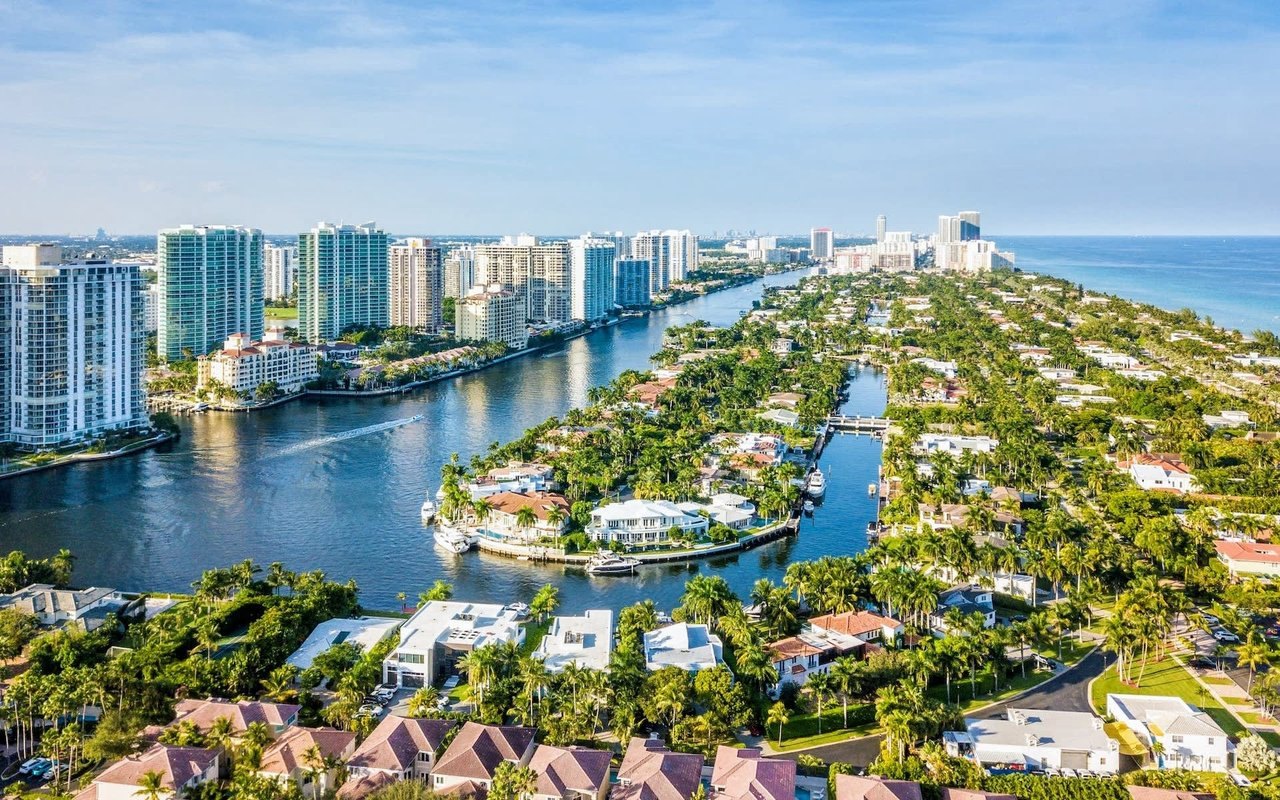
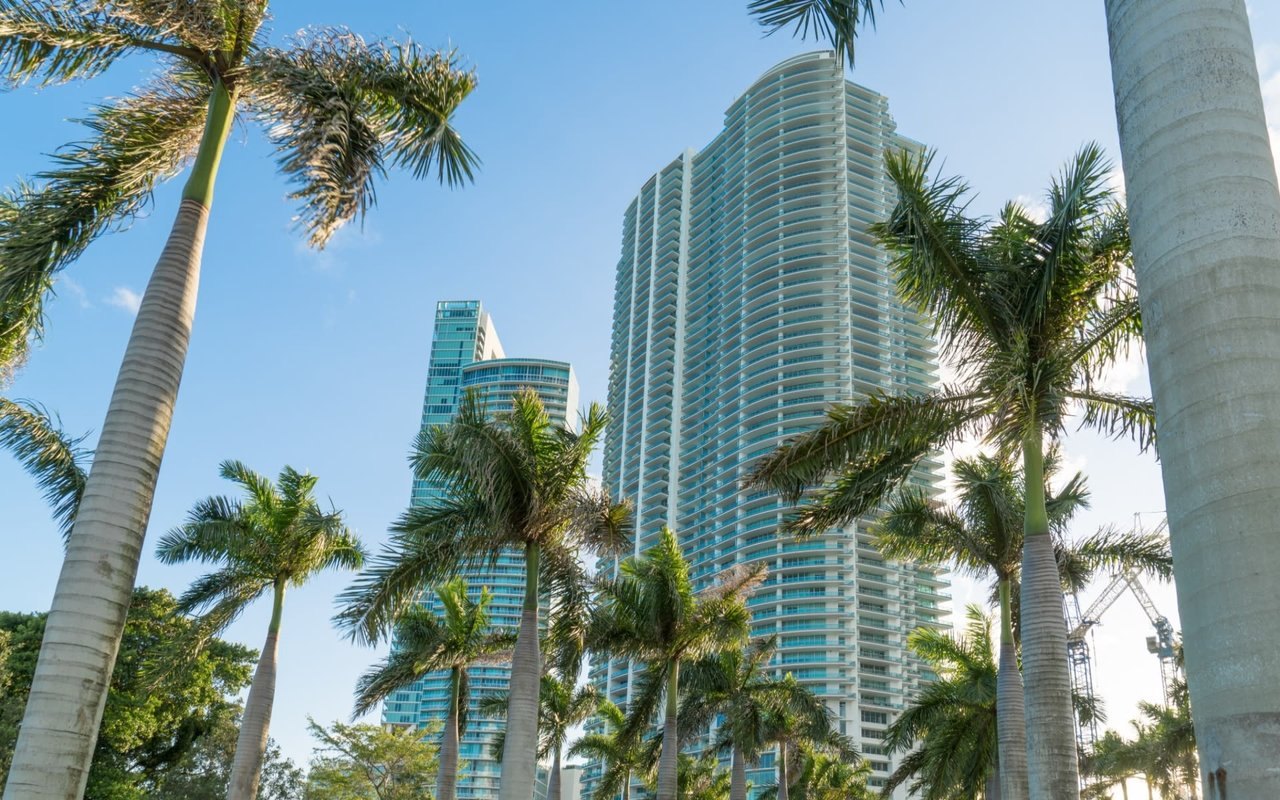
This matters more in Miami Beach than almost anywhere else in Miami-Dade, because the building stock spans nearly sixty years of construction within a few miles of coastline. Faena House at 3315 Collins Avenue and Eighty Seven Park at the northern end of the barrier island are recent-cycle buildings, with reserve funding starting from a low base rather than catching up on decades of deferred maintenance. Mosaic at 3801 Collins, delivered in the mid-2000s, sits in between. Bath Club at 5959 Collins, L'Atelier at 6901 Collins, and Carillon at 6801 Collins each carry a different construction era and a different reserve history, and none of that is visible from a listing photo or a price point.

A landmark address does not guarantee full funding. A more modest mid-rise does not guarantee risk either. The only way to know which side of the August 2026 line a specific Miami Beach building sits on is to ask the association directly, in writing, which funding method it uses.

The Question That Belongs in Your First Email, Not Your Contract

Buyers who wait until after signing a contract to request association documents are negotiating from a weaker position, because by then they are working against an inspection clock instead of a decision. The more useful order is to request the following before writing an offer:

  • The current reserve study, including which funding method (full or baseline) the association uses for each covered component
  • The Milestone Inspection report, including Phase 2 findings if a Phase 1 inspection triggered one
  • A written history of special assessments over the past several years, plus anything pending or anticipated
  • The most recent building recertification letter, available through Miami Beach's Building Recertification office, and its next scheduled due date
  • Two years of budgets and actual financials, compared against the reserve study's funding schedule

If an association cannot produce this within a reasonable window, that delay is itself useful information about how the building is run.

What This Means If You're Selling

The same gap that slows down buyers changes the math for sellers. A unit in a building funding reserves at the full recommended level can be marketed to the widest possible buyer pool, including buyers using conventional financing. A unit in a building using baseline funding is, as of this year, effectively competing for a narrower pool of cash buyers and portfolio-loan buyers, and pricing should reflect that reality rather than ignore it. For owners currently facing a special assessment, Miami-Dade County's Condominium Special Assessment Loan Program, relaunched with a fully online application, offers qualifying owners loans to help cover the cost, which can also factor into how a pending assessment gets negotiated at closing.

A Few Direct Questions

Does the Fannie Mae funding-method rule apply to cooperatives, not just condominiums? The state's Milestone Inspection and reserve study requirements apply to condominium and cooperative buildings alike. Fannie Mae's baseline funding restriction is specific to condominium project eligibility for conventional loans, so financed cooperative purchases follow a different underwriting path.

Am I exempt from any of this if I'm paying cash? The structural requirements still apply to the building either way, since they are matters of state law tied to the association rather than the buyer's financing. What changes is that a cash buyer is not blocked by a lender's funding-method test, though a future resale to a financed buyer could still run into it.

Is baseline funding illegal? No. It remains a legal reserve funding method under Florida law for many components. The issue is that it is no longer acceptable under Fannie Mae's conventional loan guidelines as of August 2026, which is a lending standard, not a violation of state law.

If you are evaluating a specific Miami Beach building, whether as a buyer trying to understand what you're actually underwriting or an owner deciding how a pending assessment should shape an asking price, that document review is exactly where M Group starts before a client makes an offer or signs a listing agreement. Request a Confidential Valuation and we will walk the building's reserve position with you before you commit to anything.

Work With Us

M Group combines skills, experience, and network in luxury real estate supported by an incredible team of agents from all backgrounds gives them an edge in selling and buying real estate locally and abroad.